Oct 5, 2026
Tungsten Prices and Carbide Blade Costs: A Buyer's Guide
Tungsten prices surged in 2025-2026, pushing carbide blade costs up. Learn what is behind the move and how buyers can plan around it.
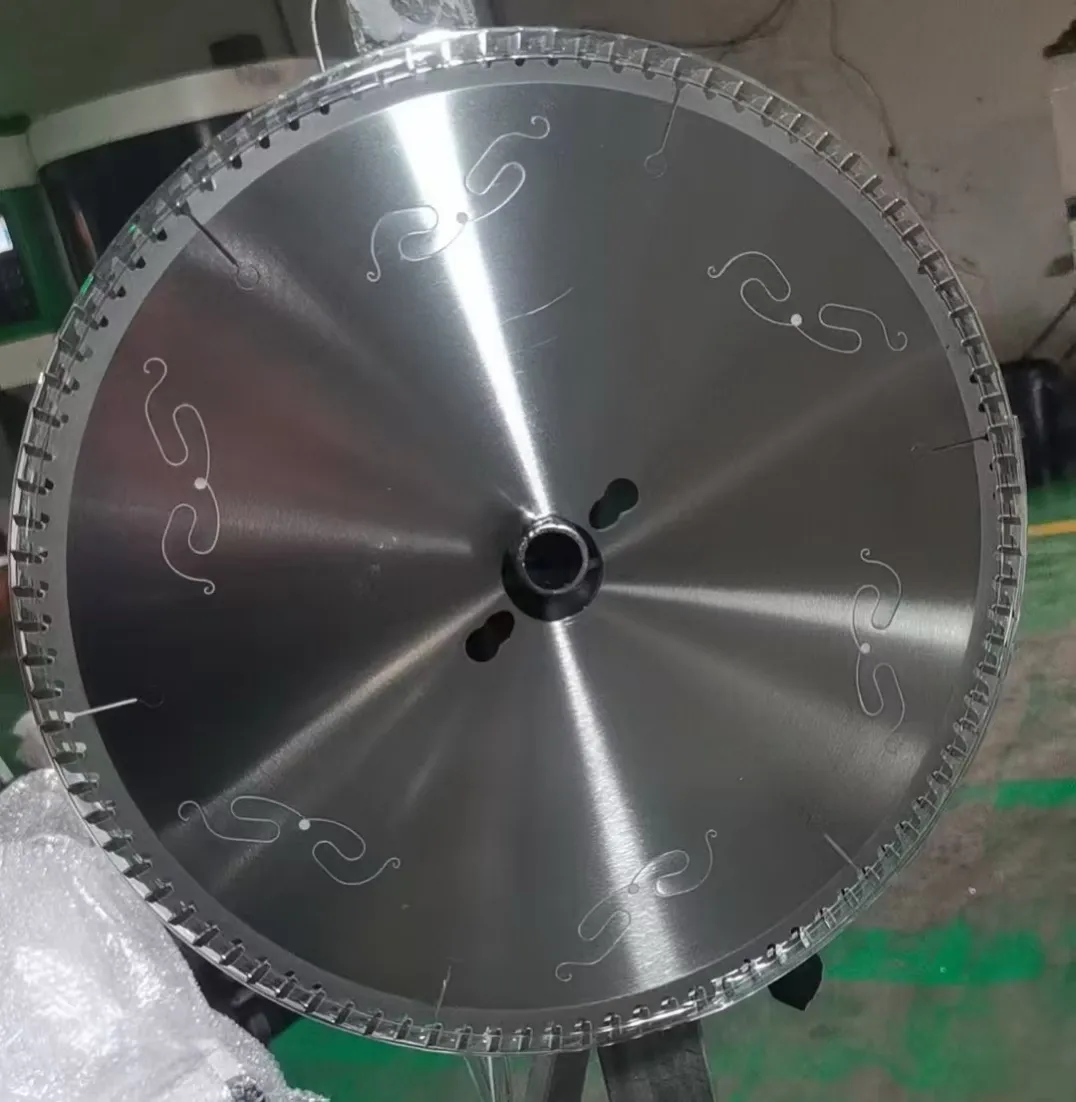
If your blades carry tungsten carbide tips, the last two years have changed your cost base. Tungsten prices - the raw material behind tungsten carbide - have surged sharply since early 2025, driven mainly by export restrictions and reduced mining output. Ammonium paratungstate (APT), the benchmark intermediate, has moved to roughly USD 535-550 per metric ton unit in Europe and the US, and higher still in China. Carbide blade prices follow the raw material, with a lag.
Why tungsten matters to blade buyers
Tungsten carbide (TCT) tips are the workhorse edge for cutting wood, aluminum, plastics and composites: extremely wear-resistant, dimensionally stable, and long-lived between re-sharpening. The wider tooling market - including aerospace and defense - competes for the same raw material, which is why this price move has persisted rather than corrected quickly. Forecasts cited through the period point to a new floor well above the old normal.
What the numbers mean in practice
A price on a carbide blade quotation today is a snapshot, not a constant. Expect suppliers to shorten quote validity, apply raw-material surcharges, or quote with indexed clauses. None of that is a red flag by itself - it reflects an honest reading of the market. What matters is how the supplier manages it: long-term raw material partnerships, inventory positions and stable grades are what keep your production from being exposed to spot-market swings.
Practical planning for buyers
Three moves reduce exposure. First, review whether every blade genuinely needs carbide - high-speed steel or tool steel solutions may cover some tasks at lower cost, leaving carbide for where its life really pays. Second, adjust stock policy: buying proven consumables slightly earlier, within their storage life, protects against both price increases and delivery delays. Third, treat supply stability as part of the specification: ask how the supplier secures raw material and what price validity they can offer.
Questions to ask on your next quote
Ask for the carbide grade and its consistency, the price validity window, how surcharges are calculated, and current stock positions. A supplier who answers these plainly is easier to plan around - in any market. ZHONGJIAN TECH manufactures carbide-tipped, tool steel and HSS blades and works to keep grades and supply stable for long-term customers. Send your blade requirements to ferrytk898@gmail.com.