PCD Diamond Tooling for Composite and CFK Materials: When Carbide Isn’t Enough
Carbon fibre reinforced plastics (CFK), glass fibre composites (GFK) and high-pressure laminates (HPL) destroy carbide tooling at an alarming rate. The abrasive fibres in these materials wear the cutting edge 10 to 20 times faster than wood or MDF. Polycrystalline diamond (PCD) tooling is the only economic solution for production volumes.
Why PCD outlasts carbide on abrasive materials
PCD is a synthetic polycrystalline diamond layer sintered onto a carbide substrate. The diamond crystals have a hardness of 8,000 to 10,000 HV — compared to 1,500 to 2,000 HV for tungsten carbide. On abrasive materials like CFK, GFK and HPL, PCD tool life typically exceeds carbide by a factor of 10 to 20, with some applications achieving even more.
PCD tool types for composite machining
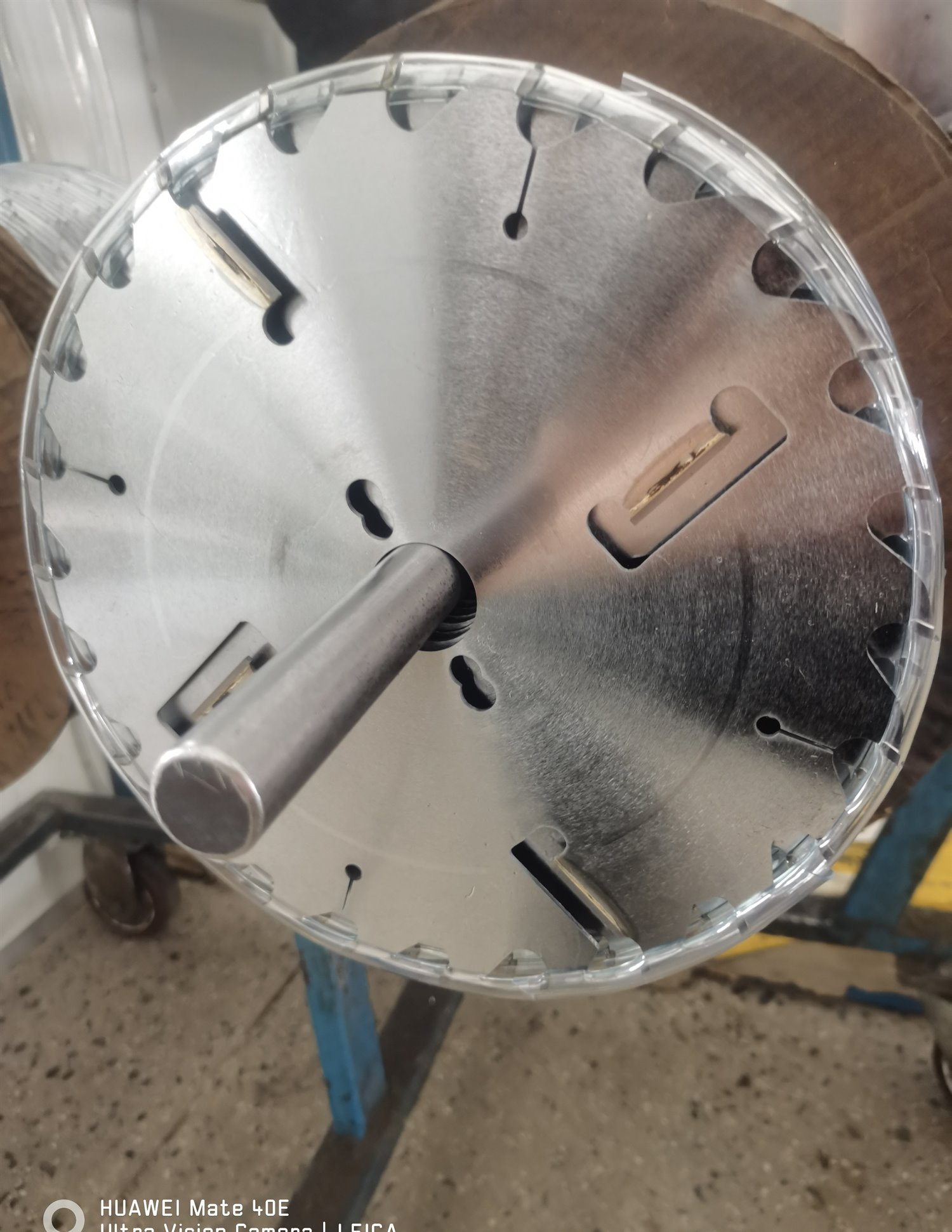
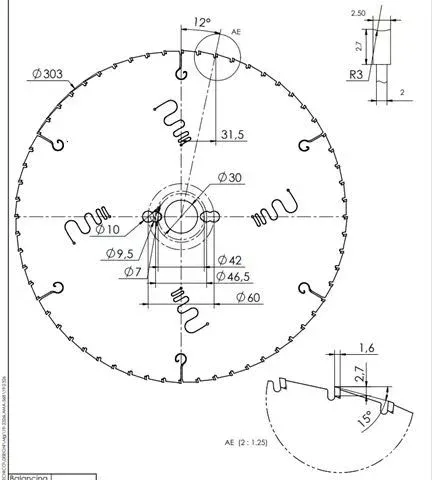
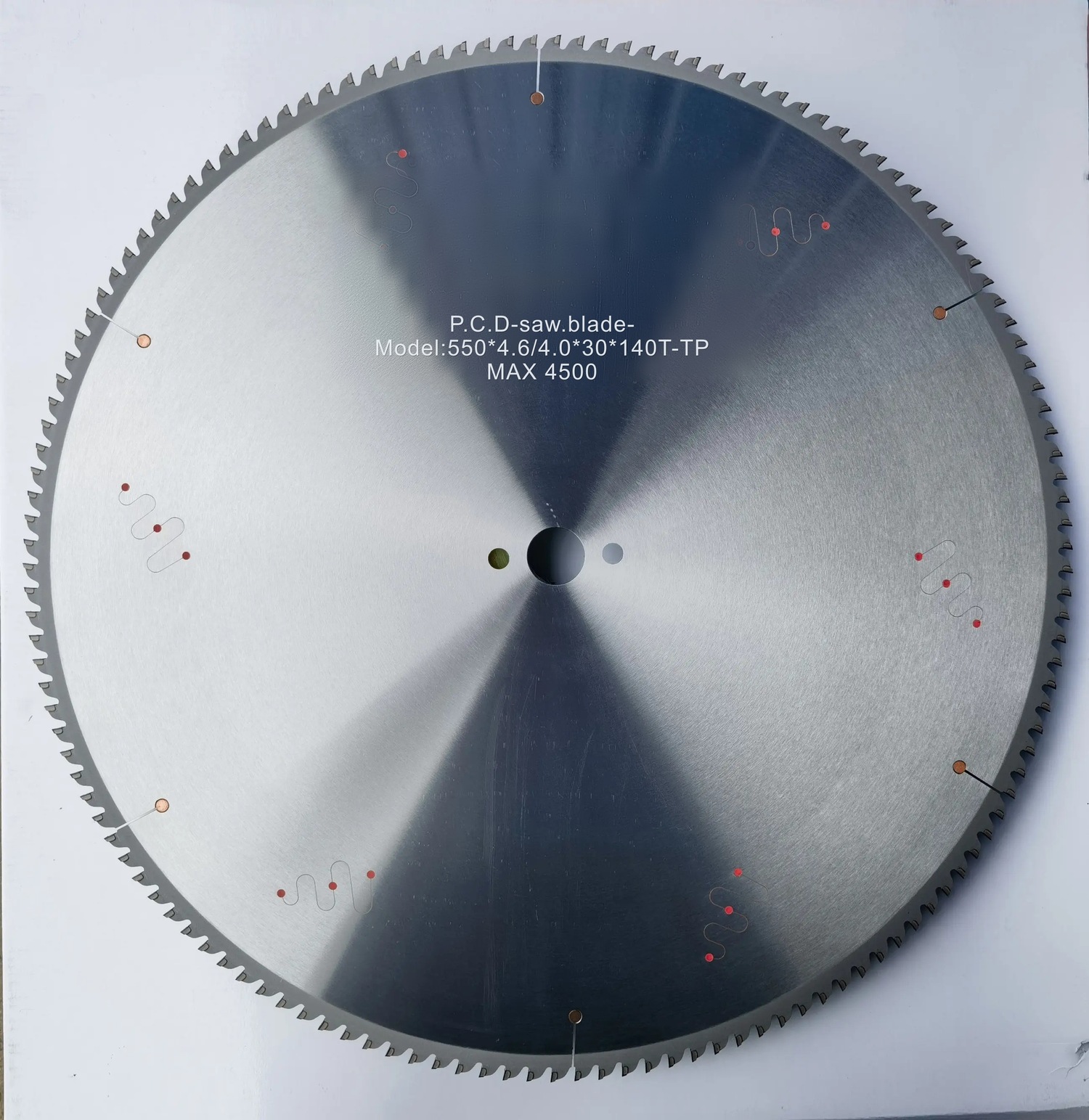
PCD tooling is available in several forms for composite and CFK machining: PCD shank cutters for CNC routers with compression or spiral geometry, PCD saw blades for panel sizing on beam saws and nesting machines, PCD router bits with diamond-tipped cutting edges for edge trimming and profiling, and PCD drilling tools for through-hole drilling in laminated stacks.
Matching PCD grades to materials
PCD is available in different grain sizes. Fine-grain PCD (2-5 μm) provides the best surface finish on laminated panels but wears faster on very abrasive CFK. Coarse-grain PCD (10-25 μm) offers longer life but with slightly rougher cut surfaces. The correct grade depends on the material and the quality requirement of the finished part.
Machining parameters for PCD tools
PCD tools require higher cutting speeds than carbide — typically 3,000 to 6,000 m/min for saw blades and 200 to 400 m/min for shank cutters. Feed rates should be moderate to avoid chipping the PCD layer. Coolant or compressed air is recommended to prevent heat buildup at the cutting edge.
Frequently asked questions
Can PCD tools be resharpened?
PCD tools can be resharpened by grinding the carbide substrate behind the PCD layer. The PCD itself is very hard and requires diamond grinding wheels. Most professional saw services offer PCD resharpening.
Is PCD worth the higher cost?
For production volumes on abrasive materials, absolutely. The tool cost per metre or per part is typically 3 to 5 times lower with PCD than with carbide, even though the initial tool price is higher. The break-even point is usually reached within the first few hundred metres of cutting.
Work with the manufacturer
Pingxiang Xinchen Furnace produces PCD diamond saw blades and cutting tools for composite, CFK and laminated material machining. Contact ferrytk898@gmail.com.