Sep 27, 2026
Common Mistakes to Avoid When Ordering Custom Industrial Knives
Avoid costly mistakes when ordering custom industrial knives. Zhongjian Tech explains the importance of drawings, material selection, hardness, tolerances, coatings, and application details.
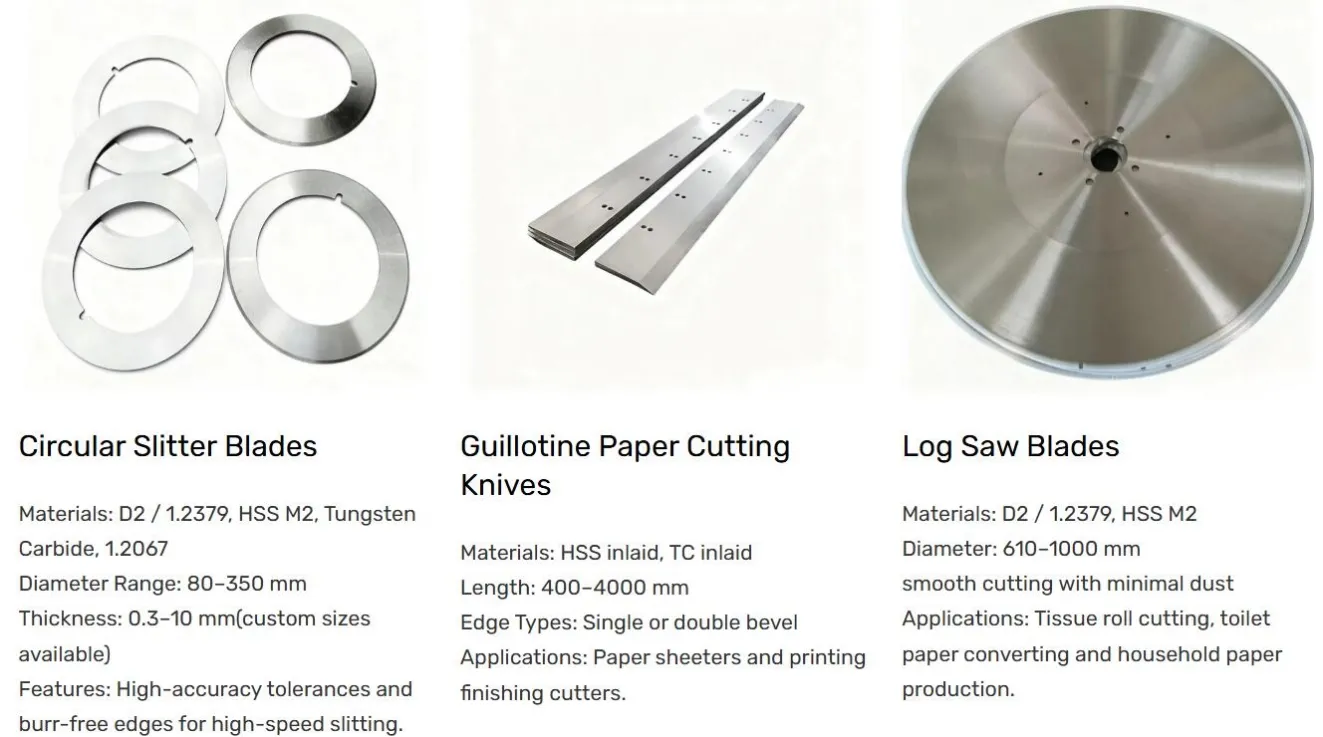
Common Mistakes to Avoid When Ordering Custom Industrial Knives
Ordering custom industrial knives may seem straightforward, but small mistakes during the ordering process can lead to production delays, unexpected costs, or blades that do not perform as expected.
Whether the application involves food processing, plastic recycling, paper converting, woodworking, or metal processing, providing complete and accurate information is essential.
At Zhongjian Tech, we have seen how even minor oversights can affect the final result. Here are some of the most common mistakes manufacturers make when ordering custom industrial knives and how to avoid them.
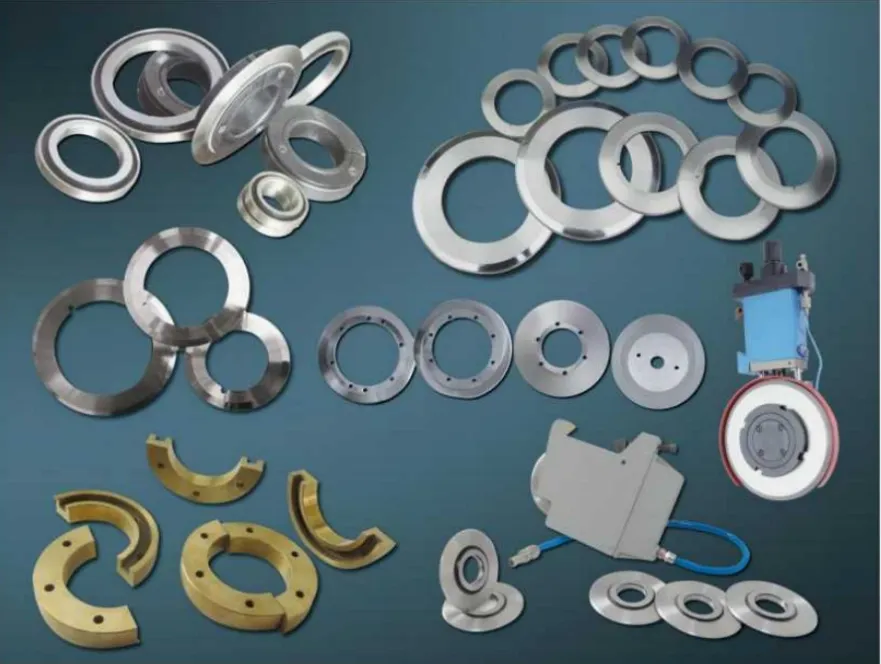
Mistake #1: Providing Incomplete Drawings
One of the most common problems is receiving drawings with missing dimensions.
Critical information may be missing, including:
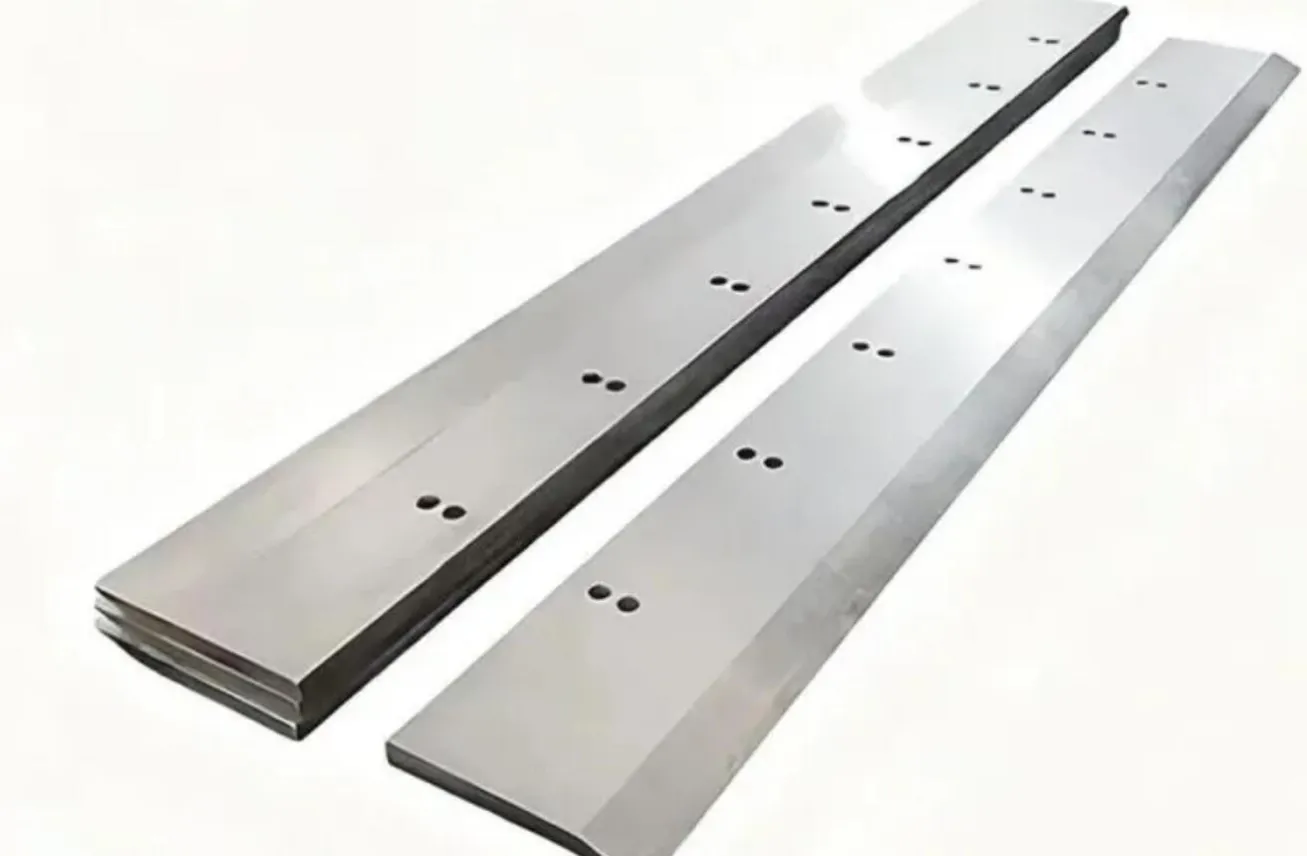
- Overall dimensions
- Hole locations
- Edge angles
- Thickness tolerances
- Chamfers and radii
Complete technical drawings help manufacturers avoid misunderstandings and ensure accurate production.
Mistake #2: Not Specifying the Blade Material
Many customers focus only on the dimensions of the blade and forget to specify the material.
However, material selection directly affects:
- Wear resistance
- Toughness
- Corrosion resistance
- Service life
Common industrial knife materials include:
- D2 (1.2379)
- HSS (M2)
- 9CrSi
- 420 stainless steel
- Tungsten carbide (TC)
Different applications require different materials.
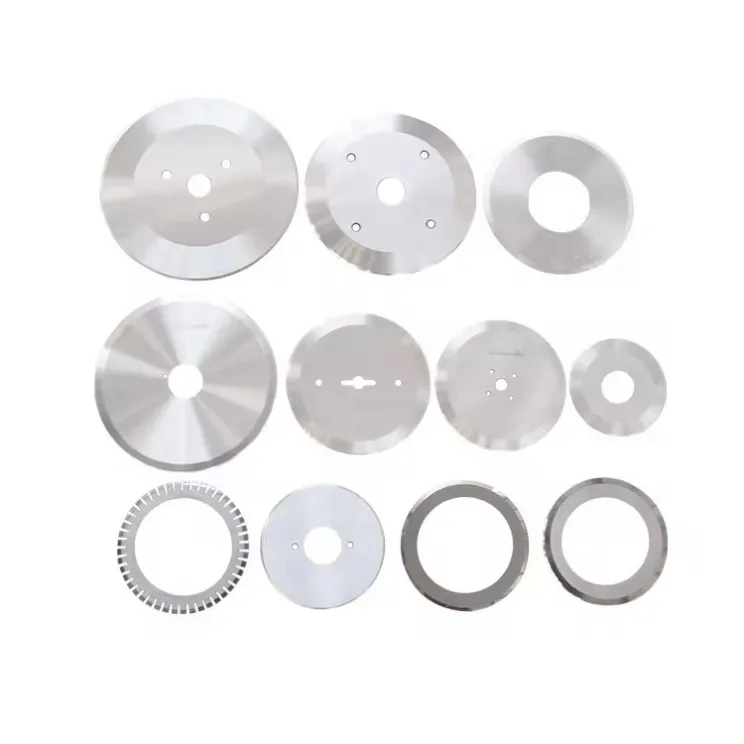
Mistake #3: Ignoring Hardness Requirements
Hardness is another important factor that is often overlooked.
A blade that is too soft may wear quickly, while a blade that is too hard may become brittle and chip during operation.
Instead of simply requesting the highest possible hardness, customers should consider the specific cutting application.
Mistake #4: Not Explaining the Application
A drawing alone does not always provide enough information.
Manufacturers should know:
- What material will be cut?
- What machine will be used?
- What is the production speed?
- Is the environment dry, wet, or corrosive?
Application information often determines the most suitable blade material and manufacturing process.
Mistake #5: Overlooking Tolerances
Dimensions without tolerances can create confusion during production.
Important tolerances include:
- Length
- Width
- Thickness
- Flatness
- Hole positions
Clearly defined tolerances help ensure that the finished blade fits the machine correctly.
Mistake #6: Forgetting About Surface Coatings
In some applications, surface coatings can significantly improve blade performance.
Common coatings include:
- TiN
- TiCN
- CrN
- DLC
The right coating can reduce friction, improve wear resistance, and extend blade life.
Key Takeaways
- Always provide complete technical drawings.
- Specify the blade material whenever possible.
- Include hardness requirements.
- Explain the cutting application.
- Define critical tolerances.
- Consider whether a surface coating is necessary.
FAQ
What information should I provide when requesting a quotation?
Ideally, you should provide a drawing, material requirements, hardness requirements, application details, quantity, and any special requirements.
Can a manufacturer recommend a blade material?
Yes. If the application is clearly described, an experienced manufacturer can recommend suitable materials and heat treatment.
Why are tolerances so important?
Incorrect tolerances can lead to assembly problems, poor cutting performance, and shorter blade life.
Conclusion
Ordering custom industrial knives is more than simply providing dimensions. Material selection, hardness, tolerances, coatings, and application details all influence the final performance of the blade.
Working closely with an experienced industrial knife manufacturer such as Zhongjian Tech can help avoid common mistakes, improve cutting performance, and reduce long-term operating costs.