CNC Tool Holding Systems for Panel Processing: HSK 63E vs HSK 63F Explained
CNC panel processing machines rely on precise tool holding to deliver the accuracy that panel furniture production demands. The HSK 63 system is the dominant tool holder standard on European CNC machines, but the difference between the E and F forms is often misunderstood.
What HSK 63 means
HSK (Hollow Shaft Kegel) is a hollow tapered tool holder that provides better radial and axial accuracy than conventional SK tool holders. The number 63 refers to the flange diameter in millimetres. The hollow design allows for lighter weight and shorter tool change times while maintaining rigidity.
HSK 63E: the precision form
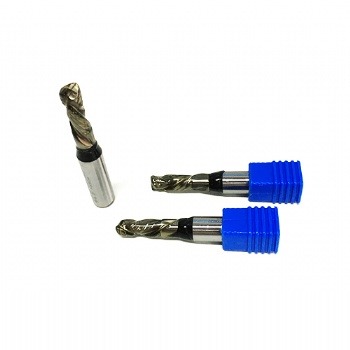
HSK 63E is the high-precision form designed for milling and drilling operations. It uses DIN 6499 form B collets with clamping ranges from 2 to 25 mm shaft diameter. The E form provides the lowest runout values — typically under 0.03 mm at 3× the tool diameter — making it ideal for PCD diamond shank cutters, compression bits and other precision tools used in panel nesting.
HSK 63F: the power form
HSK 63F is the high-torque form designed for heavier cutting operations like sawing and jointing. It uses a different collet or flange mounting that provides higher torque transmission. The F form is commonly found on CNC beam saws and through-feed drilling machines where cutting forces are higher.
Matching tool holders to your application
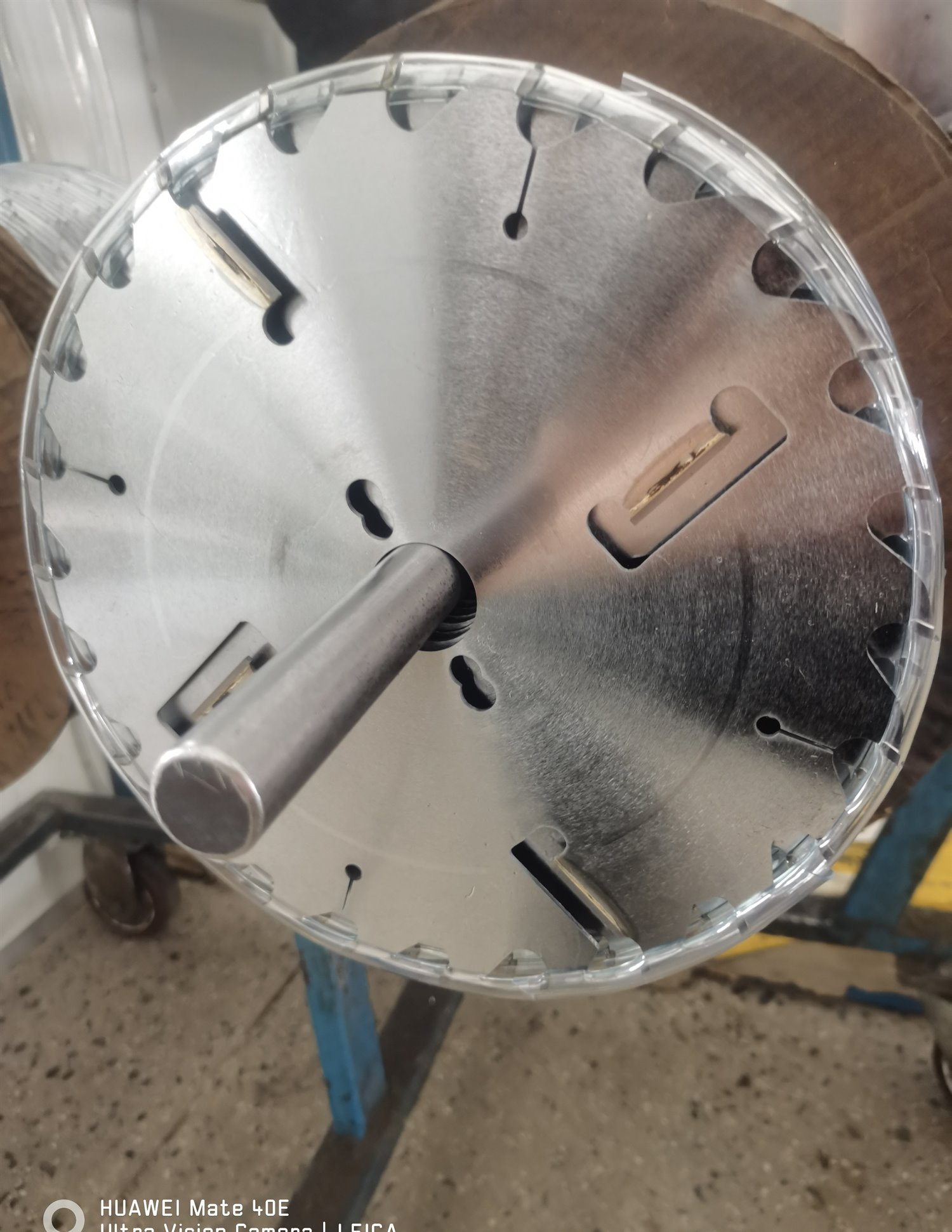
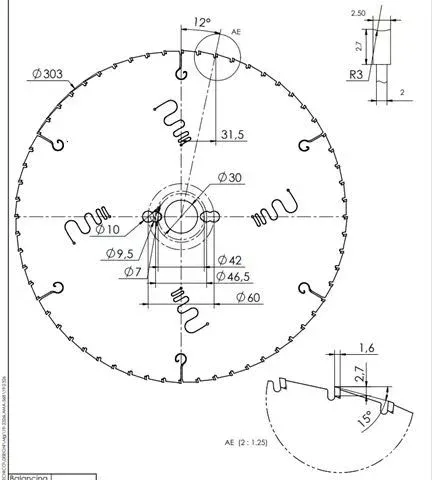
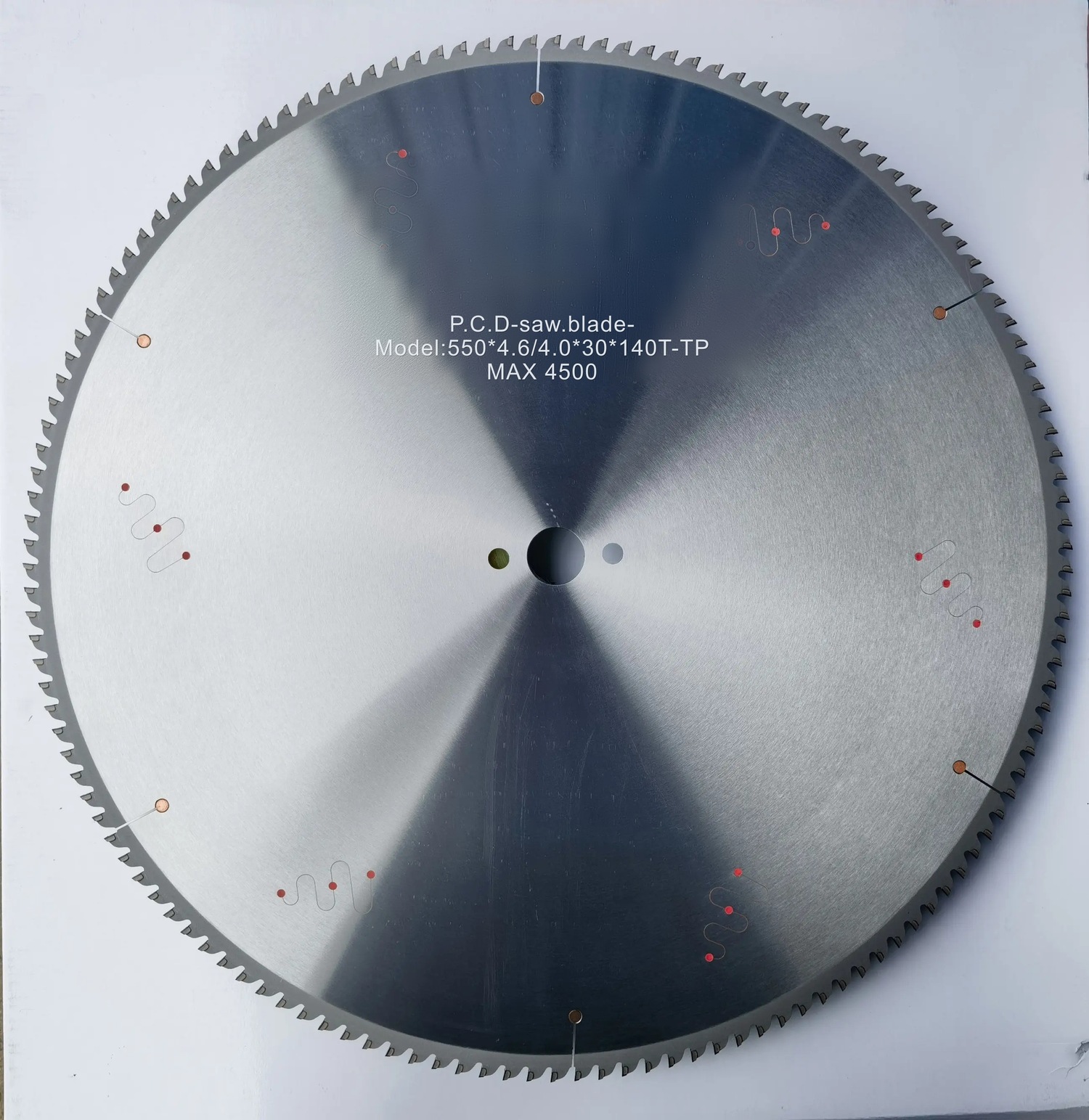
For saw blades and scoring blades on CNC beam saws, the 30 mm bore with HSK 63F flange mounting is the standard. For PCD diamond shank cutters and compression bits on nesting machines, the HSK 63E with precision collets is the correct choice. Using the wrong form can lead to vibration, poor surface quality and premature tool wear.
Frequently asked questions
Can I use HSK 63E tools on an HSK 63F spindle?
No — the E and F forms have different internal geometries and are not interchangeable. The spindle manufacturer determines which form your machine uses. Check the machine documentation before ordering tool holders.
What runout can I expect with HSK 63E?
With a quality collet and a precision tool, runout is typically under 0.03 mm measured at 3× the tool diameter. Lower runout means better surface quality and longer tool life.
Work with the manufacturer
Pingxiang Xinchen Furnace produces saw blades and cutting tools compatible with HSK 63 tool holding systems. Contact ferrytk898@gmail.com.