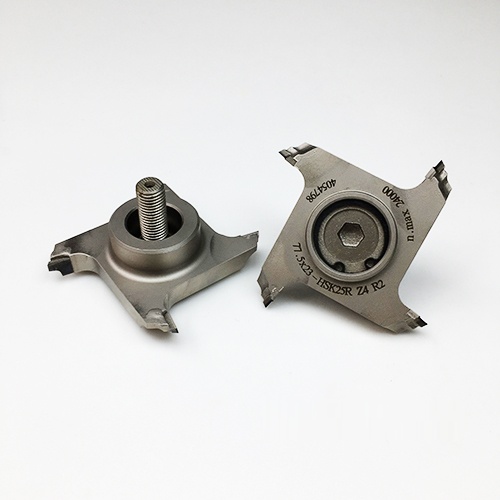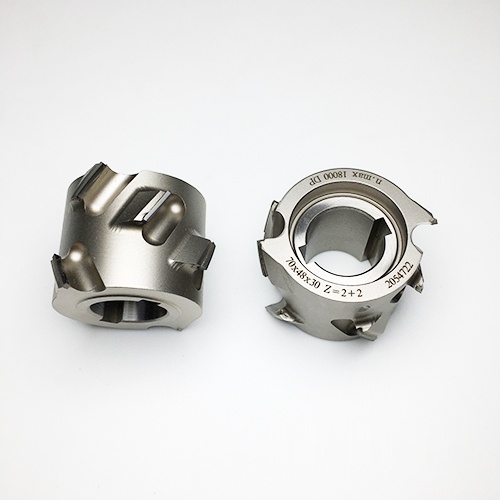
Edgebander Cutters
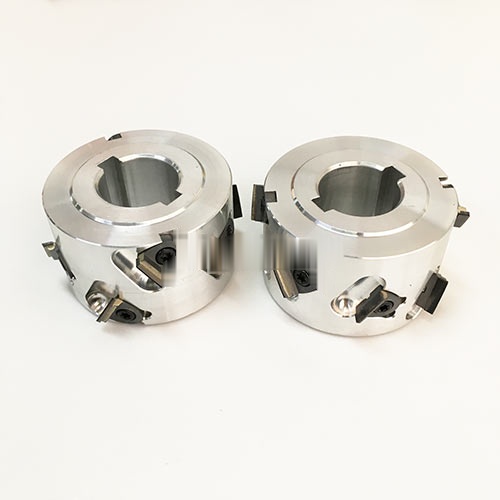
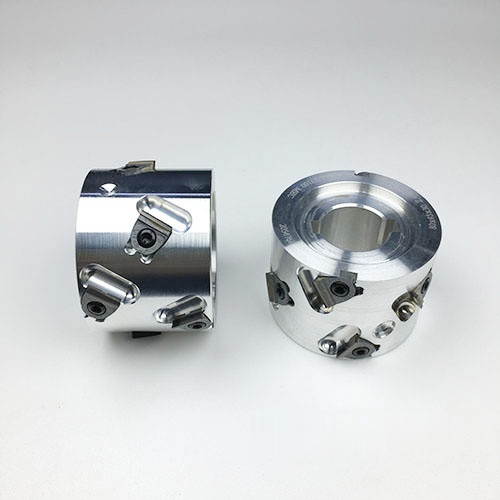
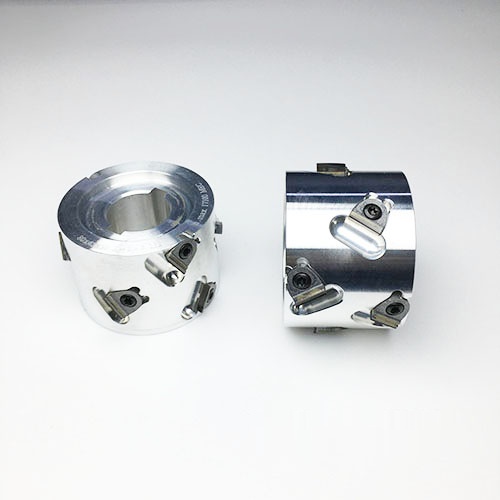
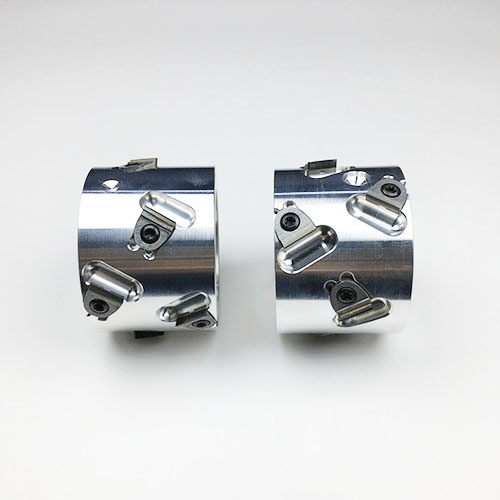
Leitz 192127 WhisperCut PCD Pre-Milling Cutter 80x45x30 Z=2+2 for Biesse Edgebanders
WhisperCut PCD pre-milling cutter 80 mm diameter x 45 mm cutting width x 30 mm bore, Z=2+2, with replaceable blades on a low-noise aluminium alloy body.
Specifications
- Type
- WhisperCut PCD pre-milling cutter with bore
- Product Type
- Cutter with bore
- Cutting Material
- DP (polycrystalline diamond)
- Diameter
- 80 mm
- Cutting Width
- 45 mm
- Hub Thickness
- 53 mm
- Bore / Interface
- 30 DKN
- Position of Hub
- 1
- Number of Teeth
- Z 2+2
- Body
- Aluminium alloy, low noise
- Compatible With
- Leitz part number 192127
- Machine
- Biesse edgebanding machines
This is the 45 mm-wide WhisperCut head for Biesse edgebanders: 80 mm cutting diameter, 45 mm cutting width, 53 mm hub thickness, 30 DKN bore, Z=2+2, compatible with Leitz part number 192127.
45 mm cutting width - when to use it
The cutting width has to match the height of the edge being jointed plus the clearance the machine allows. A 45 mm head covers thicker panel edges than a 35 mm head and is the standard fit on the Biesse machines that run this part number. Specifying a narrower head than the edge height leaves part of the edge unjointed; specifying wider than the machine can accommodate causes interference at the pressure unit.
The 30 DKN bore
DKN is a keyed bore: a 30 mm cylindrical bore with drive keys. The keys carry the torque so the head cannot rotate on the spindle under an interrupted cut. The hub position and the hub thickness also have to match, because they set where the cutting circle sits relative to the machine datum - which is why the specification lists hub thickness and hub position alongside the diameter.
Aluminium body and low noise
The body is aluminium alloy rather than steel. On a head running continuously at the jointing station, the lower mass cuts the load on the spindle bearings and the optimised body shape reduces radiated noise. The PCD blades are replaceable, so a dull edge is a blade change rather than a regrind cycle.
What it cuts
Chipboard, MDF and plywood panels, with melamine, paper, HPL, PVC or veneer faces - the standard panel materials on a furniture production line. The head is there to remove the sawn or scored edge and leave a surface that the glue and the banding can bond to without a visible line.
How to specify the head
Quote the Leitz part number 192127 and confirm the machine model. If the part number is not available, measure the outer diameter, cutting width, hub thickness, bore and keyway, and the Z layout, and send those with the machine make and model.
Diameter gets the speed right; cutting width and hub position decide whether it fits the machine at all.
ZhongJian Tech manufactures PCD and diamond edgebander tooling - jointing cutters, pre-milling heads, edge rounding cutters and replaceable insert systems - in Futian Town, Anyuan District, Pingxiang City, Jiangxi Province, China. Send the machine brand and model, the panel material and the part number you are replacing, and we will confirm the specification and quotation. Email ferrytk803@gmail.com, phone / WhatsApp +86 13617995900.
Frequently asked questions
Does this cutter fit my edgebander?
The bore is 30 DKN and the machines it is built for are Biesse edgebanding machines. Four values decide the fit — outer diameter, height, bore and Z layout — and the machine brand narrows the choice without replacing the measurement. Check the bore and the keyway against your spindle before ordering.
Is it a direct replacement for the OEM part number?
Send the part number engraved on the existing head together with the machine make and model, and the specification is cross-referenced against it.
What happens when the cutting edges dull?
A dull head shows up first as a rougher edge, then as a glue line that opens on every panel. Deal with it on condition rather than on a fixed calendar, because the wear rate depends on the panel material and the feed rate.
Which panels does it cut cleanly?
The requirement in every case is the same: no chipping on the top and bottom face, because the banding covers the edge and not the face. Feed rate, spindle speed and cutter condition all have to match for that to hold.