Edgebander Cutters
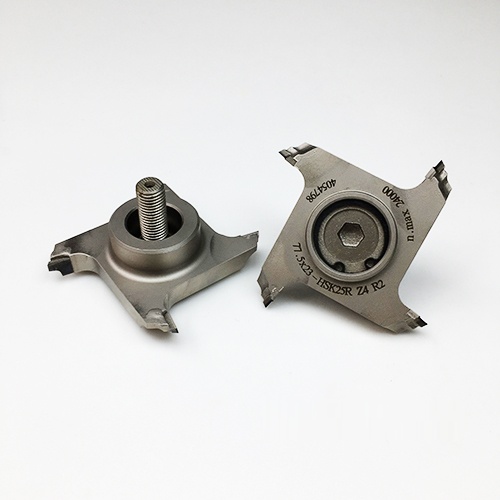
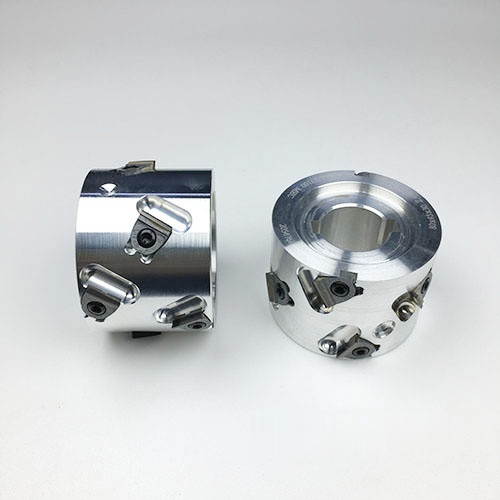
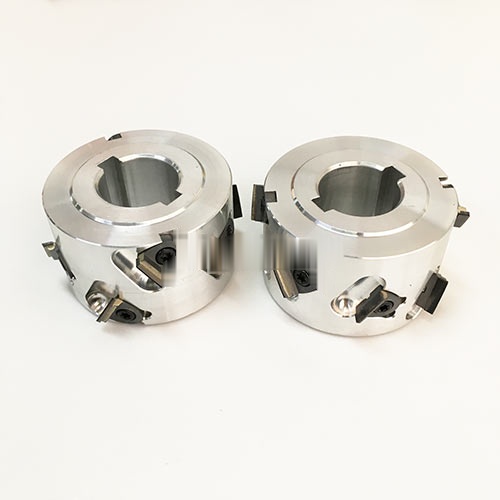
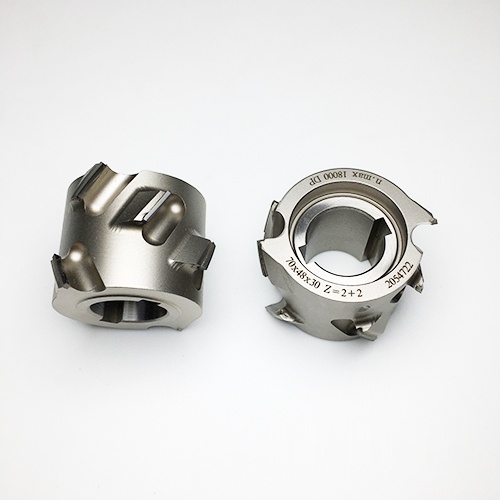
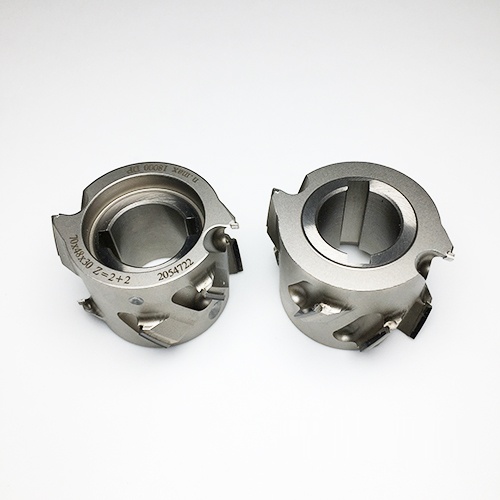
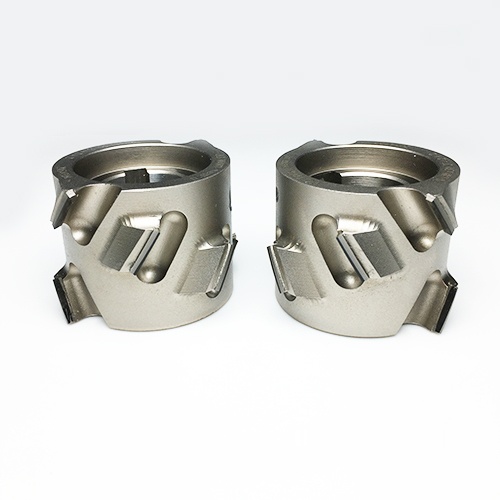
192046 192047 PCD Jointing Pre-Milling Cutter 70x48x30 Z=2+2 for HOLZ-HER Edgebanders
PCD jointing pre-milling cutter pair, 70 x 48 x 30 mm, Z=2+2, left and right hand rotation, replacing Leitz 192046 (left) and 192047 (right) on HOLZ-HER edgebanders.
Specifications
- Type
- PCD jointing pre-milling cutter, left and right hand pair
- Dimensions
- 70 x 48 x 30 mm
- Cutting Edges
- Z 2+2
- Rotation
- Left hand (replaces Leitz 192046) and right hand (replaces Leitz 192047)
- Tip Material
- PCD (polycrystalline diamond)
- Machine
- HOLZ-HER edgebanders
- Cutting Mode
- Low-noise jointing with feed and against feed (jump cutting)
- Materials
- Particle and fibre board (MDF), veneered, plastic and paper coated, glass and carbon fibre reinforced plastics
- Application
- Edge processing and copy shaping machines
This is a matched pair of PCD jointing cutters for HOLZ-HER edgebanders: a 70 x 48 x 30 mm left-hand head replacing Leitz 192046 and the matching right-hand head replacing 192047. They are supplied as a pair because the machine uses both - one cutting with the feed and one against it.
Why the pair must be matched
A jointing station that works in both feed directions needs a left-hand and a right-hand cutter with the same geometry. If one is replaced and the other is worn, or if the two come from different production batches, the two cutting actions do not match and the joint quality varies depending on which direction the panel is running. Replacing them as a pair keeps the cut consistent.
Jump cutting and low-noise jointing
The cutters are designed for low-noise jointing with feed and against feed, which is the jump-cutting duty on a HOLZ-HER line. The PCD tips shear the edge rather than chipping it, and the head geometry is arranged so the acoustic output stays low - a real consideration on a machine where the jointing station is close to the operator.
What it cuts
Particle and fibre materials such as MDF, both uncoated and veneered, panels with plastic or paper coating, and fibre-reinforced plastics including glass fibre and carbon fibre reinforced material. The common requirement across all of them is that the pre-milled edge must be clean on both faces, because the banding covers only the edge.
PCD rather than carbide
The mineral fillers in engineered board wear a carbide edge quickly. PCD holds its edge for months rather than weeks in this position, and because the jointing cutter sits directly in front of the glue pot, a dull edge is not a cosmetic problem - it opens the glue line on every panel that follows.
How to specify the cutter
For a replacement, the part number is the fastest route: 192046 for the left-hand head and 192047 for the right-hand head. If the part number is not legible, send the outer diameter, height, bore, Z layout and rotation direction, plus the machine model.
Left and right are replaced together, or the joint quality depends on which way the panel is running.
ZhongJian Tech manufactures PCD and diamond edgebander tooling - jointing cutters, pre-milling heads, edge rounding cutters and replaceable insert systems - in Futian Town, Anyuan District, Pingxiang City, Jiangxi Province, China. Send the machine brand and model, the panel material and the part number you are replacing, and we will confirm the specification and quotation. Email ferrytk803@gmail.com, phone / WhatsApp +86 13617995900.
Frequently asked questions
Does this cutter fit my edgebander?
The bore is given in the specification table above and the machines it is built for are HOLZ-HER edgebanders. Four values decide the fit — outer diameter, height, bore and Z layout — and the machine brand narrows the choice without replacing the measurement. Check the bore and the keyway against your spindle before ordering.
Is it a direct replacement for the OEM part number?
Yes — Left hand (replaces Leitz 192046) and right hand (replaces Leitz 192047). Quote that part number when you inquire and the specification is cross-referenced against it, which is faster and more reliable than measuring a worn head.
What happens when the cutting edges dull?
The cutting edges are PCD (polycrystalline diamond). A dull head shows up first as a rougher edge, then as a glue line that opens on every panel. Deal with it on condition rather than on a fixed calendar, because the wear rate depends on the panel material and the feed rate.
Which panels does it cut cleanly?
Its application is edge processing and copy shaping machines. The requirement in every case is the same: no chipping on the top and bottom face, because the banding covers the edge and not the face. Feed rate, spindle speed and cutter condition all have to match for that to hold.