Ultra-Thin Kerf PCD Saw Blades: Where the Material Savings Come From
A 1.3 mm kerf instead of 2.5 mm sounds small - until you multiply it by thousands of cuts. How thin-kerf PCD blades reduce waste and machine load.

Kerf is the width of material a saw blade removes. On a single cut it is invisible. Across a production day it becomes a line item: every millimeter of kerf is material sold by the tonne and turned into sawdust.
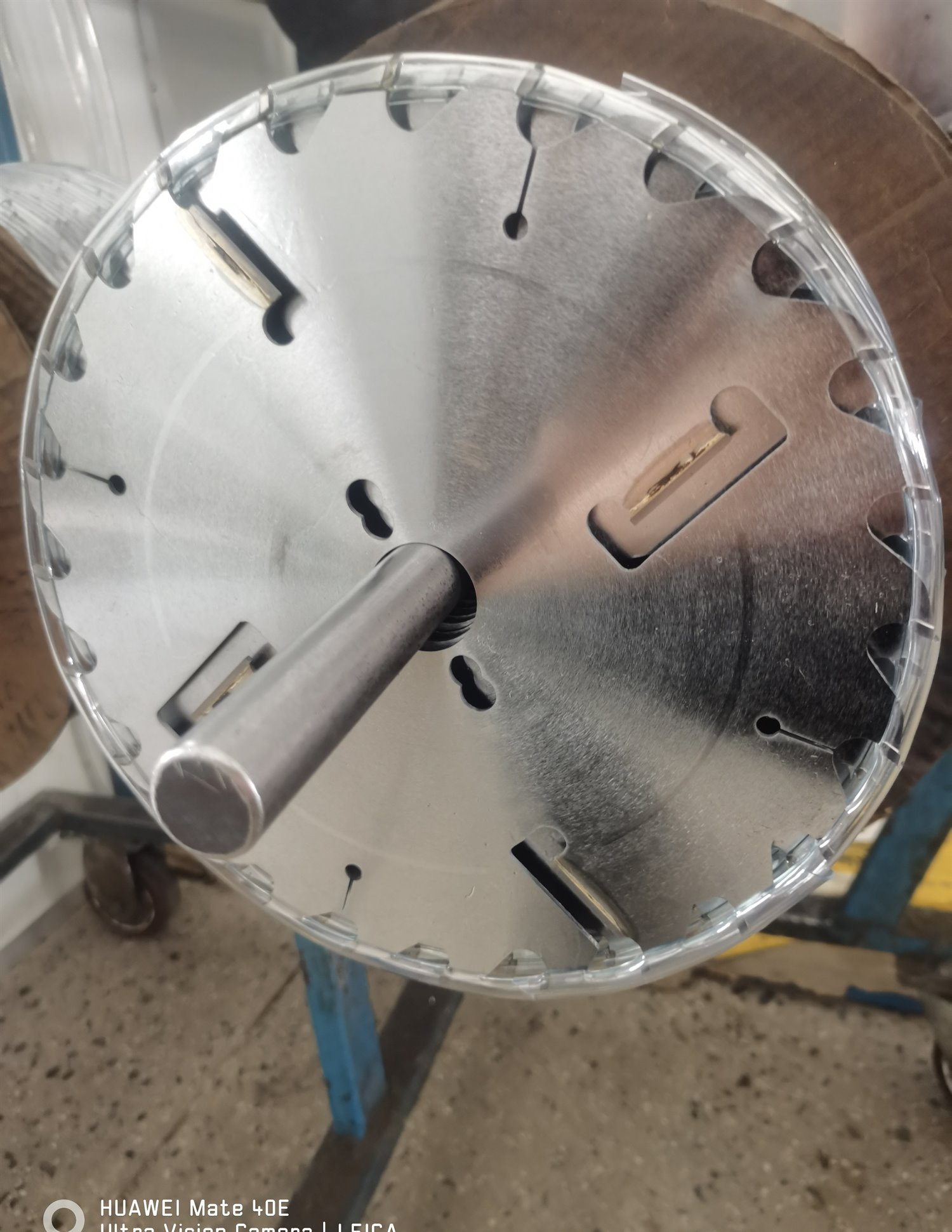
Ultra-thin PCD blades take kerf down to the 1.3-2.0 mm range depending on diameter and application. That is roughly half the cut width of a conventional carbide blade at the same diameter - and the savings compound.
The arithmetic that buyers should run
Take a blade cutting 2.5 mm of kerf and replace it with 1.5 mm. Each cut saves 1 mm of material width. On a panel line cutting tens of thousands of linear meters a month, that millimeter becomes cubic meters of board that leave the factory as product instead of dust.
There is a second, quieter saving: less material removed means less cutting resistance, so the machine draws less power and the motor runs cooler. On high-speed sizing lines the effect shows up in both the electricity bill and the thermal stability of the cut.
Why thin kerf was historically risky
A thin blade is easier to deflect. If the plate is not stiff enough, or the tensioning is wrong, a thin blade wanders, vibrates and leaves a poor edge - which is why thin kerf used to mean quality compromises. PCD solves this from both sides: the tip stays sharp far longer, and modern blade bodies are tensioned to hold flatness at speed, so the thin plate runs true.
That combination - a genuinely sharp edge plus a stable plate - is what makes 1.3-2.0 mm kerf practical on production equipment rather than a specialty item.
Where thin kerf pays back fastest
Three situations stand out. High-volume panel cutting, where material savings scale directly with throughput. Premium materials - veneered panels, HPL, engineered boards - where every millimeter of waste is expensive. And cordless or low-power equipment, where reduced cutting resistance translates into longer battery runtime and less motor strain.
What to check before switching
Confirm the machine can run the thinner plate safely: the arbor flange must support it, the riving knife or splitter must match the kerf, and the guards must still cover the blade. Then verify the cut quality on your own material before committing to a production run - kerf reduction is only a saving if the edge standard still holds.
Kerf is the only cutting cost that is paid twice: once for the material removed, once for the disposal of the dust.
ZHONGJIAN TECH manufactures PCD and carbide-tipped saw blades with the Kunlun teeth shape for woodworking, panel processing and composite cutting. Send your machine, material and size requirements to ferrytk898@gmail.com and we will confirm a blade specification and quotation.