Circular Saw Blades for Veneer, Melamine and HPL Panels
Choose the right TCT or PCD circular saw blade for veneer, melamine and HPL panel cutting. Reduce chipping, cut without a scoring saw and keep edges clean.
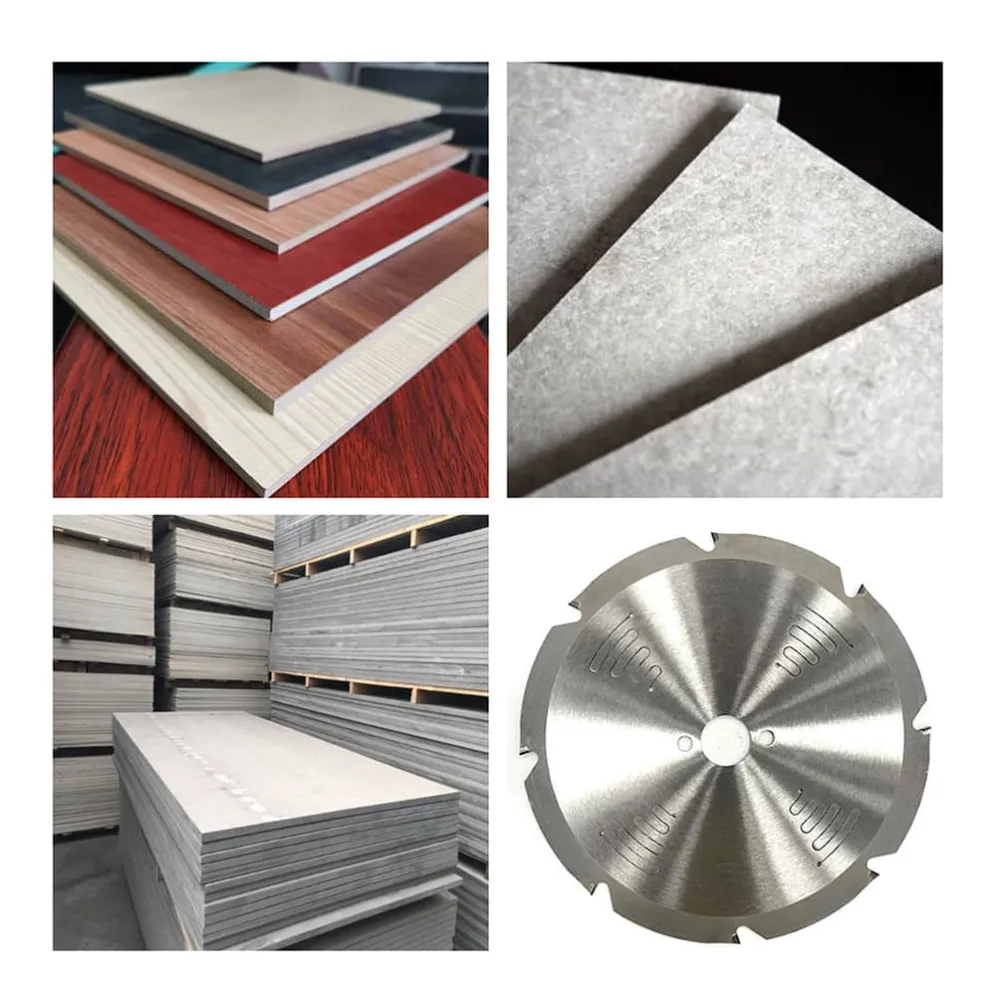
Laminated panels are unforgiving. A blade that leaves a clean edge on solid wood can chip the veneer face of a melamine or HPL panel on the first cut, and every chipped edge is a rejected part. The difference is not the machine - it is how the saw blade matches the panel construction.
This guide explains how veneered, melamine and HPL panels behave at the saw, and how to choose a TCT or PCD circular saw blade that cuts them cleanly on both faces.
Why laminated panels chip
A laminated panel is a sandwich: a softer core with a thin, brittle decorative face. The face has almost no tolerance for tearing. If the blade exits the cut without supporting the fibers, the face layer breaks away instead of being sheared, and the panel leaves the machine with a chip-out line along the edge. Two factors govern whether that happens: tip sharpness and tip geometry, and where the blade enters and exits the panel.
TCT blades: the standard choice
Tungsten carbide tipped (TCT) blades are the workhorse for panel sizing. A hardened, tensioned alloy steel body carries carbide tips brazed in place, and the tooth geometry does the finishing work. For veneer, melamine and HPL cutting, blades typically run fine-grit tips with a high tooth count and a positive-to-negative hook profile that supports the top face as it cuts. TCT blades cut hundreds of panels between services and can be re-sharpened several times, which keeps the cost per cut low.
PCD blades: the finish that skips the scoring saw
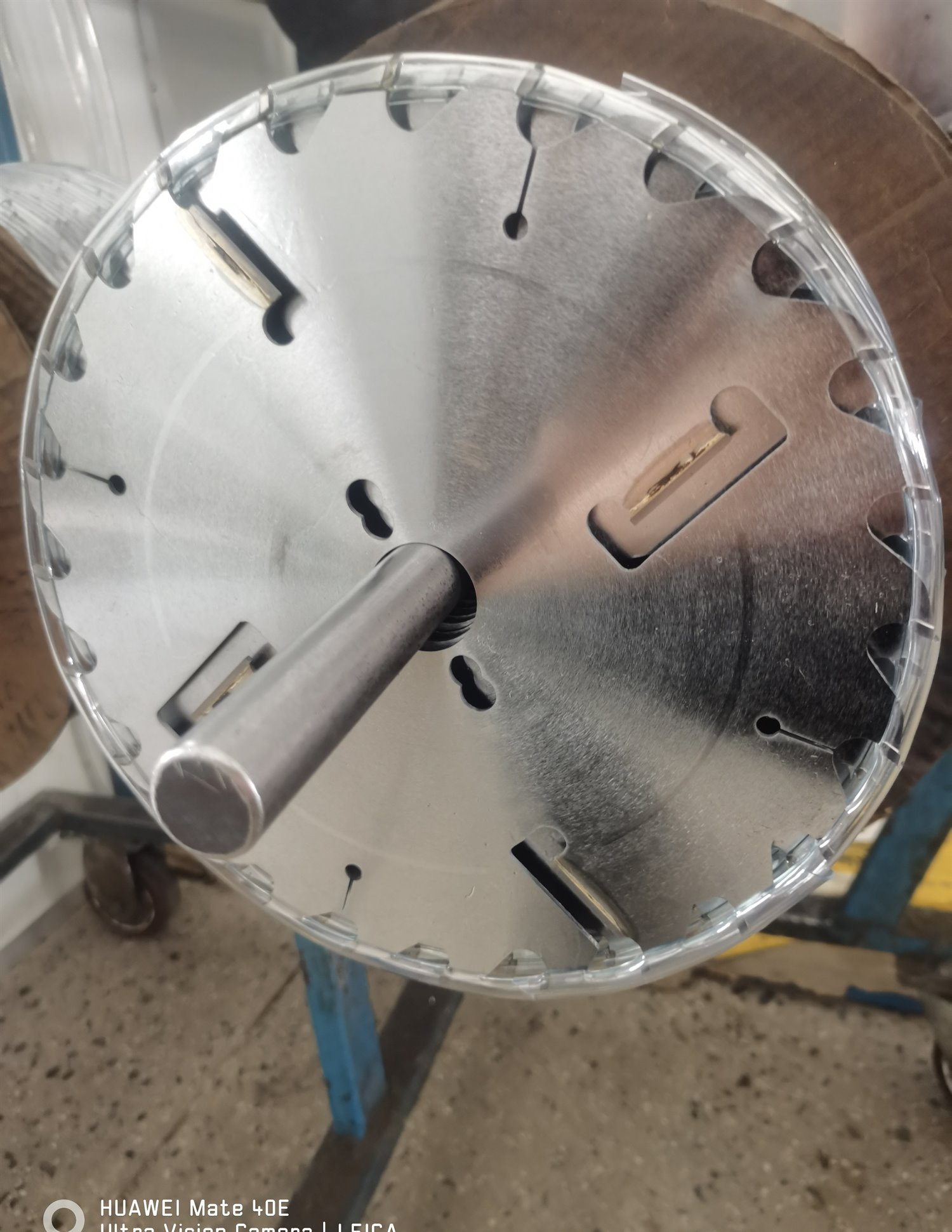
For the highest finish requirements, polycrystalline diamond (PCD) tips are the answer. PCD tips are far harder than carbide, so the cutting edge stays sharp for very long production runs, and the tip geometry can be designed to shear the top and bottom laminate cleanly in a single pass. On double-sided laminated panels - melamine and HPL in particular - a correctly specified PCD blade produces finished edges on both faces without a scoring saw unit, simplifying the machine setup and removing a whole alignment task from the process. The higher blade price is recovered on long runs where carbide blades would need repeated changes.
Tooth geometry and blade body
Tooth geometry should follow the material mix. Flat and trapezoidal tooth profiles handle laminated panels; pagoda-style tooth arrangements on PCD blades are designed for chip-free cuts on both faces of double-sided panels. The blade body matters too: a hardened and tensioned body resists deflection at high feed rates, and deflection is one of the quiet causes of inconsistent edges. Custom diameters, tooth counts and bores are worth specifying to your machine rather than compromising with a stock size.
Cutting practice that keeps edges clean
Blade selection is half the job; the cut program is the other half. Feed the panel so the blade exits through the underside of the decorative face where possible, keep the panel supported on both sides of the kerf, and let a sharp blade do the work instead of forcing feed speed. If edges that were clean start showing chip-out, check the blade first - a slightly dulled tip shows up on laminated faces before it shows anywhere else - then check clamping and alignment.
Choosing between TCT and PCD
Use a simple rule of thumb. If you cut mixed materials, run moderate volumes, or want a blade that can be re-sharpened economically, choose TCT. If you cut double-sided melamine or HPL in production volumes and want a scoring-free finish with minimal blade changes, choose PCD. Both are available from ZHONGJIAN TECH with diameters, tooth counts and bores produced to your panel saw or edge-bander requirements.
Tell us which panels you cut, the machine model and your required edge quality - send the details to ferrytk898@gmail.com and we will recommend a blade specification and quotation.