Saw Blade Quality Acceptance: Inspection Checklist Before You Accept
How to inspect a blade shipment: what to measure, what to check visually, and what to do when a batch does not match the specification.

A blade shipment arrives. If it is accepted without inspection, any defect becomes a production problem that shows up weeks later - and by then the conversation with the supplier is about cause, not correction. A 15-minute acceptance check at goods-in prevents most of that.
Here is a practical inspection routine for industrial saw blades, in the order that catches the most problems fastest.
1. Check the paperwork first
Before opening anything: does the packing list match the order - quantity, dimensions, tooth count, tip grade? Are the material and inspection documents included? Does the invoice match the agreed price and Incoterm? Discrepancies at this stage are easiest to resolve while the shipment is untouched.
2. Verify identity and dimensions
Measure a sample of blades against the order: diameter, kerf, plate thickness, bore. A caliper check of bore and thickness catches the most consequential error - a blade that does not fit the machine. Verify tooth count by counting one blade and comparing the rest for consistency.
3. Check flatness and runout
Place each blade on a flat surface (a surface plate or a clean machine table) and check for wobble. Any blade that rocks is a rejection - flatness is a functional property, not cosmetic. For a small shop, this simple check catches most shipping damage and manufacturing defects.
4. Inspect the teeth
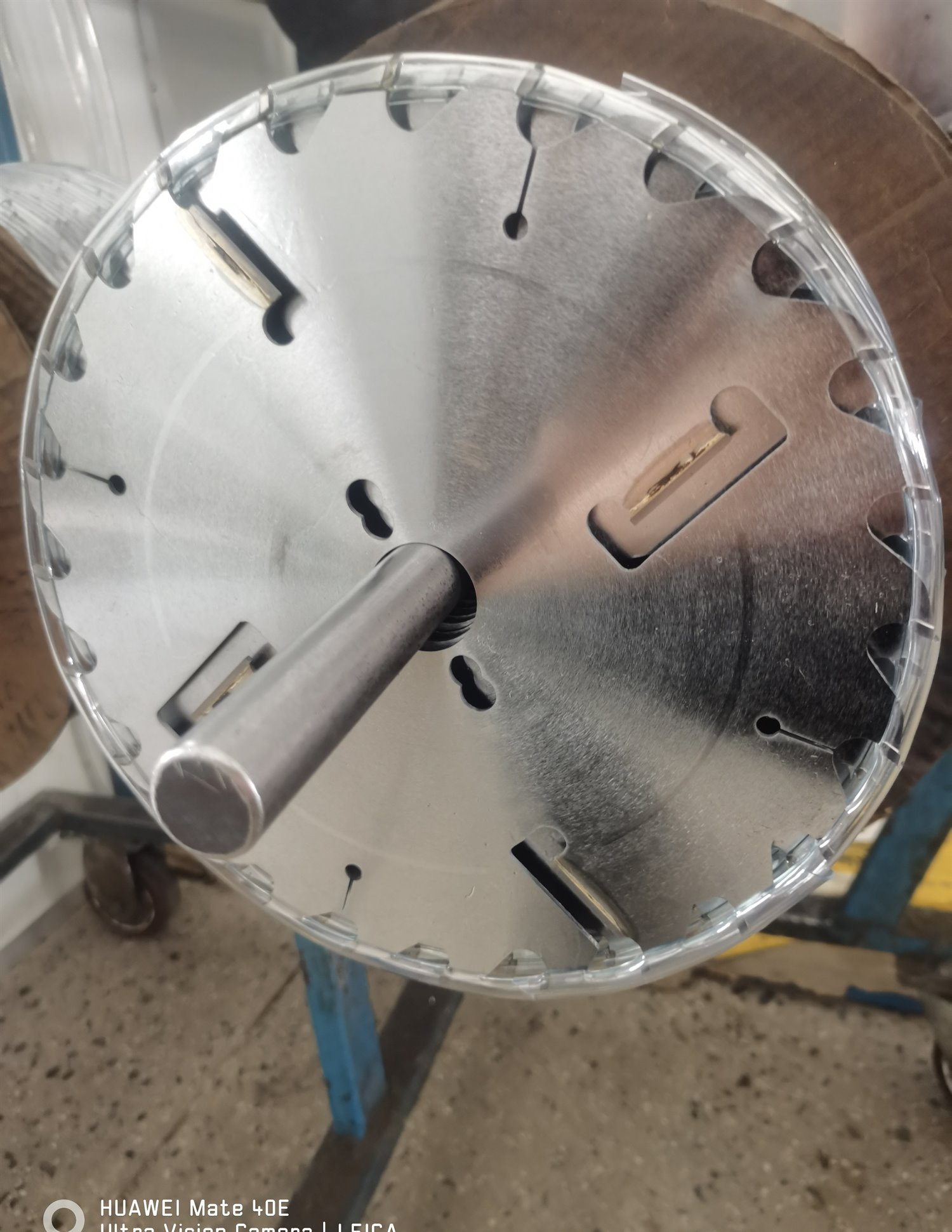
Look at every tooth on a sample blade under good light: missing tips, chips, uneven brazing or grinding marks, and any variation in tooth geometry around the circumference. A magnifier helps. Pay particular attention to the first and last tooth, where handling damage concentrates.
5. Check the tips for the stated grade
Confirm the tip material visually where possible (carbide and PCD look different), and verify the grade against the documents. If the order called for PCD and the blade is carbide, that is a commercial dispute, not a quality note.
6. Record and photograph
Photograph any deviation with the blade in frame and the measurement visible. Send a factual summary to the supplier within days of receipt - most reputable manufacturers will resolve a documented complaint quickly, and early notice protects the relationship and the next order.
Inspection is not distrust - it is how a good supplier relationship stays good, order after order.
Checking a Kunlun Teeth Shape Blade at Goods-In
For blades supplied in the Kunlun teeth shape, add two checks to the routine: verify the stepped tooth profile is uniform around the circumference, and confirm the decorative-face edge quality on a test cut. The profile is what delivers scoring-saw-free panel cutting with cleaner edges - a blade that has lost that geometry in transit will chip panels even though every dimension measures correct.
ZHONGJIAN TECH ships production blades with dimension and hardness records and supports pre-shipment inspection on request. Contact ferrytk898@gmail.com to discuss inspection and documentation for your program.