PCD vs TCT Saw Blades: Which One Belongs on Your Machine?
Diamond tips or tungsten carbide? A practical comparison of edge life, cut quality, cost per cut and the applications where each wins.

If you cut panels for a living, the blade decision usually comes down to two tip materials: tungsten carbide (TCT) or polycrystalline diamond (PCD). Both cut wood-based panels; they differ in how long they hold an edge, what they cost, and what they demand from the machine. Getting the choice right is one of the larger controllable costs in a panel shop.
How the two tips differ
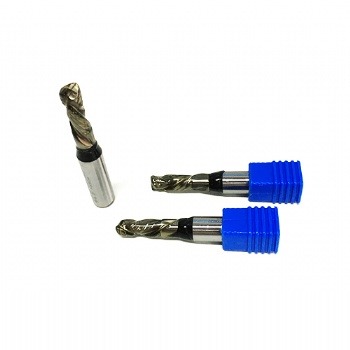
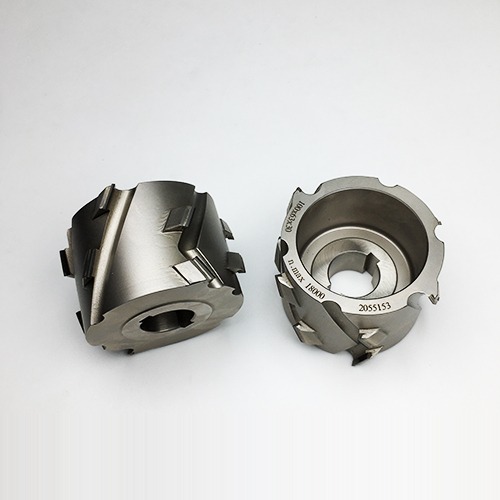
Carbide tips are hard, tough and inexpensive to produce. They cut well and can be resharpened several times, but the edge wears - gradually at first, then faster as the tip rounds. PCD tips are made of polycrystalline diamond, dramatically harder than carbide. They stay sharp for many times longer and hold their geometry as they wear.
The practical consequence: a TCT blade changes its cutting behaviour over its life. A PCD blade cuts the same way until it is worn out.
Cut quality over the life of the blade
This is where the difference matters most. With TCT, edge quality drifts - the first hundred panels are clean, the next few hundred are acceptable, and the last ones chip. Operators learn to change blades on feel, and quality problems are blamed on the machine.
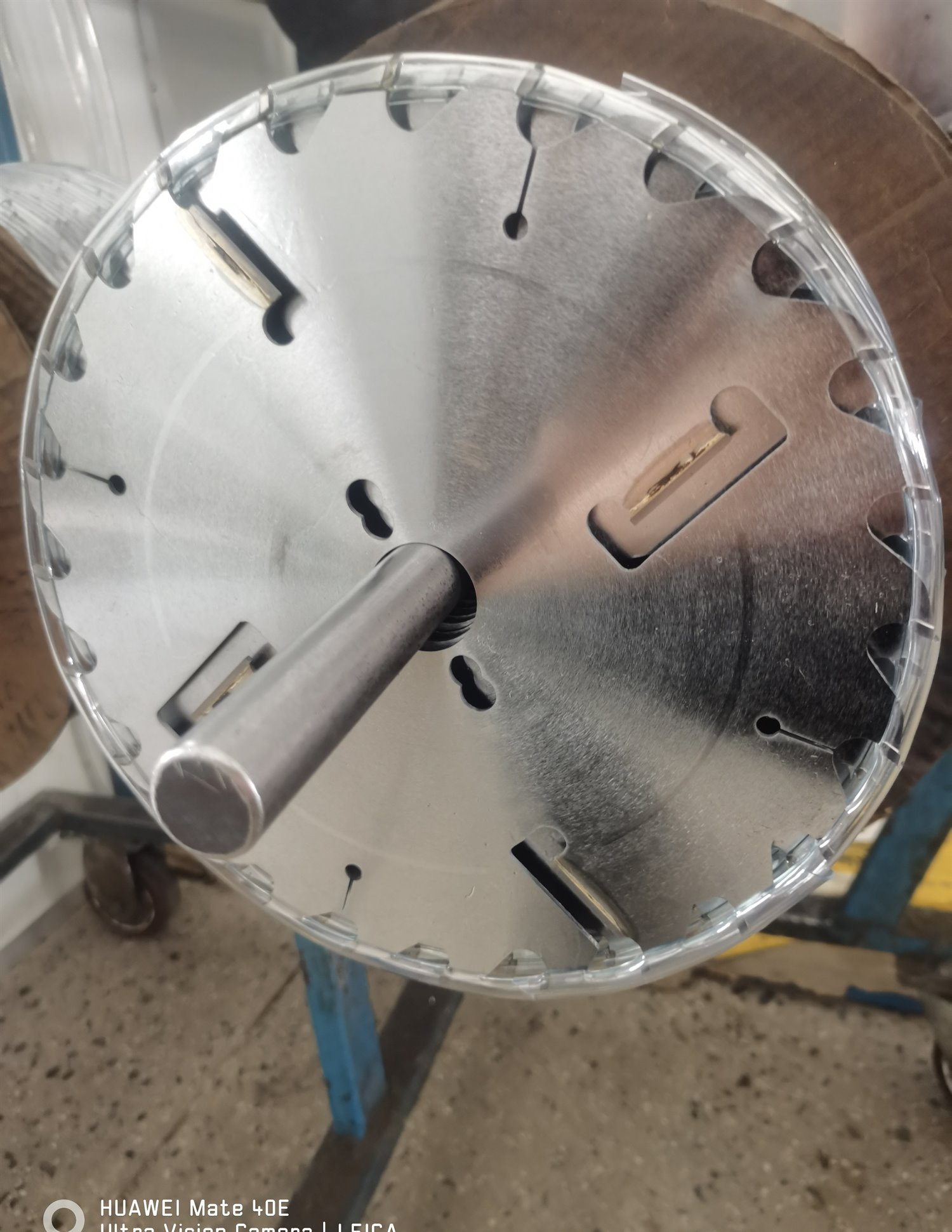
With PCD, edge quality stays constant through the run. Combined with a tooth geometry like the Kunlun teeth shape - which supports the material through the cut - that stability is what enables scoring-saw-free panel cutting with cleaner edges, panel after panel.
Cost per cut, not cost per blade
The comparison that matters is cost per cut. Divide blade price by the number of panels it processes at an acceptable quality level. PCD blades cost more but typically process many times more panels - and they remove the hidden costs of blade changes, setup time and rework. On high-volume laminated work, PCD usually wins clearly.
On low volumes, mixed materials or work where blades meet contamination, TCT remains the sensible choice: cheaper to replace, tolerant of abuse, easy to source.
A simple decision rule
Choose PCD when: volumes are high, panels are laminated or finished on one or both faces, edge quality is a hard standard, and the machine is stable and well aligned. Choose TCT when: volumes are modest, materials are mixed or unknown, blades are at risk of impact damage, or the budget is the binding constraint.
Many shops run both: PCD on the finishing line, TCT on rough sizing.
PCD is not a better blade - it is a different economic bet, and it pays when volume is high and edges matter.
ZHONGJIAN TECH manufactures PCD and carbide-tipped saw blades with the Kunlun teeth shape for woodworking, panel processing and composite cutting. Send your machine, material and size requirements to ferrytk898@gmail.com and we will confirm a blade specification and quotation.