Inside Our Manufacturing Process: From Steel to Precision Blade
Follow the journey of a ZHONGJIAN TECH blade: steel selection, cutting, CNC grinding, heat treatment, hardness and flatness inspection, and export packing.
Most industrial blade problems are born long before a blade reaches a machine - in steel selection, heat treatment or grinding. Since those processes are invisible in a finished blade, the only way buyers can judge them is by understanding what a controlled manufacturing process looks like.
This is how blades are made at ZHONGJIAN TECH, step by step, including the checks that run at every stage.
Raw material selection and incoming inspection
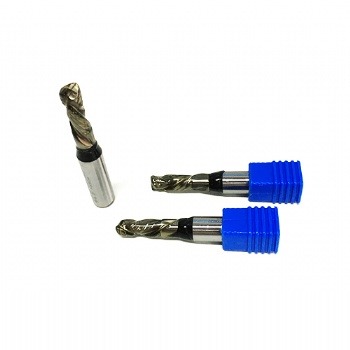
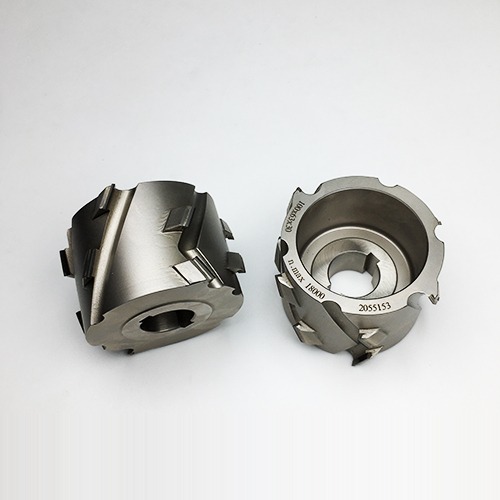
Every blade starts with the right steel for its job: D2 (DIN 1.2379) for wear resistance, M2 high-speed steel for edge retention at speed, H13 for heavy-duty and hot cutting, 9CrSi for cost-effective slitting, 420 and 440A stainless for food-grade blades, plus tungsten carbide and PCD tips for special applications. Incoming plate is checked for grade, thickness and flatness before it enters production - a blade can only be as straight as the material it starts from.
Cutting, forming and blank preparation
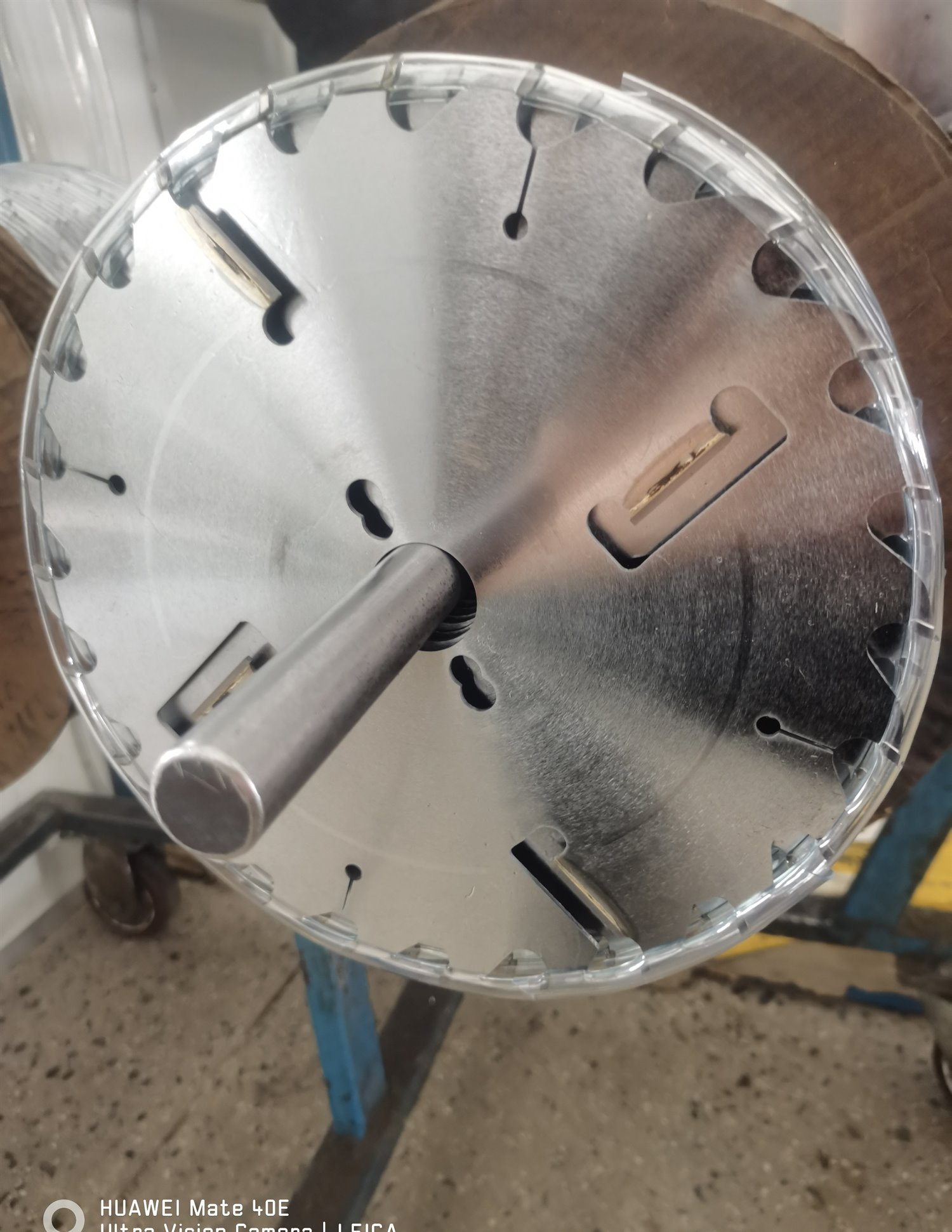
Plate is cut to size by laser or waterjet, holes and slots are positioned from the drawing, and blanks are prepared for grinding. For large circular knives such as log saw and guillotine blades, inlay construction is used: a tool steel cutting edge bonded into a high-strength alloy steel body, combining edge performance with a body that stays flat and tough under load.
Heat treatment: hardness and toughness together
Heat treatment is where the blade's personality is set. The blanks go through controlled hardening, quenching and tempering cycles matched to the steel grade, and the objective is never 'maximum hardness' - it is the right balance of hardness and toughness for the application. Each batch is hardness tested and recorded; the achieved values are part of the inspection record. Poor heat treatment commonly shows up later as chipping (too hard or stressed) or rapid edge loss (too soft), which is why this stage is controlled in-house rather than outsourced.
Precision grinding: flatness, thickness, edge
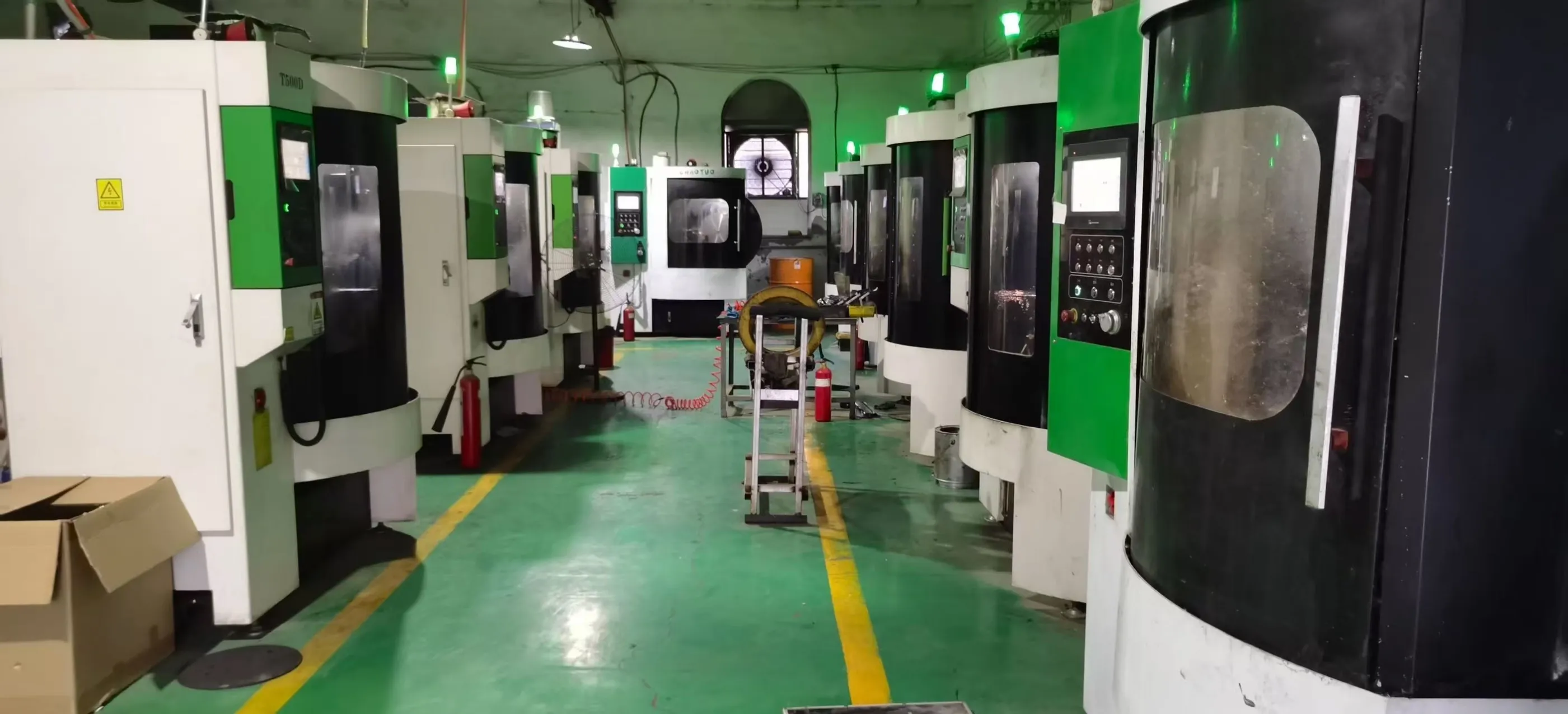
Grinding turns a hardened blank into a precision cutting tool. Faces are ground for thickness and flatness to tight tolerances, the periphery is ground to diameter and runout specifications, and the cutting edge is ground to the required angle and finish. This is the stage that decides whether a blade cuts cleanly or burrs, chatters or wanders - flatness and edge geometry are as important as steel grade. CNC grinding with measured inspection after each operation keeps results repeatable from the first blade to the thousandth.
Quality inspection and records
Finished blades are inspected against the order specification: dimensions and tolerances, hardness, flatness, edge condition and surface finish. Stainless and food-grade blades can be supplied with surface treatment such as polishing or passivation, and test records such as hardness reports are available with shipments. When a customer's line reports a problem, these records let us trace the batch and answer with data instead of theories.
Custom and OEM manufacturing flow
Custom orders follow a fixed path: drawing review (or reverse-engineering from a sample), a manufacturability check with material and hardness recommendations, production of the first article for approval where required, batch manufacturing with in-process inspection, and export packing. OEM programs add customer-branded labeling and packaging, repeat-order specification control, and scheduled deliveries against forecasts.
To start a project, send your drawing, sample or application details to ferrytk898@gmail.com. We will confirm the material and hardness specification and quote a production lead time for your quantity.