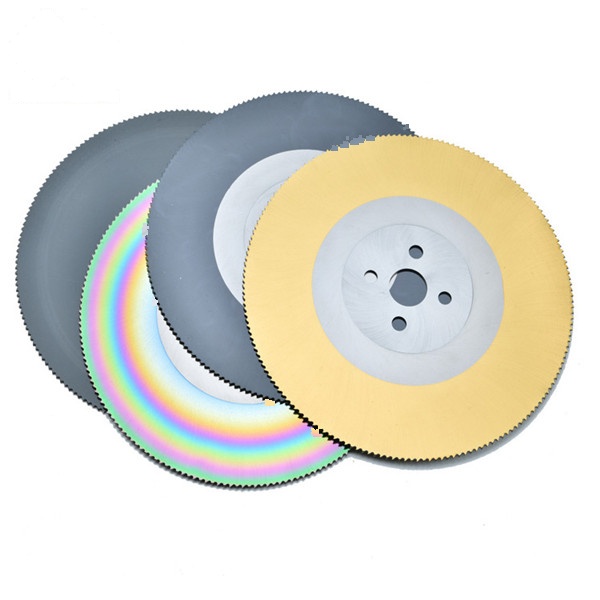
Cold saw blades and fly saw blades
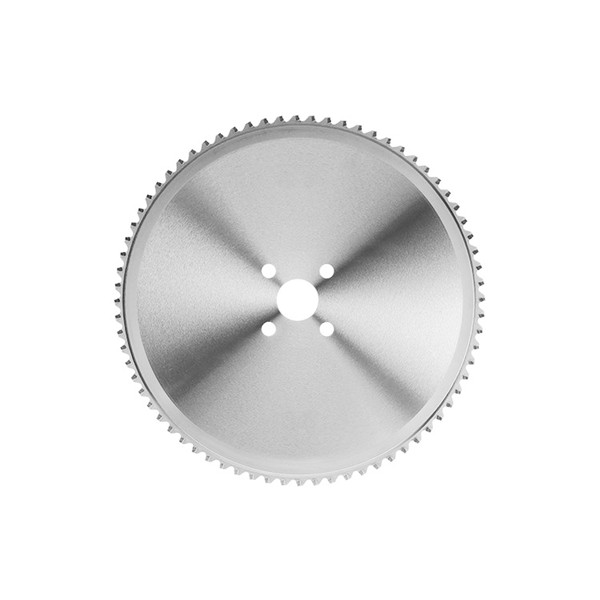
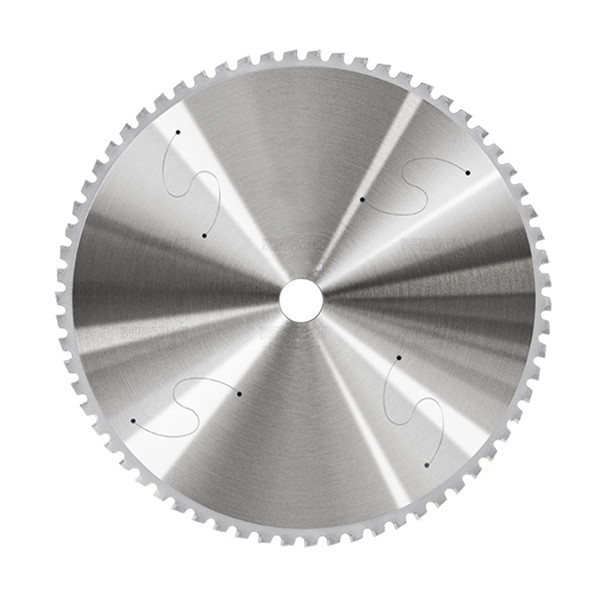
Steel Cutting Dry Cut Saw Blade for Tube, Angle and Channel
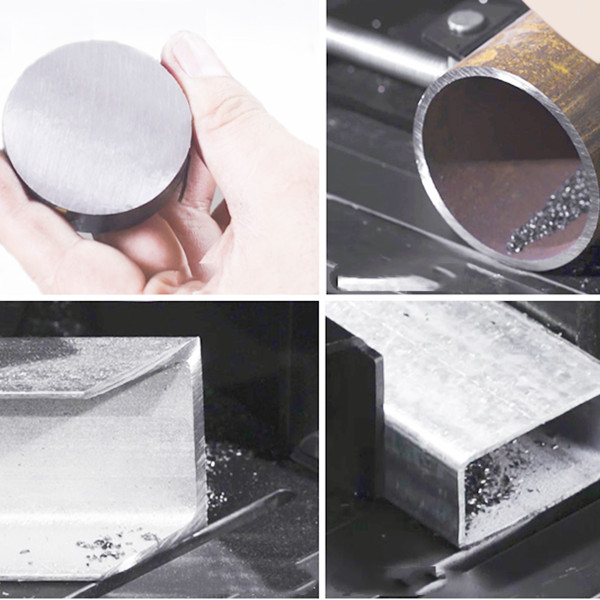
Carbide tipped dry cut saw blade for cutting steel without lubricant: tube, angle steel, C-channel, hanger rail, raceway, roof deck, stud bolts and small-diameter rod.
Specifications
- Type
- Dry cut saw blade for steel
- Material
- Higher-grade carbide tips brazed to a hardened steel body
- Cutting Method
- Dry cutting, no coolant or lubricant
- Application
- General steel, section steel, angle steel, C-channel steel, hanger rail, raceway, roof deck, pipe, stud bolts, small-diameter rod
- Cut Quality
- Clean and dry, precise, without sparks, heat or burred edges
- Grade
- Professional saw blade
- Customization
- Diameter, bore and tooth count produced to machine requirements
A dry cut saw is the portable alternative to an abrasive chop saw. It is used on site and in fabrication shops to cut steel without coolant, often by hand, often continuously through a shift. The difference in the finished edge is immediately visible: an abrasive disc burns and burrs the cut and leaves abrasive dust everywhere, while a carbide-tipped dry cut blade produces a machined edge with no sparks and no heat discolouration.
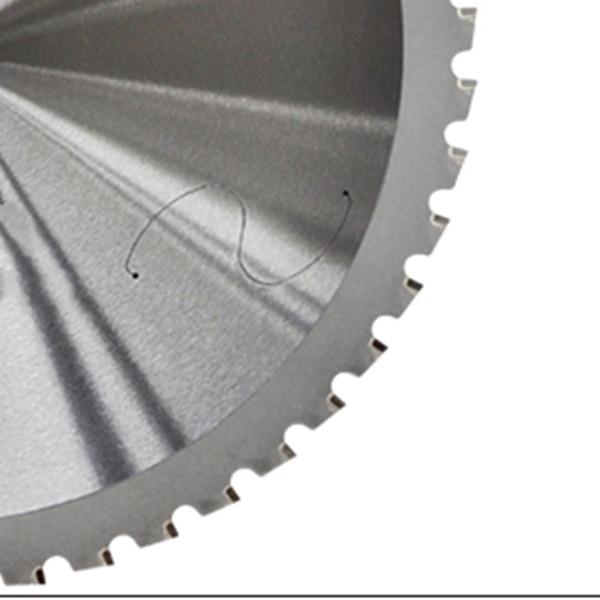
This blade is built for that duty, with higher-grade carbide brazed to a hardened steel body and a tooth form suited to ferrous steel.
Why the carbide grade matters on a dry cut
Without coolant there is nothing to carry heat away from the tooth except the chip and the surrounding air. A dry cut blade therefore lives or dies on the carbide grade and the braze behind it. The grade used here is selected to hold its edge at the temperatures a dry cut reaches, and to survive the interrupted cut that angle, channel and tube present.
The braze joint is the second weak point. A tooth that is brazed with an ordinary filler will let go before the carbide wears out. Higher-grade brazing keeps the tip seated through the thermal cycling of cut after cut.
What it cuts
General steel, section steel, angle steel, C-channel steel, hanger rail, raceway, roof deck, various pipe, stud bolts and small-diameter rod. These are the everyday materials of electrical, mechanical and structural installation, and they share one property: thin walls or small sections that an abrasive saw would burn or burr.
Dry cutting technique
Let the blade come to full speed before the teeth touch the material, clamp the workpiece on both sides of the cut, and feed at a steady rate rather than forcing. A dry cut blade cuts by chip removal, so it needs a steady chip load - too light a feed polishes the edge instead of cutting it, and too heavy a feed overloads the teeth.
The blade gets warm in continuous use, which is normal. What is not normal is heat discolouration spreading back from the teeth, which means the feed or the speed is wrong for the material.
How to specify the blade
The machine sets the diameter and bore, and the range of material sets the tooth count: thin-wall tube and angle need a finer tooth than solid rod. If you are replacing a blade, send the old blade dimensions and the materials you cut most often, and we will confirm the specification.
A dry cut blade replaces the abrasive disc, the sparks and the deburring - in one change.
ZhongJian Tech manufactures TCT, PCD and HSS circular saw blades for metal and panel cutting in Futian Town, Anyuan District, Pingxiang City, Jiangxi Province, China. Send the material you cut, the machine make and model, and the blade size you run now, and we will confirm the specification and quotation. Email ferrytk803@gmail.com, phone / WhatsApp +86 13617995900.
Frequently asked questions
What do I check before ordering?
Match three things against the machine: the outer diameter against the saw’s capacity, the bore and pin holes against the spindle, and the tooth geometry against the section being cut. The bore is easy to measure; the pin holes are where machines of the same brand often differ. Where the arbor differs, the same tooth geometry is built to your spindle rather than you adapting the machine.
Which materials does it cut?
General steel, section steel, angle steel, C-channel steel, hanger rail, raceway, roof deck, pipe, stud bolts, small-diameter rod. Stay inside that range: a blade run in harder or more abrasive material than it was ground for loses its edge quickly, and the cut quality drops before the edge visibly fails.
What should I quote when I inquire?
Steel Cutting Dry Cut Saw Blade for Tube, Angle and Channel — plus the quantity and the machine make and model. Those three are enough to confirm the specification, the minimum quantity for the size and the production lead time in the quotation. When replacing a worn blade, a photograph of the marking stamped on the old blade shortens the check further.