KUNLUN Saw Blades
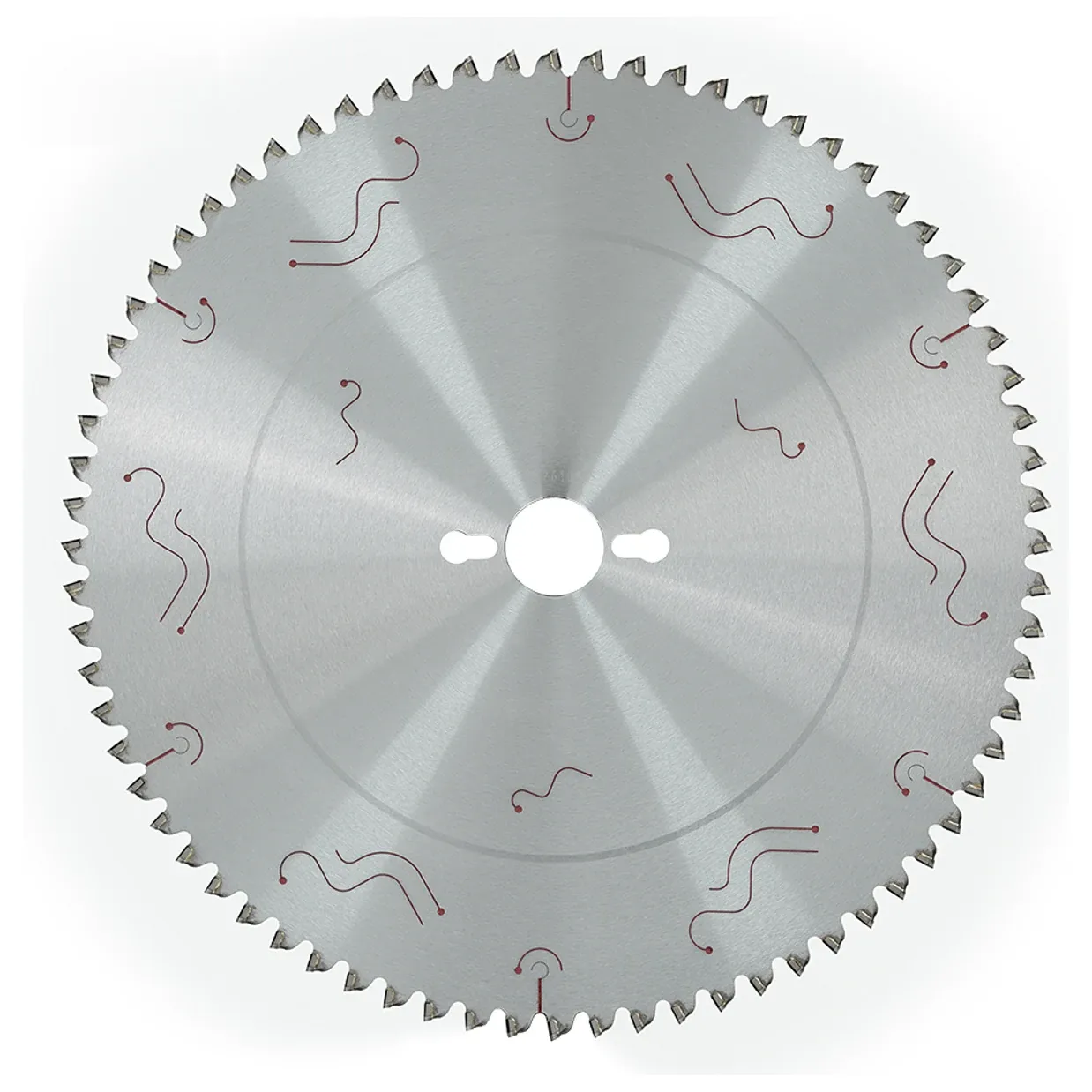
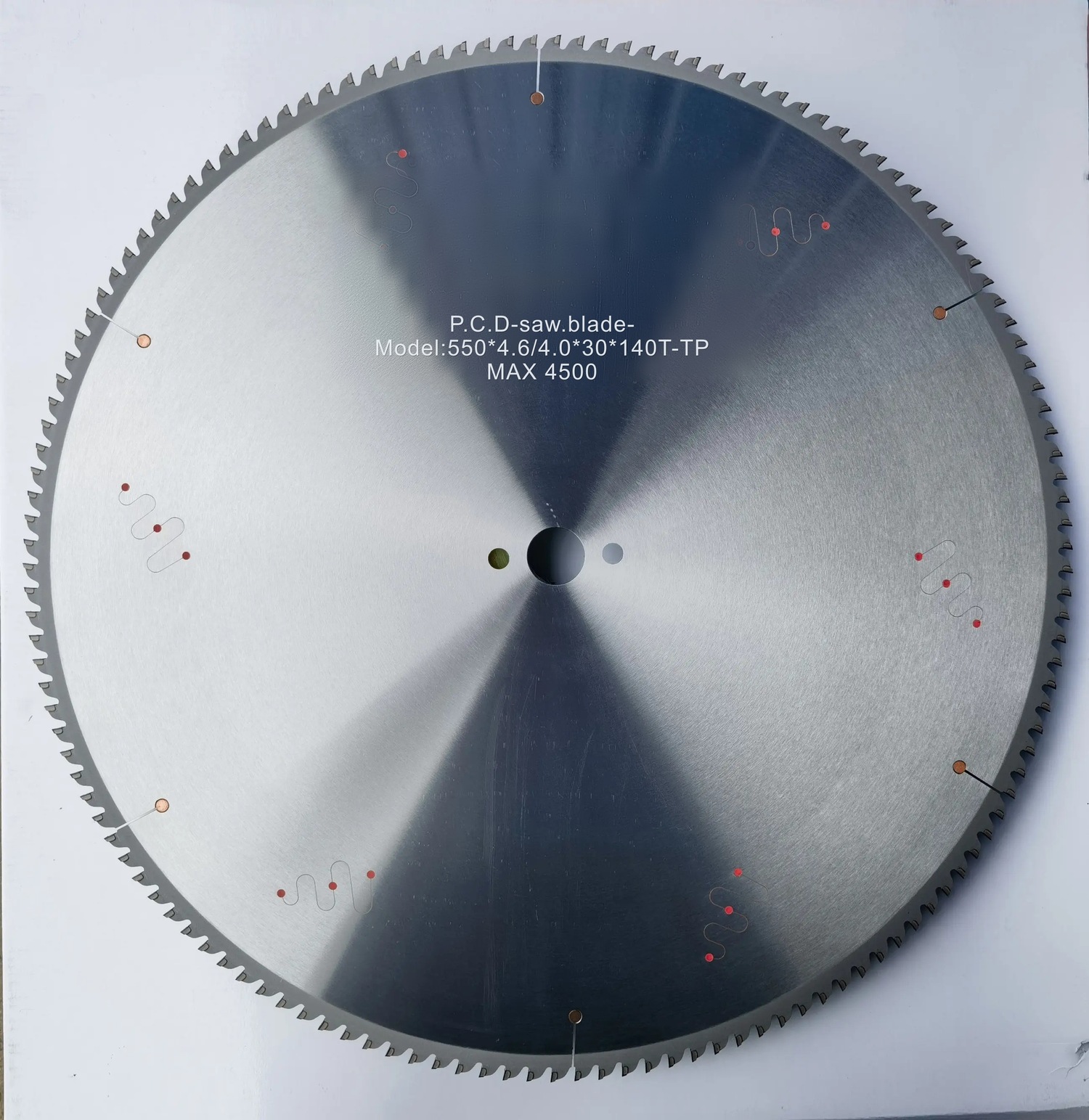
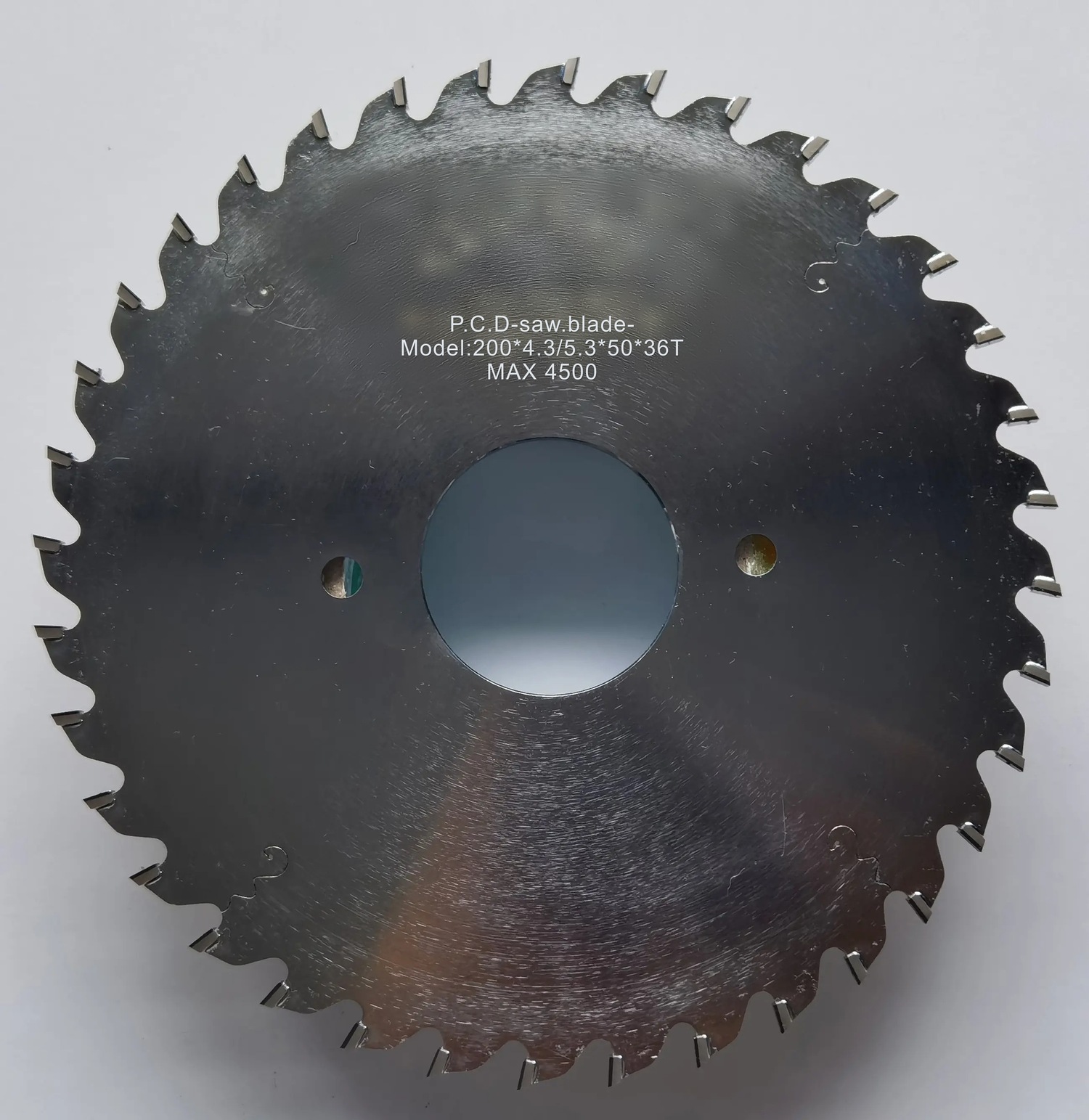
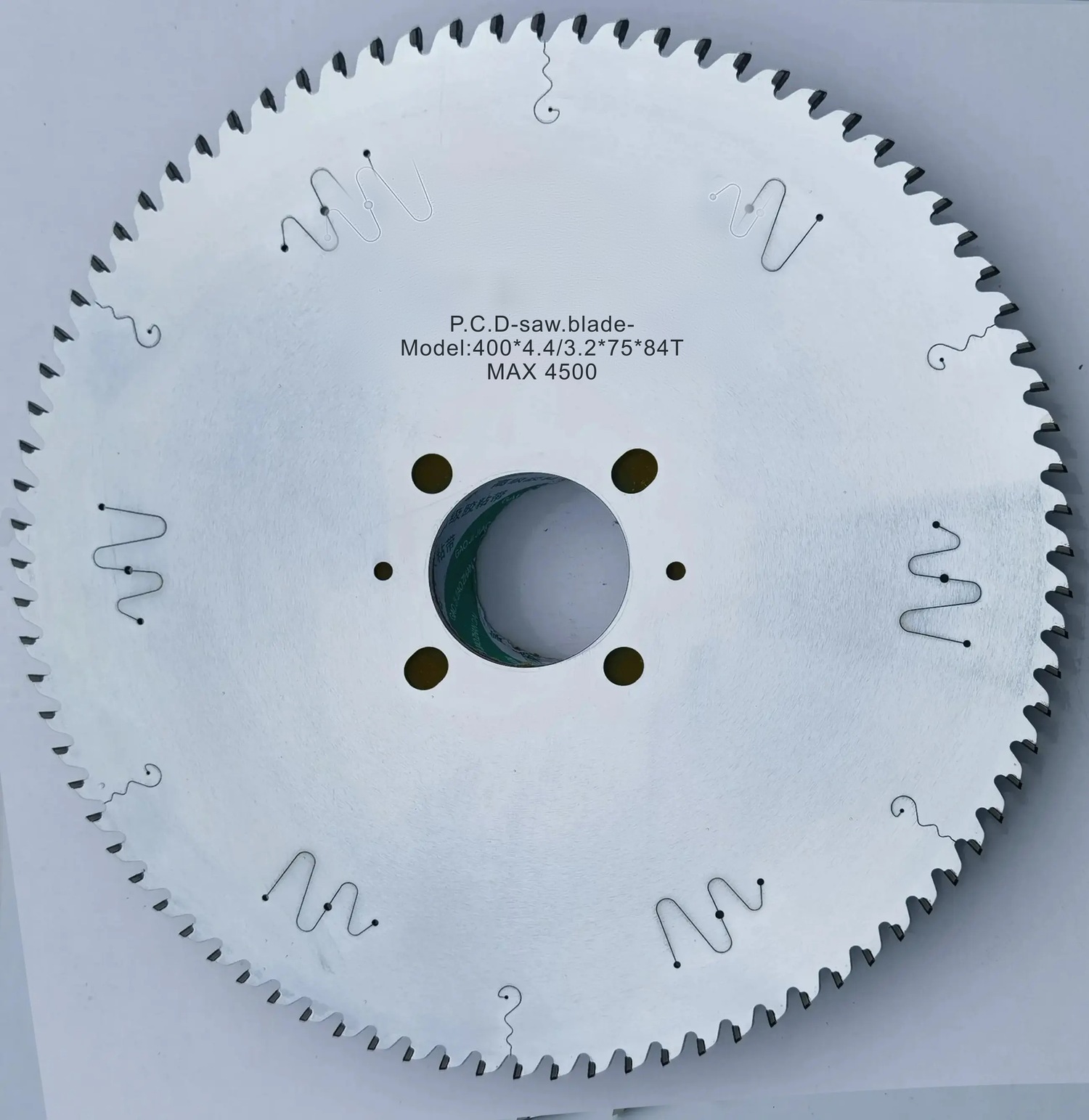
KUNLUN Pagoda, Flat and TP PCD Saw Blades for Woodworking Panels
PCD polycrystalline diamond circular saw blades for woodworking panels. Pagoda (Kunlun), flat and trapezoidal tooth shapes cut single or double-sided melamine, HPL and veneered board with a clean finish on both faces, without a scoring saw.
Specifications
- Tip Material
- PCD (polycrystalline diamond)
- Tooth Shapes
- Pagoda (Kunlun), flat, trapezoidal (TP)
- Application
- Single or double-sided melamine, HPL, veneered and laminated panels
- Key Feature
- Clean finish on both faces without a scoring saw
- Body
- High-strength alloy steel plate, hardened and tensioned
- Diameter Range
- 120 mm to 550 mm (made to order)
- Bore
- 20 mm, 22 mm, 25.4 mm, 30 mm, 50 mm, 60 mm, 75 mm, 80 mm
- Machine
- Panel saw, beam saw, sliding table saw, CNC nesting router
A PCD circular saw blade cuts engineered board with diamond tips instead of carbide. On melamine, HPL and veneered panels that difference is not cosmetic: a diamond tip keeps its geometry through hundreds of thousands of metres, so the cut face stays chip-free long after a carbide blade would have started tearing the laminate.
These blades are built for panel furniture production — kitchen and wardrobe carcasses, office furniture, shop fitting — where the edge is visible and a scoring unit is either unavailable or too slow.
Tooth shapes and what each one does
Pagoda (Kunlun) tooth: a stepped, conical profile that pre-trims the panel faces so a single blade produces a clean edge on both sides, allowing scoring-saw-free cutting.
Flat tooth (P): the fastest rough cross-cut geometry, used where finish is secondary and chip clearance matters.
Trapezoidal-flat (TP): alternating trapezoid and flat teeth, the standard geometry for laminated and veneered panels where both the top and bottom face must stay intact.
Why PCD instead of TCT on panels
Engineered board is abrasive. MDF and chipboard carry mineral fillers that wear a carbide edge quickly, and melamine is a hard, brittle surface layer that chips the moment the edge dulls. PCD holds an edge for months of production, which removes blade changes from the maintenance plan and keeps edge quality constant across a shift.
The trade-off is price per blade and a slightly more careful handling requirement — a diamond tip is hard but brittle, so impact with a nail or a clamp will damage it.
Diameter, kerf and bore
Blades are produced from 120 mm to 550 mm, with kerf and plate thickness matched to the machine and the panel: a thin kerf saves material on a beam saw, a heavier plate is needed on a large diameter at production speed. Common bores are 20, 22, 25.4, 30, 50, 60, 75 and 80 mm, with pin holes and drive keyways cut to the machine arbor.
Specifying the right blade
Send five values: outer diameter, kerf, plate thickness, bore and tooth count, plus the panel material and whether both faces are laminated. The machine make and model then confirms the arbor and the maximum speed. If you are replacing an existing blade, the markings stamped on the old body are the fastest reference.
On laminated panels the blade does not just cut the board — it decides whether the joint is visible.
ZhongJian Tech manufactures PCD diamond and TCT carbide circular saw blades, cold saw blades and diamond stone-cutting blades in Futian Town, Anyuan District, Pingxiang City, Jiangxi Province, China. Send your blade diameter, bore, kerf, tooth count and machine model for a specification and quotation. Email ferrytk803@gmail.com, phone / WhatsApp +86 13617995900.
Frequently asked questions
Does this cutter fit my edgebander?
The bore is 20 mm, 22 mm, 25.4 mm, 30 mm, 50 mm, 60 mm, 75 mm, 80 mm and the machines it is built for are Panel saw, beam saw, sliding table saw, CNC nesting router. Four values decide the fit — outer diameter, height, bore and Z layout — and the machine brand narrows the choice without replacing the measurement. Check the bore and the keyway against your spindle before ordering.
Is it a direct replacement for the OEM part number?
Send the part number engraved on the existing head together with the machine make and model, and the specification is cross-referenced against it.
What happens when the cutting edges dull?
The cutting edges are PCD (polycrystalline diamond). A dull head shows up first as a rougher edge, then as a glue line that opens on every panel. Deal with it on condition rather than on a fixed calendar, because the wear rate depends on the panel material and the feed rate.
Which panels does it cut cleanly?
Its application is single or double-sided melamine, HPL, veneered and laminated panels. The requirement in every case is the same: no chipping on the top and bottom face, because the banding covers the edge and not the face. Feed rate, spindle speed and cutter condition all have to match for that to hold.