Oct 5, 2026
Blade Selection for Woodworking and Recycling Machines
From panel saws to granulators: match blades to woodworking and recycling machines for clean cuts, longer life and less downtime.
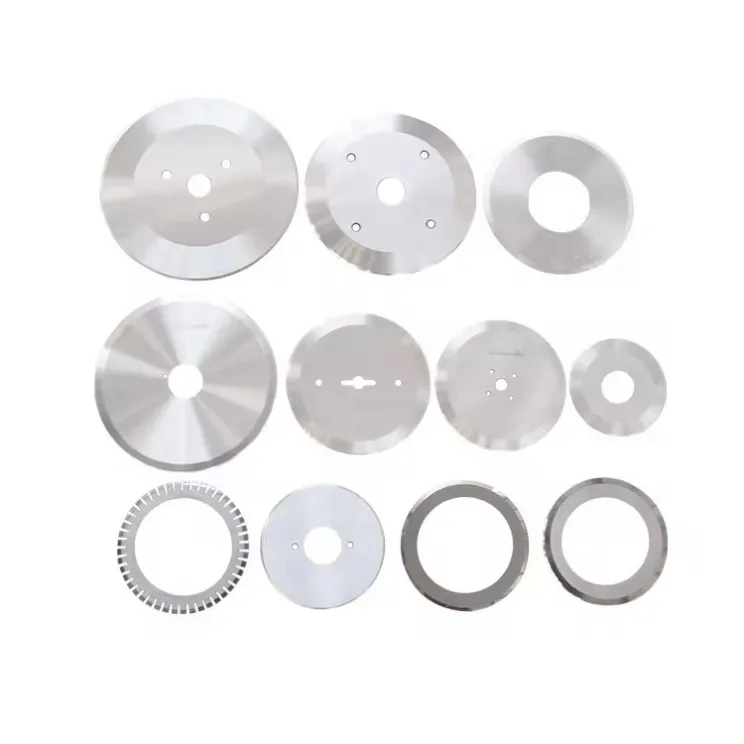
Woodworking and recycling look like different industries, but from the blade's point of view they ask the same question: does the cutting tool match the machine and the material? Get that right and you get clean cuts, stable output and long service life. Get it wrong and you get waste, heat and unplanned stops.
Woodworking: tooth geometry comes first
Wood materials differ in density and abrasiveness, and the tooth geometry should follow. Carbide-tipped teeth handle hardwoods and abrasive boards where plain steel loses its edge quickly. Alternate top bevel (ATB) grinds shear cleanly and reduce tear-out on cross cuts and veneered faces, while flat and combination grinds clear chips faster in ripping work. Higher tooth counts produce finer finishes in MDF and chipboard; lower counts clear heavy chips in solid timber.
The blade body matters as much as the teeth: a hardened, tensioned plate resists deflection at feed speed, and deflection is one of the quiet causes of inconsistent cuts. For laminated panels, check that the blade is designed for the decorative face, not just the core.
Recycling: shock resistance first
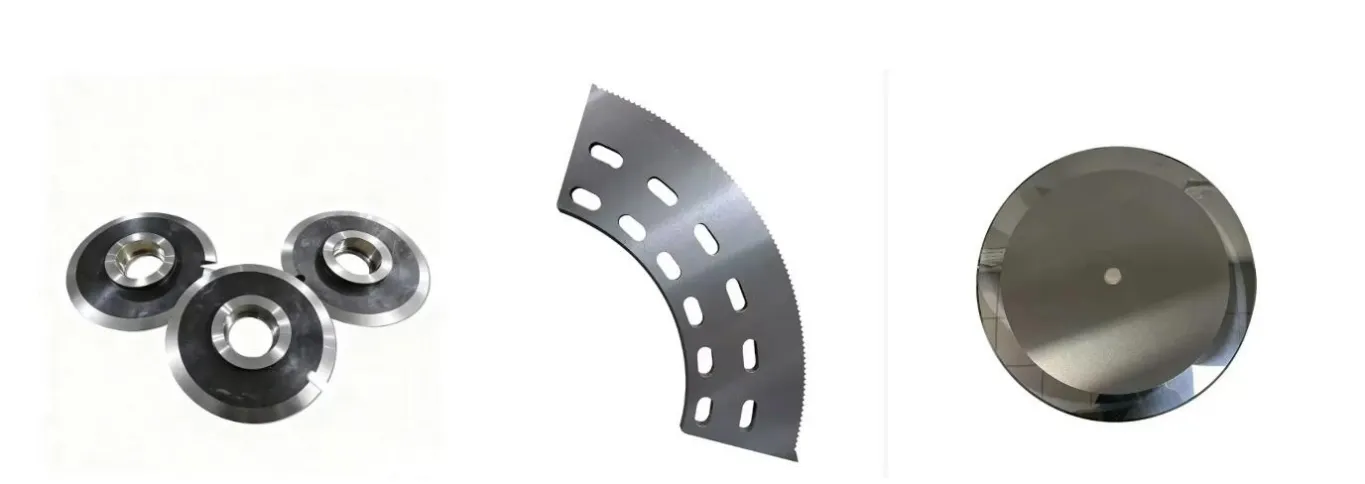
Recycling machines see feedstocks that vary by the hour - film, rigid plastics, wood waste, mixed contamination. Blades here are chosen for shock resistance and wear life in balance: enough toughness to survive stones, wire and lumps without chipping, enough hardness to stay productive between changes. Segmented and heavy-section knife designs spread impact loads, and replaceable or indexable cutting sections reduce the cost of wear. Where contamination is unavoidable, the maintenance plan must assume it.
The rules that apply to both
Three constants run through every good blade selection. Dimensional fit: mounting holes, thickness and flatness are functional requirements, not details. Speed matching: the blade must be rated for the machine's operating speed. And consistency: blades bought as a set should be interchangeable, batch after batch, so that a change does not change the cut. Ask any supplier how they control grinding tolerances and hardness, and expect records rather than reassurance.
Sustainability is a by-product of doing this well
Every blade that can be re-sharpened repeatedly instead of replaced is material saved and waste avoided. Choosing blades that tolerate multiple grinds, and running a disciplined sharpening schedule, is both a cost decision and an environmental one - cleaner cuts mean less rejected material, and longer blade life means less steel consumed.
ZHONGJIAN TECH manufactures circular saw blades, machine knives and heavy-duty cutting components for woodworking and recycling equipment. Send your machine and material details to ferrytk898@gmail.com and we will confirm a specification and quotation.