Oct 5, 2026
Print and Packaging Trends: What They Mean for Cutting Tools
Print finishing and packaging automation raise the bar for cutting tools. What converters should watch in blade technology and maintenance.
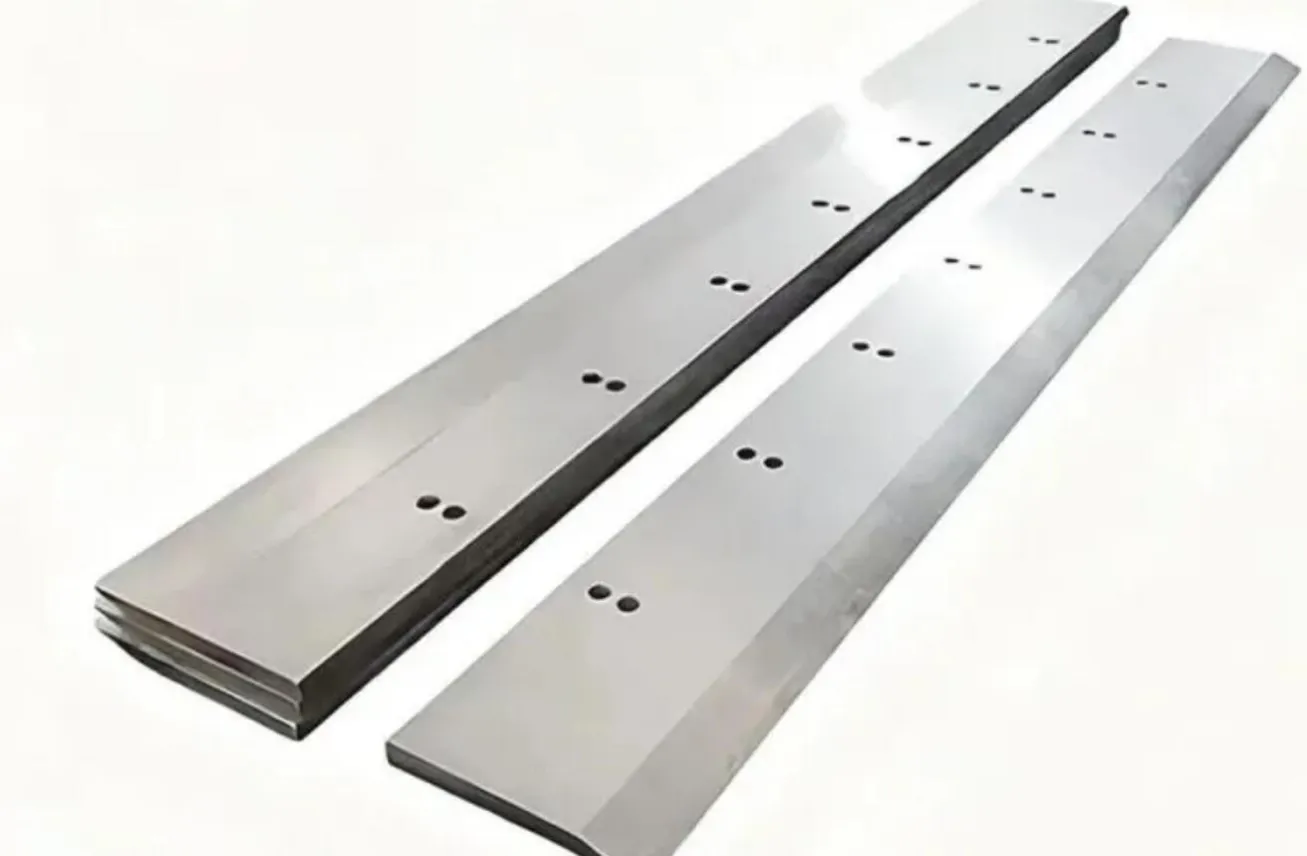
Print and packaging production keeps moving in one direction: faster, more automated, more demanding on every consumable - including the blades. The two industries between them run everything from high-speed guillotine cutters and slitters to die-cutting, trimming and log-saw cutting for tissue, and each station rewards tools specified for the exact material and speed it faces.
Faster machines, thinner margins
As press and finishing speeds climb, the operating window for cutting tools narrows. A blade that runs acceptably at moderate speed generates dust, wander and trim rejects at high speed - because every defect, from edge angle drift to flatness deviation, scales with velocity. Cutting stations in modern finishing lines therefore need blades specified for the machine's top speed, not its average, with flatness and thickness tolerances treated as production requirements.
Where automation raises the stakes
Automated lines adjust themselves around a consistent blade; they cannot compensate for an inconsistent one. The practical consequence: batch-to-batch consistency - the same dimensions, the same hardness, the same edge geometry, order after order - becomes more valuable than any single-blade performance claim. Converters running unmanned or lightly attended shifts should test this directly: measure new blades from successive batches, not just the first sample.
Technology directions to watch
Three areas are moving. Edge micro-geometry - more precise control of edge angle and surface condition, delivering cleaner cuts with less dust on paper, board and film. Cutting materials - tungsten carbide inlays and advanced tool steels where guillotines and slitters need longer intervals between sharpenings, and indexable or replaceable-edge designs for slitting positions where changing the whole blade wastes value. And, quietly, the maintenance side: blade-life monitoring and scheduled sharpening programs that treat blades like the precision instruments they are rather than failure-prone consumables.
What converters should do now
Before the next machine upgrade or blade re-order, write down the specifications that actually matter to your line - material mix, running speed, trim quality targets, and hours between blade changes. Then require them in writing from every supplier, with batch records on delivery. That single habit turns blade supply from a recurring surprise into a controlled cost.
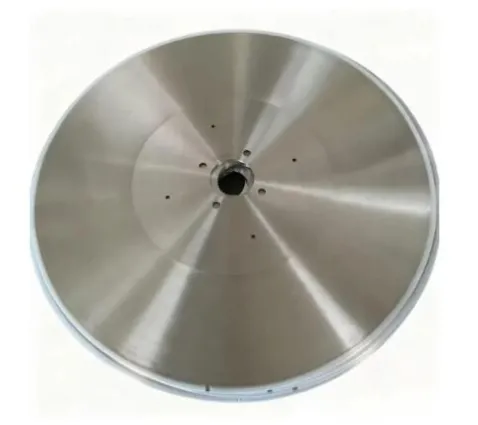
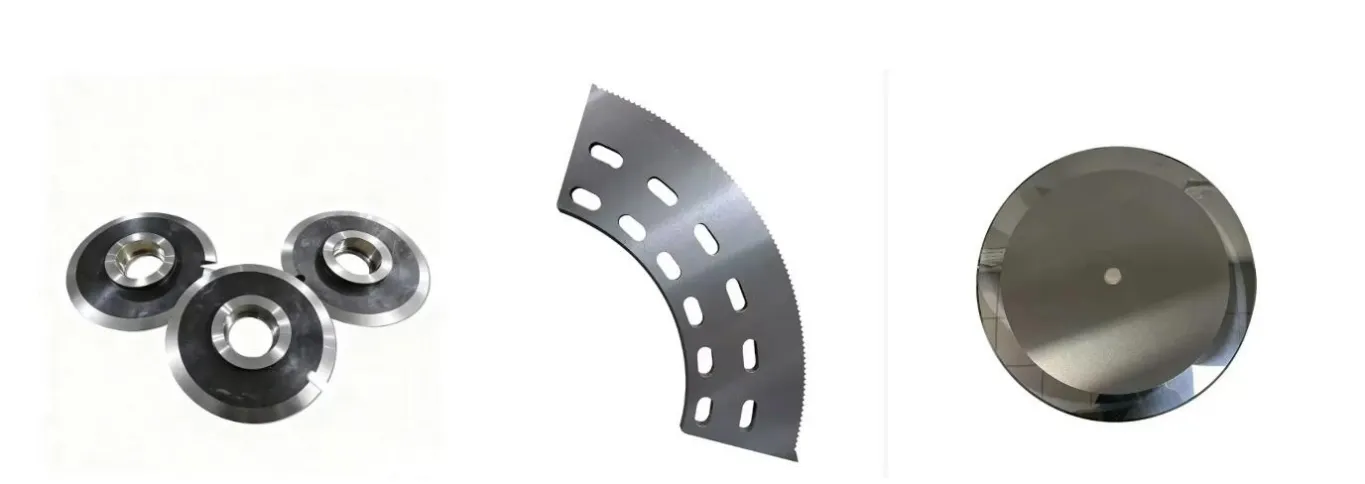
ZHONGJIAN TECH produces guillotine, slitting, trimming and log saw blades for printing and packaging lines in tool steel, HSS and carbide options. Send your machine and material details to ferrytk898@gmail.com for a specification and quotation.