Oct 5, 2026
How to Read a Blade Specification Sheet
Diameter, thickness, grade, hardness, coating: a field guide to blade specification sheets so you can compare quotes fairly.
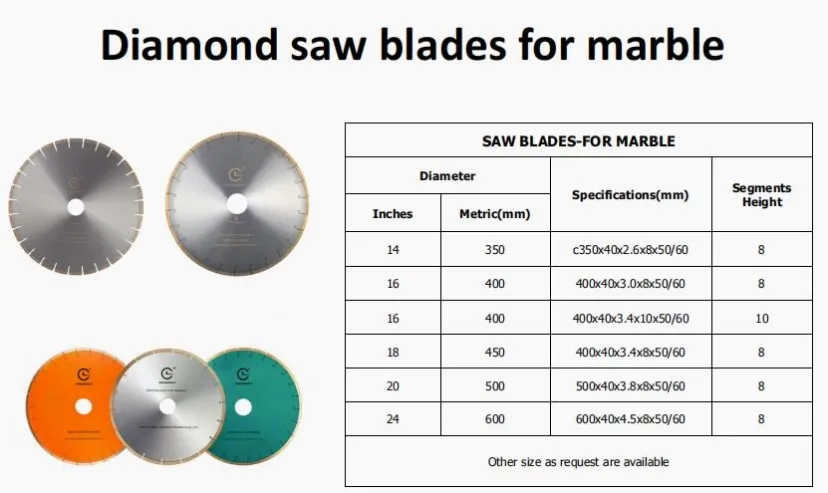
Blade quotations are hard to compare until you read them like a specification sheet. Two prices for 'the same blade' often describe different objects: one holds a real tolerance, the other hopes you will not measure. Reading spec sheets properly is one of the highest-value habits in blade procurement - it turns a price comparison into an engineering comparison.
The fields that matter
Dimensions and tolerances come first: outer diameter, thickness, bore, and the tolerances attached to each. A diameter without a tolerance, a thickness without a limit, and a bolt circle without positional requirements are assumptions waiting to become rework. Flatness deserves its own line - on many cutting operations it decides more than any other single number. Next, material grade, stated in a standard designation (for example D2 in DIN or AISI terms) so that different suppliers' names map to the same steel. Then hardness: give me a range, and the test method. Then edge geometry: edge angle, bevel type, and for toothed blades the tooth profile and count. Finally, surface treatment - coating types where used, or the finish standard for food-grade and polished blades.
Common traps
Watch for hardness quoted as a single number with no method - it is unverifiable as written. Watch for mixed unit systems between documents; a thickness in inches on one page and millimeters on the next has produced real manufacturing errors. Watch for grade aliases that sound exotic but map to no standard steel - ask for the equivalent designation. And watch for missing runout or concentricity figures on circular blades, where they directly control vibration and cut quality.
Comparing quotations fairly
Normalize before comparing: write each quote into the same template - dimensions with tolerances, grade with standard, hardness with method, edge spec, finish, packing, and price validity. Any supplier unwilling to fill in the blanks is answering the question for you. Where a quote is cheaper, you should be able to say exactly why: a milder grade, a wider tolerance, a different finish. That is not automatically wrong - it may be right for a less demanding position on the machine - but it should be a decision, not a surprise.
Ask for data with the quote
Make it standard practice to request the spec sheet and inspection data with every quotation, and the batch records with every shipment. Suppliers who work this way lose nothing - and the ones who resist are the reason the practice exists. ZHONGJIAN TECH quotes with full specifications and ships production with inspection records. Send your blade requirement to ferrytk898@gmail.com for a quote you can compare line by line.