Oct 5, 2026
Sugarcane Harvester Blades: Specifying Alloy Steel for Harvest
Sugarcane harvesting punishes blades with silica, stones and speed. Learn how alloy steel choice and edge geometry keep harvesters cutting.
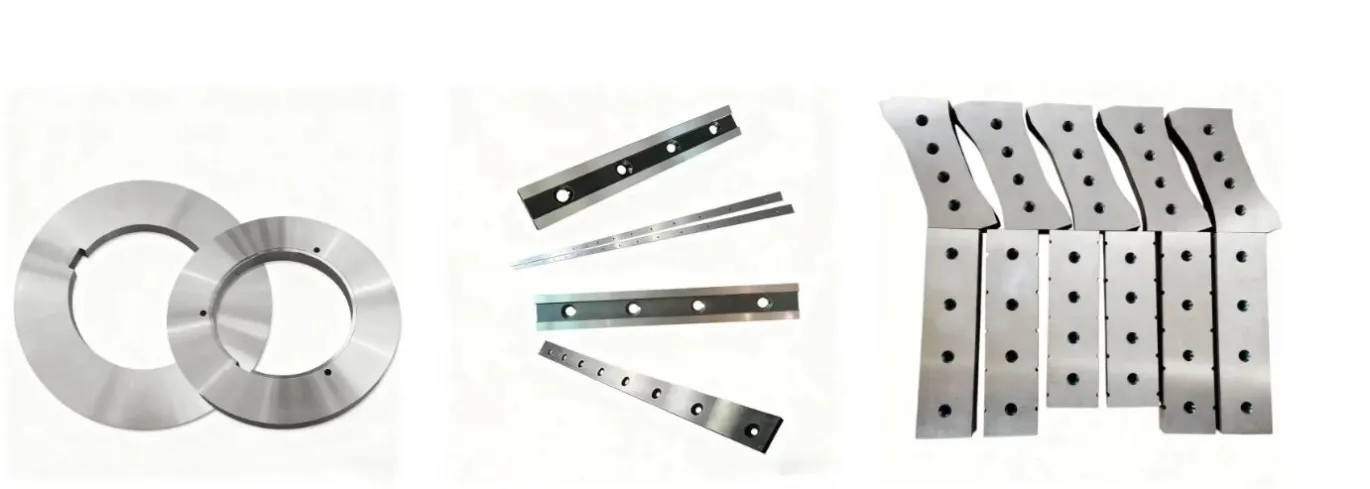
Sugarcane is one of the harshest crops a machine can cut. The stalks carry abrasive silica, the fields hide stones, and harvest runs at high speed for weeks at a time. Standard carbon steel blades blunt quickly, snap on impact and quietly raise fuel consumption - because a dull blade makes the whole machine work harder.
Why carbon steel blades fail
Sugarcane knives commonly fail in three ways. Rapid blunting: silica in the stalk grinds the edge down and forces constant resharpening. Brittleness and breakage: when a blade meets a stone or dense root, low-toughness steel cracks - sometimes taking the drum with it. Rising operating cost: dull edges increase cutting resistance, which shows up as higher fuel use and extra wear on the drive line.
What to specify instead
The practical answer is an alloy steel blade with a controlled heat treatment that balances hardness and toughness. The cutting edge needs wear resistance for silica; the body needs toughness for impacts. Ask for the achieved hardness range as a recorded value, not a promise, and confirm that heat treatment is done in-house with batch records - the balance between hardness and toughness is decided there, not in marketing.
Edge geometry and re-sharpening
Edge angle decides how the knife behaves. A finer edge cuts sweetly but chips; a blunter, more robust edge survives stones but costs power. Most plantation machines settle on a geometry chosen for their crop and conditions, and the fastest way to get there is to send the current blade, or its drawing, to the supplier along with a description of how it failed. Also plan for re-sharpening: quality knives tolerate multiple grinds without changing their edge angle - a key measure of value over a harvest.
The economics: uptime beats unit price
In a harvest window, the expensive blade is the one that fails mid-shift. Track blade life in hectares or operating hours per set, keep a spare re-sharpened set for each drum position, and inspect edges for chips whenever the machine stops for fuel. That discipline converts blade changes from emergencies into scheduled maintenance.
Ordering for the season
Plan replacements before the harvest starts, not after the first failure. Send the machine make and model, the knife position or part number, your crop conditions and typical tonnage. ZHONGJIAN TECH produces heavy-duty harvester and agricultural machine knives in alloy steels with controlled heat treatment. Contact ferrytk898@gmail.com with your requirements and we will confirm a specification and quotation.