Oct 5, 2026
Slicer Blades for Food Processing: Yield, Hygiene and Edge Quality
Slicer blades decide yield, slice quality and hygiene on food lines. Learn how to specify edge geometry, materials and surface finish.
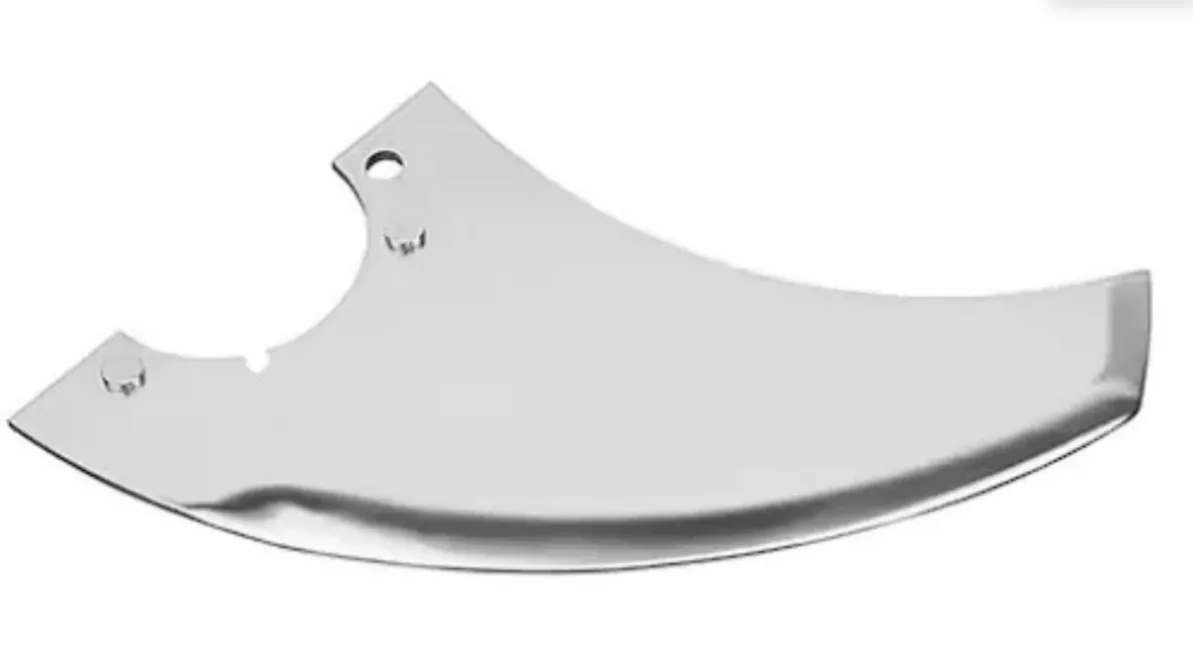
On a food processing line, the slicer is where yield is won or lost. A sharp, correctly specified blade delivers uniform slices and minimal waste; a worn or badly matched one tears product, raises machine load and creates the hygiene problems that audits find. Blade selection is one of the cheapest ways to protect margin on a slicing line.
What slicer blades actually decide
Four things. Slice consistency - thickness and surface quality that downstream packing depends on. Yield - ragged edges and deformation become trim loss. Hygiene - the blade is a food-contact surface and must clean down fast. And machine load - a dulling blade increases cutting resistance long before it fails.
Geometry: match the edge to the product
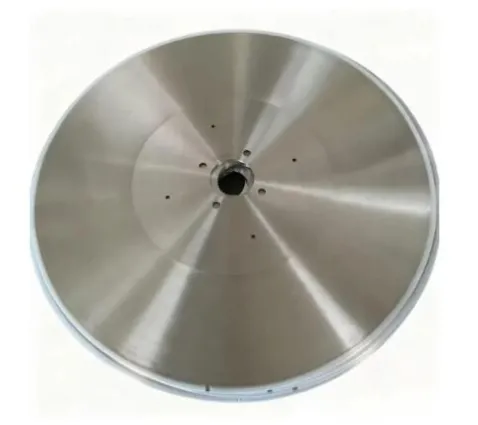
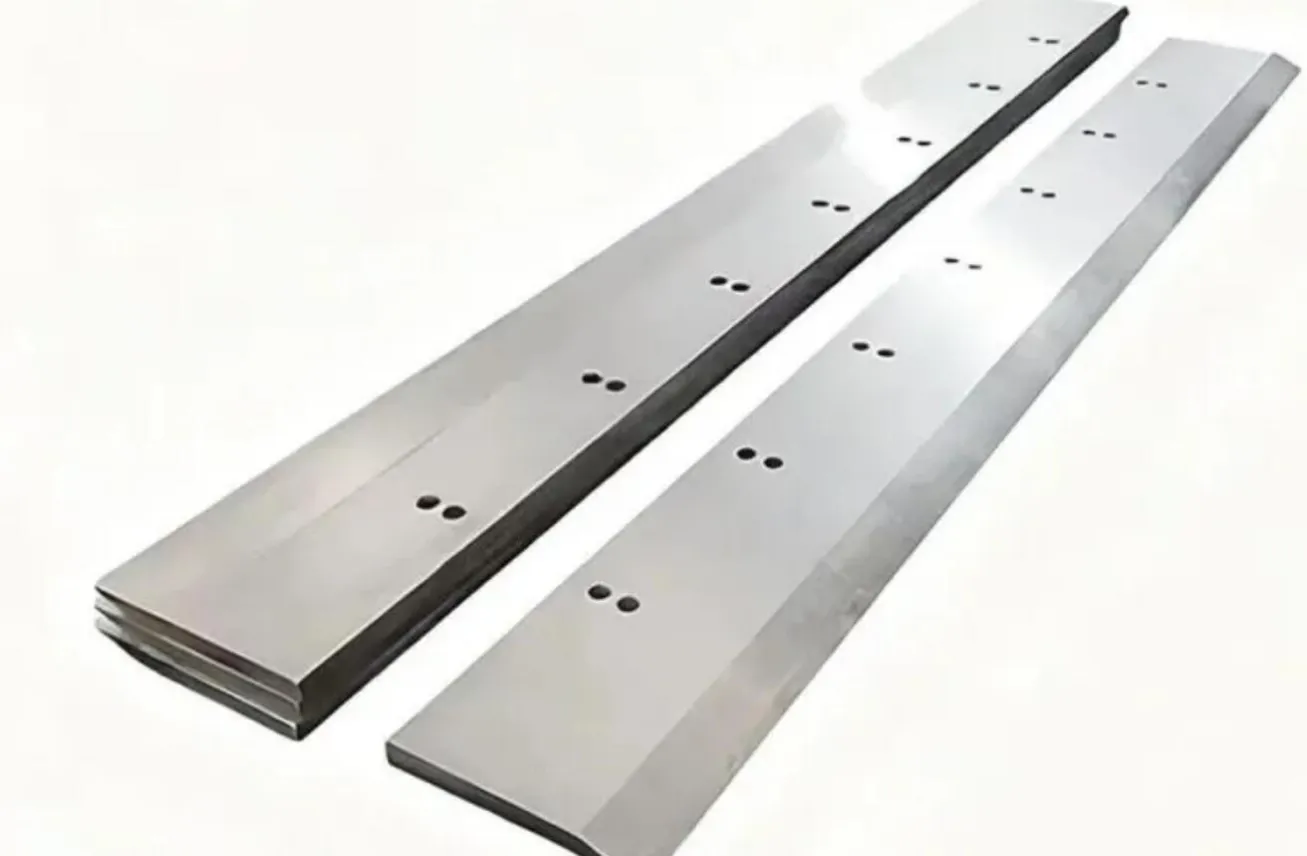
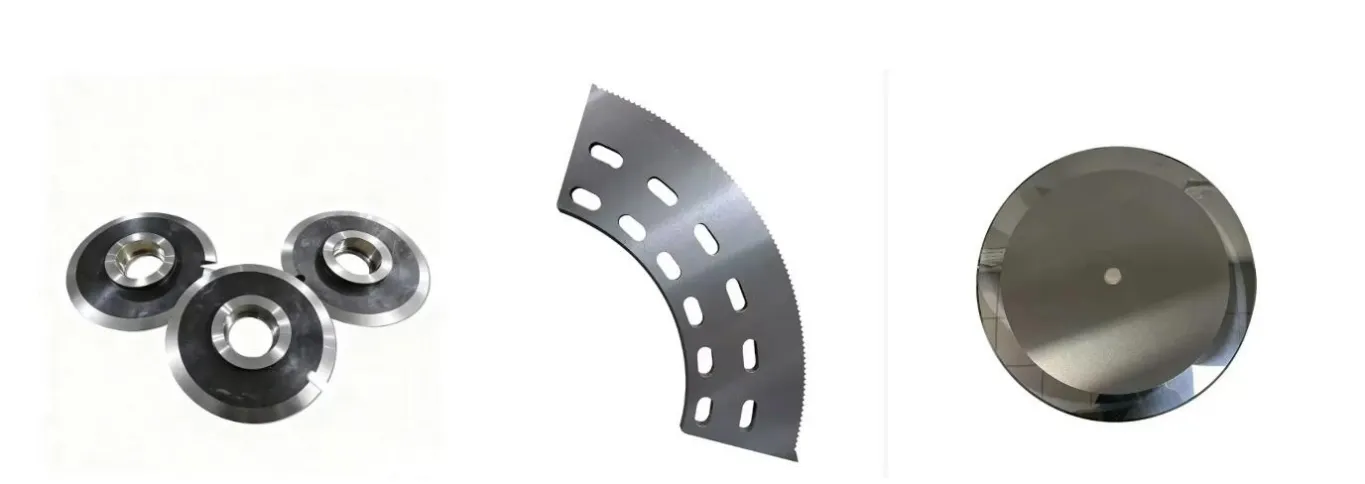
Different products want different edges. Cooked meats and cheeses favor fine, polished edges that shear cleanly; vegetables and frozen products often run serrated or micro-serrated profiles that bite without crushing; portioning and multi-blade systems need blades made as matched sets so that one out-of-tolerance blade does not put every slice out of spec. Thickness tolerance and flatness are functional requirements here - a blade that deflects under load produces slices that vary across the cut.
Materials and surface finish
Food environments combine moisture, fats and daily washdowns, so food-grade stainless steels - typically 420, 440A and 440B - are the standard starting point, with higher-alloy grades where wear demands it. Surface finish matters as much as the grade: fine-polished or passivated surfaces resist product adhesion, clean faster and give the blade a longer working life between services. For hygiene-led programs, uncoated stainless designs avoid any coating layer on a food-contact surface.
Plan the replacement cycle
Watch for the early signals: slice faces turn ragged, machine load rises, product deforms instead of separating. By the time a blade visibly fails, quality has already drifted for days. Keep a sharp spare set per machine position, rotate sharpening on a schedule based on production hours, and inspect alignment every time the blade is changed - set alignment is a common cause of quality problems that get blamed on the blade.
Specifying for your line
Send the product and its temperature, the machine model and blade position, a drawing or sample blade, and your sanitation requirements. ZHONGJIAN TECH produces food processing and slicer blades in food-grade stainless steels with polished, easy-clean surfaces. Contact ferrytk898@gmail.com and we will confirm a specification and quotation for your line.