Oct 5, 2026
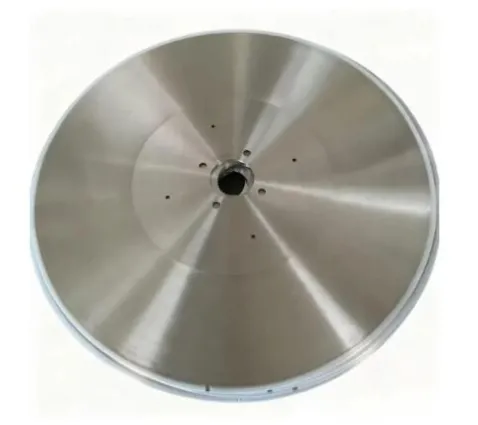
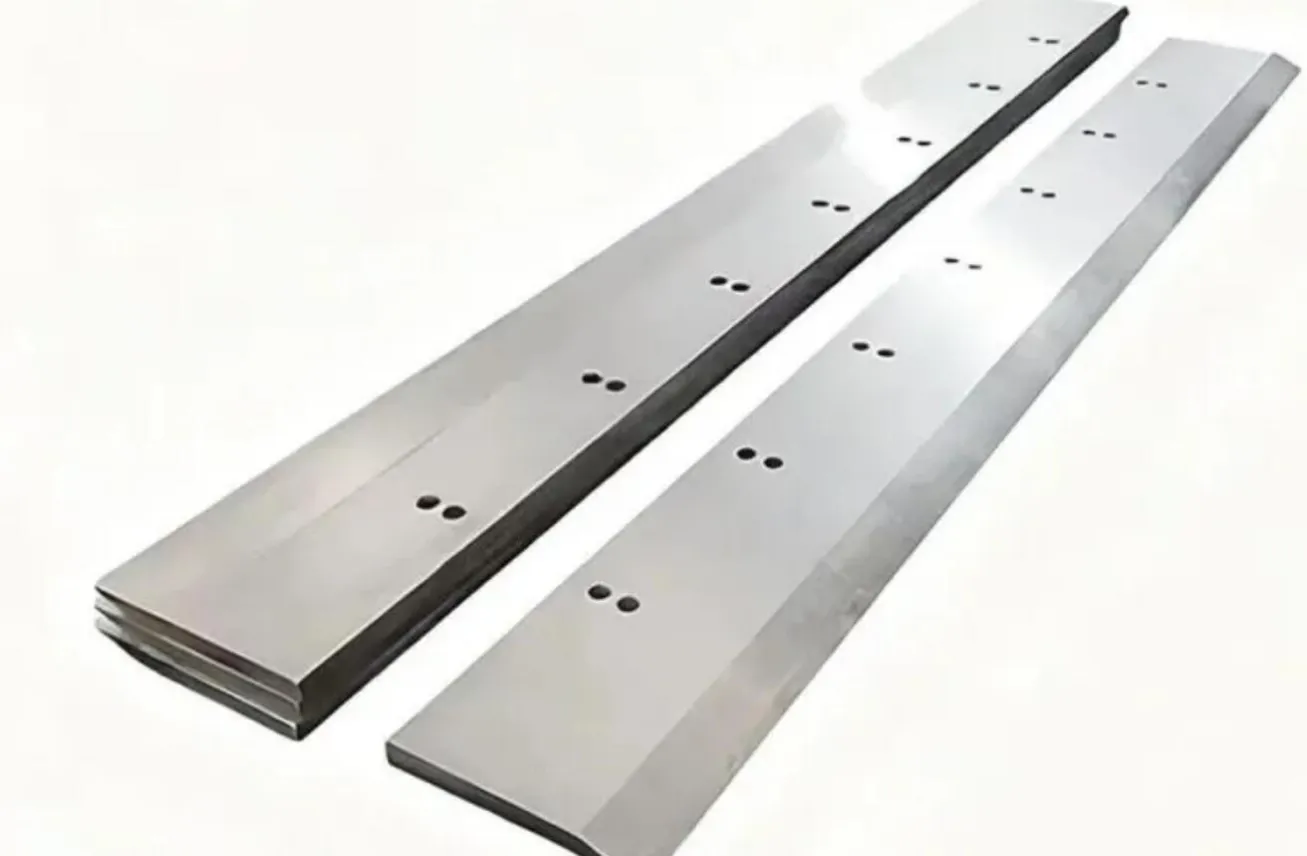
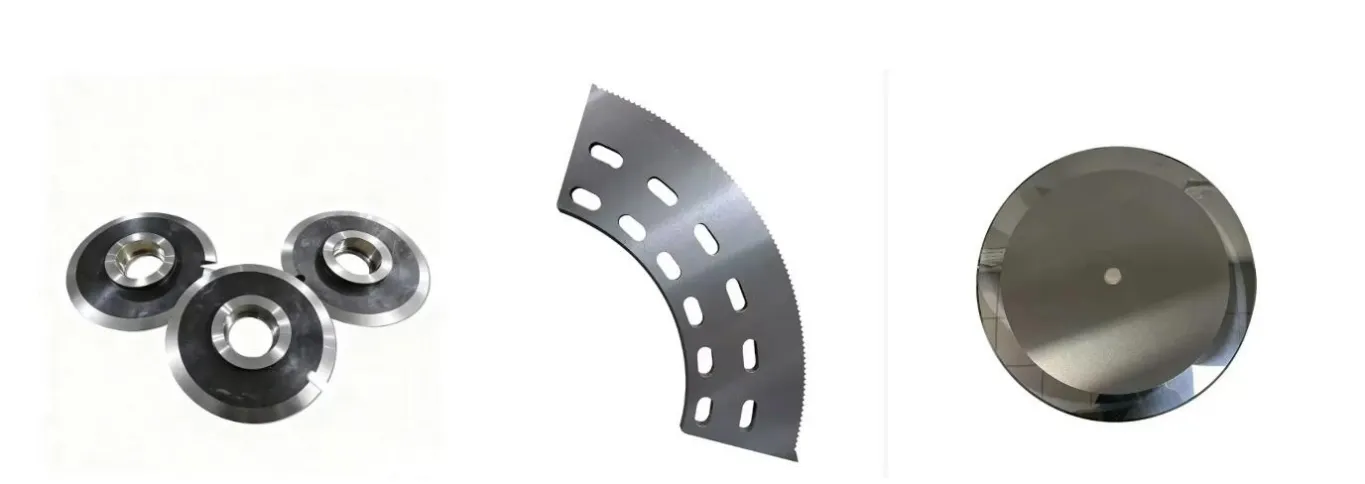
Granulator and Shredder Blades for Plastic Recycling Lines
Plastic recycling blades face shock, heat and abrasion. Learn how rotor and granulator blade specs follow the feedstock and process stage.
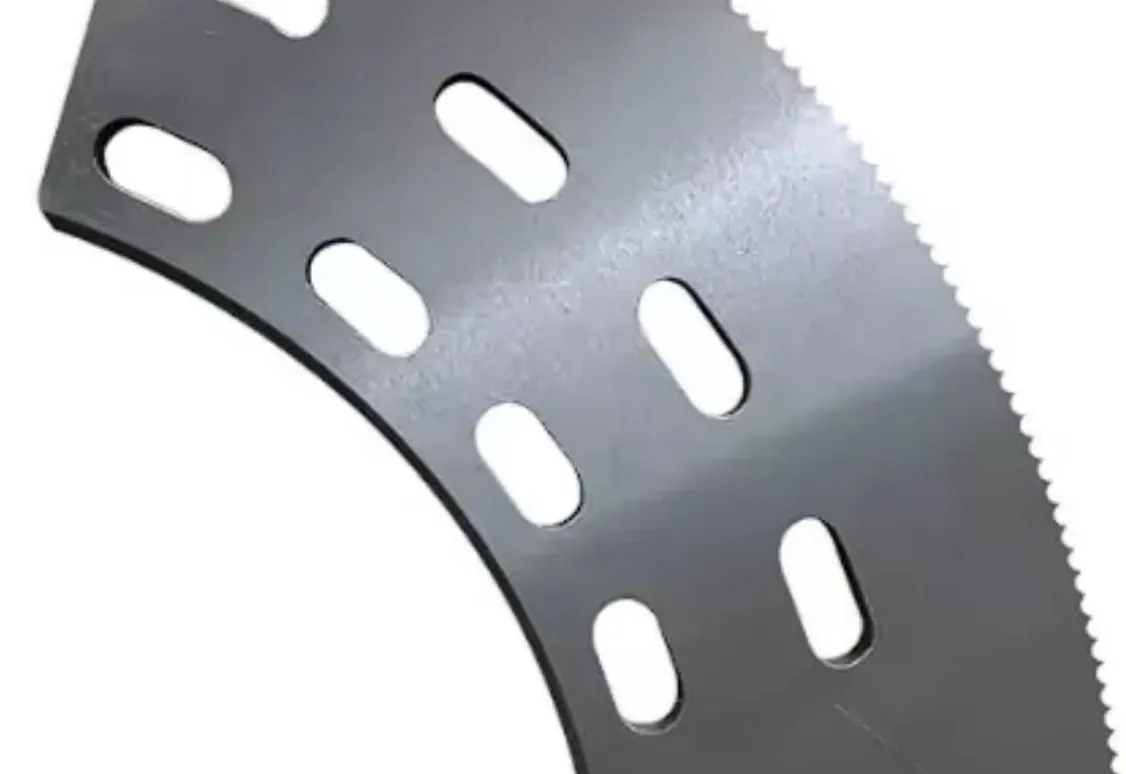
Plastic recycling is a blade-killer by design. Feedstock arrives as film, bottles, lumps and contaminated mixed bales; machines run at speed; and every blade change costs production hours. Yet the difference between a line that runs and a line that stops constantly is rarely the machine - it is whether the cutting components match the feedstock and the stage of the process.
Match the blade to the process stage
Recycling lines usually run two cutting stages, and they want different blades. Primary shredding reduces whole bales and bulky parts, so blades must survive extreme shock loads - heavy-section rotors, thick knives and generous clearances are the norm, and some designs use replaceable cutting tips to keep the wear cost manageable. The second stage - granulating - cuts closer to final flake size, where the priorities shift toward edge geometry, screen matching and repeatable particle size. A blade optimized for one stage will underperform in the other.
Match the blade to the feedstock
Soft films smear and wrap; rigid parts crack and snap; glass-filled or reinforced plastics are abrasive; contamination - stones, metal, sand - introduces impacts no geometry can absorb. Specify against the actual waste stream and be honest about contamination levels: a supplier who knows the feedstock can recommend a sensible balance between edge retention and toughness, and suggest maintenance intervals that fit how the machine is really fed.
What to specify
For granulator and shredder knives, the useful specification includes the machine make and model, knife position and mounting, the feedstock composition, the target output size, and the current blade drawing or a sample. Rotor and bed knife geometry has to work as a system - clearances and edge angles must be considered together, not adjusted by guesswork.
Maintenance is part of the specification
In recycling, honest blade planning assumes impact. Inspect edges for chips at defined intervals rather than waiting for failure, check knife mounting torque at every inspection, rotate or index blades where the design allows, and keep a sharpened spare set so a change is scheduled work rather than an emergency. Sharpening must restore the original edge angle - a changed angle alters cut quality and power draw, and shortens the next service interval.
ZHONGJIAN TECH manufactures heavy-duty shredder, granulator and recycling machine blades with controlled material and edge geometry. Send your machine, feedstock and target output details to ferrytk898@gmail.com and we will confirm a specification.