Oct 5, 2026
Panel and Furniture Manufacturing: Cutting Tool Trends
Panel processing keeps getting faster and more automated. What furniture makers should know about blade specs, tooth geometry and consistency.
Walk through any furniture factory and the same pattern shows up everywhere: faster feed speeds, tighter nesting, less operator intervention. Automation changes what machines expect from their cutting tools. Where a skilled operator once compensated for a blade that was 'a bit off', an optimized panel saw or edgebander just produces the defect - at speed. In modern panel processing, blade consistency has become a production input, not a consumable detail.
What modern panel processing demands
Today's machines cut melamine, veneer, HPL, MDF and chipboard in the same shift, with panels moving faster than ever between operations. That combination raises the bar for the blade: fine tooth geometries that shear the decorative face cleanly, carbide tips that survive abrasive board, and hardened, tensioned bodies that stay flat at speed so the cut stays true across the panel.
Tooth geometry and consistency
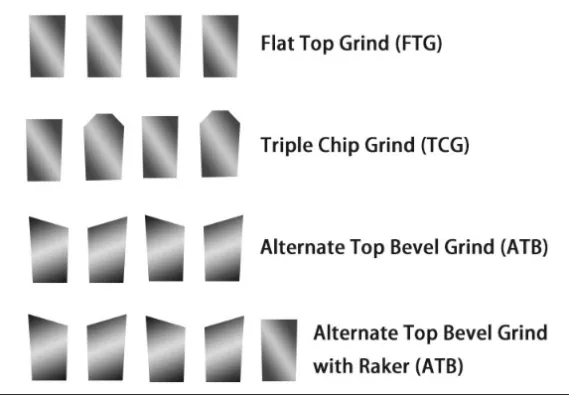
Tooth geometry does the finishing work. Alternate top bevel profiles handle cross cuts and laminated faces where tear-out matters; flat and combination grinds clear chips in ripping and nested work. But geometry only helps if it is consistent - from blade to blade and batch to batch. A set of blades that is dimensionally interchangeable lets the machine keep its settings, which is exactly what automated lines require. Bore tolerance, plate flatness and tip condition should be specified with the same seriousness as tooth count.
The diamond question
For high-volume panel cutting, polycrystalline diamond (PCD) tips have moved from exotic to practical. PCD tips hold their edge far longer than carbide, which removes blade changes from the maintenance plan and keeps edge quality stable across very long runs - particularly valuable on double-sided laminated panels where a scoring saw and two passes add cost. The choice between carbide and PCD is an economic calculation: volumes, material mix and the cost of blade changes decide it.
What to review when upgrading machines
When a new panel saw or edgebander arrives, revisit the blade specification with the machine's real parameters: maximum feed speed, cutting height, scoring requirements, and the panel mix. Send those details with your current blade drawing or sample to the blade manufacturer - the right response often combines a stock geometry with small custom adjustments (bore, tooth count, tip grade) that make the difference between a specification that works and one that merely fits.
ZHONGJIAN TECH manufactures panel processing and woodworking blades, including carbide and PCD circular saw blades, produced to machine requirements. Send your machine and material details to ferrytk898@gmail.com for a specification and quotation.