Oct 10, 2026
How Industrial Machine Blades Are Made: From Steel Plate to Finished Edge
The full manufacturing process behind machine blades: steel selection, cutting, forging, heat treatment, grinding and inspection, explained step by step.
Buyers compare blades by price and hardness, but the differences that decide life and consistency happen earlier — in steel selection, heat treatment and grinding discipline. Here is what a serious manufacturing route looks like.
Step 1: Steel Selection and Cutting
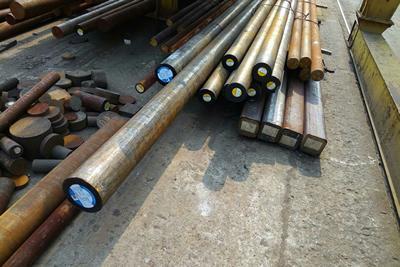
Production starts with certified tool steel plate — D2, SKD-11, HSS or stainless grades — checked for composition and surface defects. Blanks are cut to oversize to leave grinding allowance and to keep heat treatment distortion predictable.
Step 2: Heat Treatment
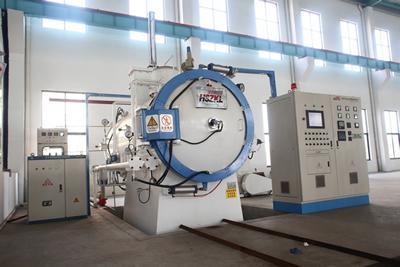
Vacuum heat treatment hardens the blade through while limiting decarburization and distortion. The target hardness depends on the job: HRC 57-61 for slitter knives, HRC 60-64 for shear blades, softer for shock-loaded tools. Tempering cycles are matched to the grade to stabilize the structure.
Step 3: Grinding the Working Surfaces
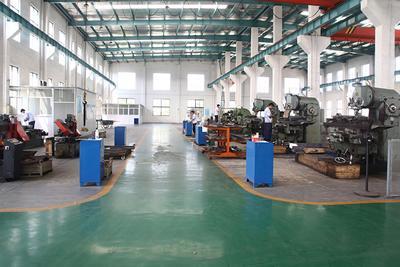
Flatness and parallelism are ground first, then the cutting edge. A blade that is 0.05 mm out of flat will rock in its holder and chip early, so grinding happens in temperature-controlled conditions with systematic checks between passes.

Step 4: Inspection Before Shipping
Every blade should leave with measured hardness, dimension report and surface finish records. Buyers can learn what to ask for in our blade quality inspection checklist.
Why Choose zhongjian
zhongjian (ZHONGJIAN TECH) runs this complete route in-house — steel cutting, vacuum heat treatment, CNC grinding and final inspection — so process responsibility never leaves the factory. That is how we hold consistent hardness and flatness across repeat orders.
To see the equipment behind each step, read CNC machining for custom machine knives, or contact zhongjian tech to request a factory tour and sample run.