Oct 11, 2026
Choosing Machine Blade Steel: D2, SKD-11, HSS and Carbide Compared
Machine blade steels compared — D2, SKD-11, HSS and carbide — with wear behavior, toughness, corrosion notes and cost positioning for buyers.
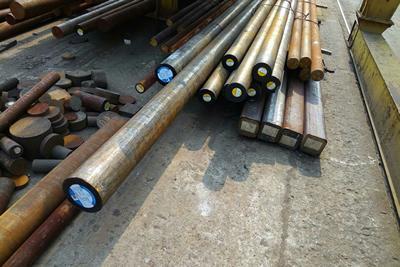
Blade steel is the biggest lever on tool life — and the most commonly over- or under-specified. Here is how the common grades behave in real cutting work.
D2 and SKD-11: The Workhorses
These high-carbon, high-chromium steels dominate machine blades. They hold a good edge, resist abrasive wear and tolerate the impacts of industrial cutting. Hardness typically lands between HRC 58 and 61 for knives. SKD-11 is the Japanese-standard equivalent of D2 with very similar behavior.
HSS: Heat and Abrasion Resistance
High speed steel trades some toughness for hot hardness and finer carbide distribution. It holds an edge longer on abrasive, high-speed work — corrugated converting and paper with high filler content are classic HSS applications.
Carbide: Maximum Wear, Minimum Forgiveness
Tungsten carbide outlasts steel by multiples on long campaigns, but it is brittle. It suits continuous, well-guided cuts — film slitting, long corrugator campaigns — where impacts are rare and regrinding cycles can be planned.
Stainless Grades for Washdown
Food and marine environments need corrosion resistance with acceptable edge life. Martensitic stainless grades sacrifice some wear resistance for washdown survival; coatings can compensate on aggressive products.
Why Choose zhongjian
zhongjian (ZHONGJIAN TECH) stocks all four steel families and helps buyers match grade to application — including trial sets so the decision is measured on your line, not on a datasheet.