Oct 5, 2026
Custom Industrial Blade OEM Programs: From Drawing to Production
How custom OEM blade manufacturing works: engineering review, drawings, first articles and batch consistency - a guide for machinery builders.
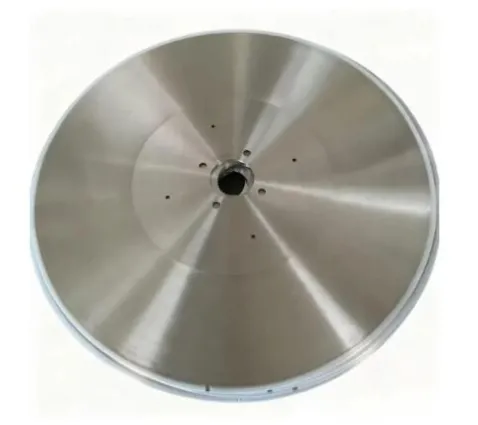
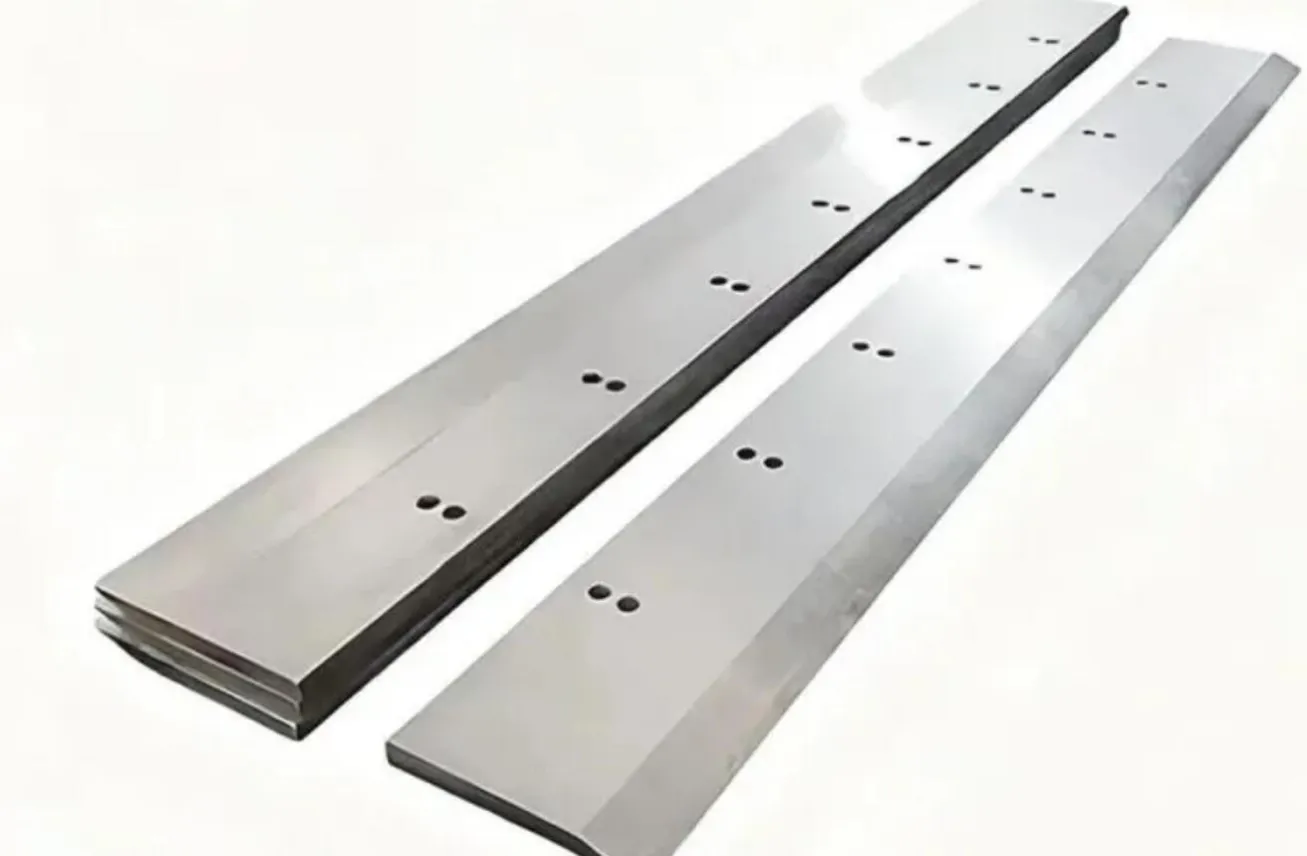
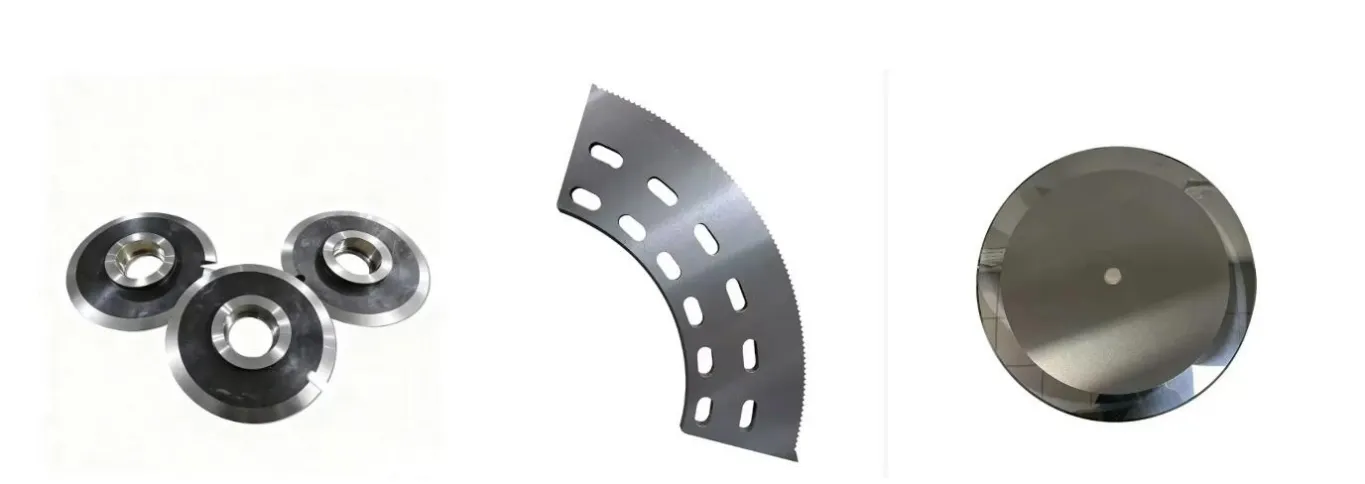
For machinery builders and industrial distributors, off-the-shelf blades rarely fit. High-speed equipment runs on tolerances that stock parts cannot hold, and a blade that is 'close enough' shows up later as inconsistent cuts, vibration and premature wear. That is why most serious cutting programs start with a custom OEM blade built to a drawing.
Why custom OEM programs exist
An OEM blade is not just a part number - it is part of the machine's performance envelope. Cut quality, power draw and uptime all trace back to how well the blade matches the machine interface, the material being cut and the operating speed. A dedicated manufacturing program treats those interactions as engineering inputs, not as afterthoughts.
Step 1: Engineering review before quoting
A capable supplier reviews the application before agreeing a price. What is being cut? At what speed? What is the mounting interface? Where did the last blade fail? From those answers, the manufacturer can recommend a steel grade, heat treatment window and edge geometry - and flag manufacturability issues while they are still cheap to fix.
Step 2: Drawings, tolerances and samples
Production runs on drawings. A complete drawing carries overall dimensions, hole positions, edge angles, thickness and its tolerances, and any chamfer or radius requirement. Where no drawing exists, a sample blade is the fastest path: the supplier measures the worn part, confirms the critical fits and produces a drawing for approval before any manufacturing.
Step 3: First article approval
Before mass production, a first article should be produced and checked - fit on the machine, cut quality, dimensions and hardness. This step catches misunderstandings while the cost of correction is one blade, not a batch.
Step 4: Batch consistency - the hard part
The classic OEM failure mode is not a bad first article; it is a good first article followed by drifting batches. Metallurgical variance, heat treatment differences and grinding drift all create variation that only shows up in service. Ask how hardness is recorded, how grinding tolerances are inspected, and what traceability is kept per batch. Consistent suppliers answer with records, not reassurance.
What to include in an OEM inquiry
To get an accurate quotation quickly, send: the drawing or sample, the machine make and model, the material being cut, operating speed, mounting details, expected blade life, and any documentation your quality system requires. With those seven items, most custom programs can be quoted without a single clarification round.
ZHONGJIAN TECH runs custom industrial blade OEM and ODM programs - from drawing review and material recommendation to first articles and volume production with batch records. Send your requirements to ferrytk898@gmail.com and we will confirm a specification and quotation.