Oct 5, 2026
Corrugated Board Slitting: Blade Specs for High-Speed Lines
Corrugated slitting demands clean edges at speed. How blade geometry, thickness and mounting decide trim quality and line uptime.
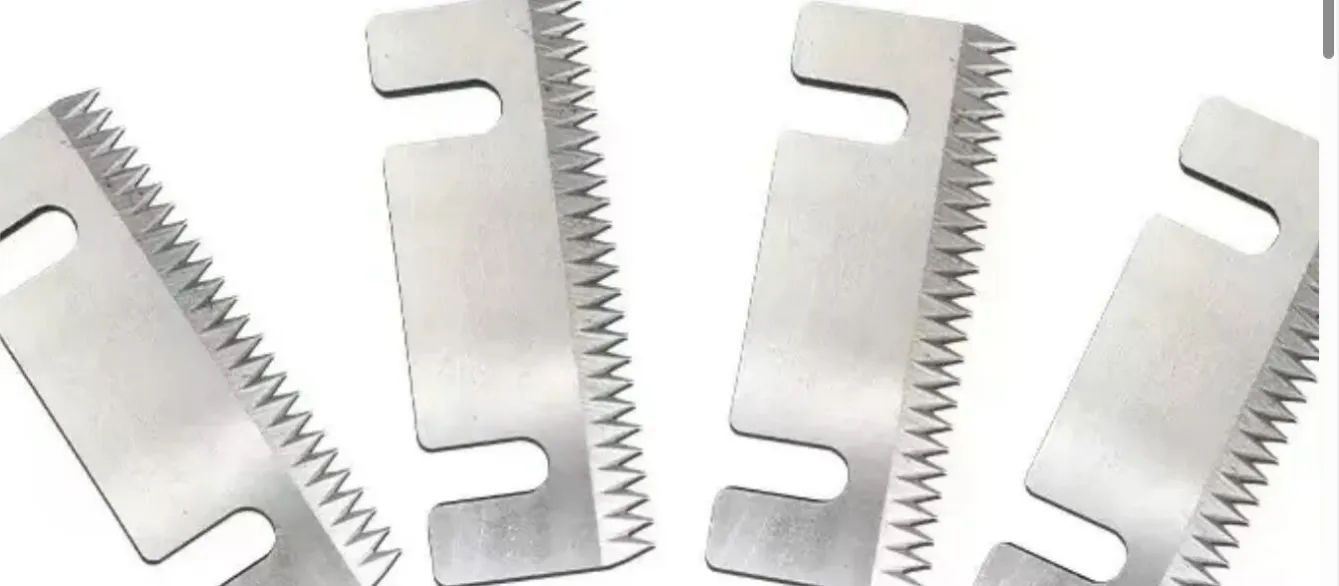
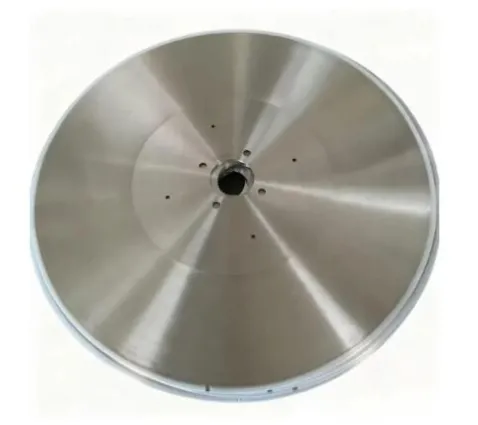
Corrugated board is abrasive, dusty and produced at speed. On a corrugator or a converting line, the slitting station has one job - separate the board cleanly and keep the trim straight - and it does that job only when the blade specification matches the machine and the board. Poor slitting shows up immediately: dusty edges, ragged trim, climbing machine load and stops to clear debris.
The cutting tasks in a corrugated line
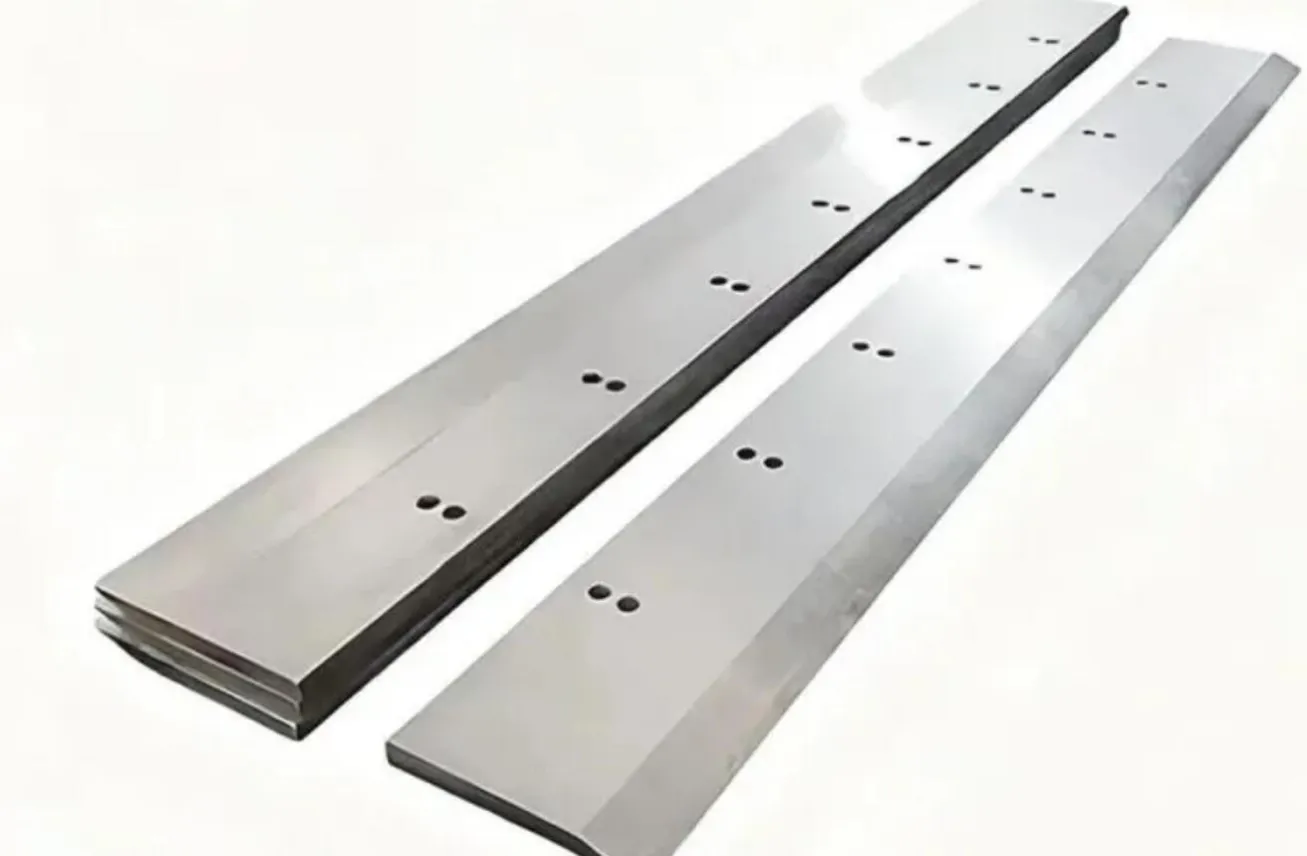
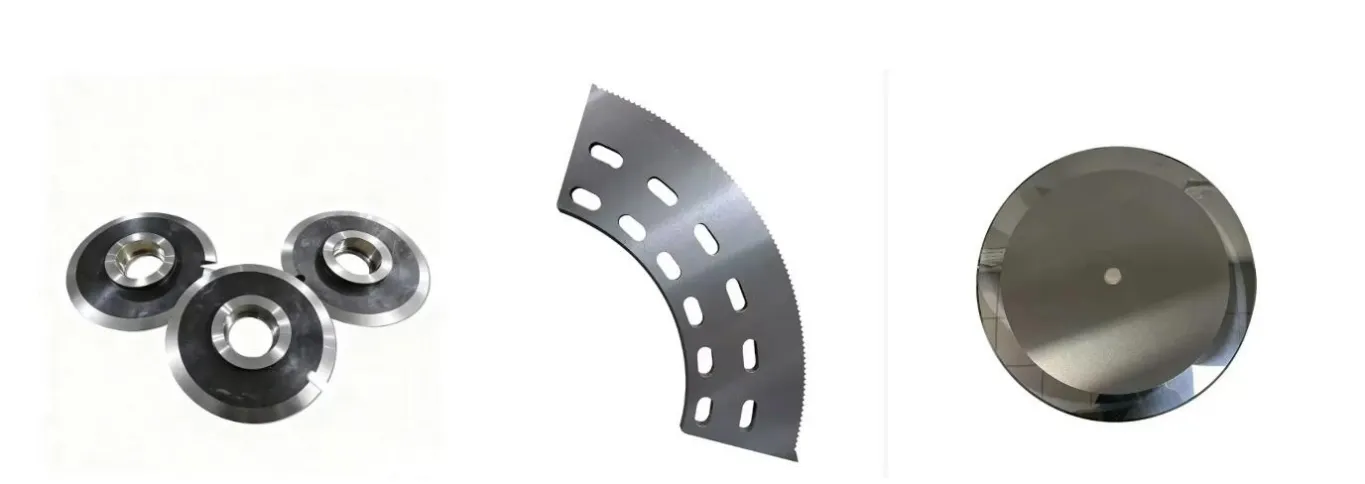
Board converting uses more than one kind of cut. Slitting trims and divides the web lengthwise; scoring prepares fold lines; cross-cutting separates sheets; and in recycling areas, crushing and cutting reduce waste for handling. Each position loads its blades differently: slitters run continuously against abrasive paper and glue lines, while cross-cut knives see cyclic impact. Specify each position separately rather than treating all blades on the line as one consumable.
Specs that decide trim quality
Three properties do most of the work. Edge geometry - a precision-ground edge with the correct angle shears the liner cleanly instead of crushing the flutes. Thickness and flatness - a thin, flat blade runs true at speed; a blade with runout or flatness drift cuts with variable pressure and generates dust. Mounting accuracy - bore and keyway tolerances must match the shaft exactly, because slitting accuracy is the sum of blade and arbor condition, not the blade alone.
Materials for corrugated work
Tool steels such as D2 (DIN 1.2379) are a common choice for their wear resistance against abrasive board; high-speed steel offers a different balance of toughness and edge retention; and tungsten carbide or inlay constructions push service life further where the line runs at maximum speed. Whatever the grade, the supplier should control heat treatment so the edge holds its geometry through the run, not just at the start.
Managing wear on a busy line
Track blade life in running hours per set, inspect edge condition at every change, and re-sharpen to the original geometry - not to whatever angle the grinder happens to produce. Keep a sharpened spare set per position so that quality drift triggers a planned change. And pair blade maintenance with the line's dust extraction: clean edges and clean air are the same project.
ZHONGJIAN TECH manufactures corrugated and paper converting blades - slitting, scoring, cutting and trim knives - in tool steel and carbide options. Send your machine and board details to ferrytk898@gmail.com and we will confirm a specification and quotation.