Oct 5, 2026
Durability and Corrosion Resistance in Stainless Blade Steels
440C versus newer stainless grades: how carbon, chromium, molybdenum and nitrogen change hardness, toughness and corrosion resistance.
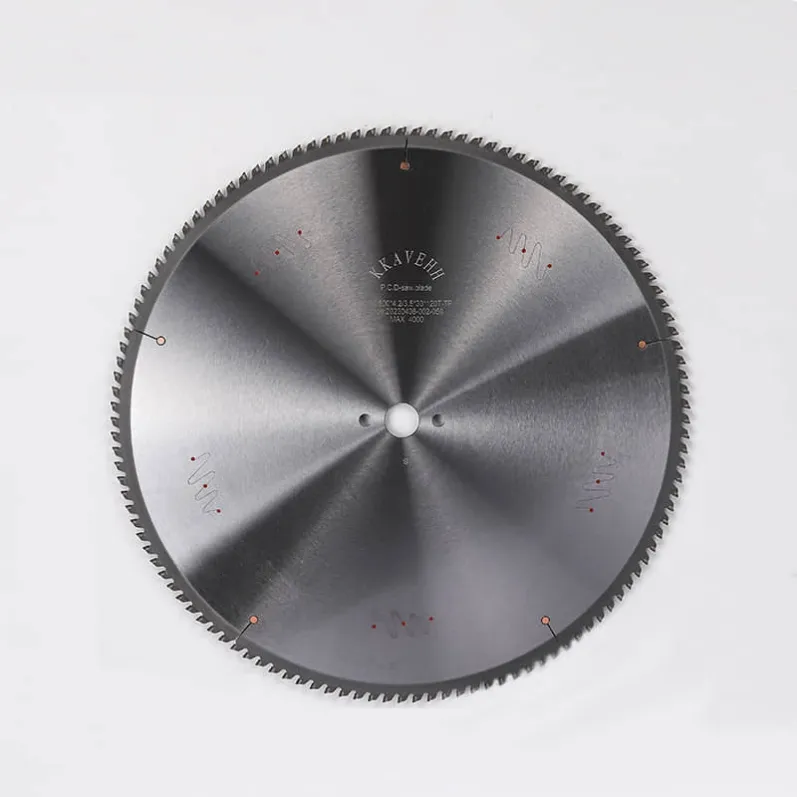
Two blades can look identical and behave completely differently after a month in service. The difference is metallurgy. Material selection decides the balance of hardness, toughness and corrosion resistance - and for equipment that runs wet, salty or acidic environments, that balance is the whole ballgame.
The classic: 440C-type stainless
High-carbon, high-chromium stainless steels like 440C (also known by its DIN designation 9Cr18MoV) have long been the backbone of quality blades and knives. Their high carbon and chromium content allows generous alloy carbides to form during heat treatment, delivering high hardness and wear resistance with a straightforward, controllable process. The limits are equally well known: the high carbon content reduces toughness, and in certain wet or acidic environments, corrosion resistance can be less than the name 'stainless' suggests.
The newer generation: nitrogen-strengthened stainless
More recent blade steels take a different route. By slightly reducing carbon and chromium and adding molybdenum, vanadium and nitrogen, then applying deep cryogenic treatment, they reach a finer, more uniform microstructure with a higher proportion of martensite over retained austenite. The practical result: hardness up around 60 HRC while keeping noticeably better corrosion resistance and toughness than classic grades. For food processing, marine and wet industrial applications, that combination solves the exact trade-off that 440C could not.
What this means for buyers
Do not choose a 'stainless' grade by name alone. Match the grade to the environment first: what is being cut, at what temperature, and what cleaning chemicals or salts are present. Then balance the wear side: harder is not automatically better if impact is present. The specification that works is the one where the recorded hardness range, the toughness and the corrosion behavior all fit the job - and the price reflects a useful service life, not just a low unit cost.
How to verify what you are buying
Ask for the steel grade in a standard designation, the achieved hardness (with the test method), and material certificates. Where corrosion resistance is critical, request salt-spray or equivalent test data, and consider a small field trial in the actual environment before a full batch order. Verification sounds bureaucratic until the first blade fails in a washdown environment; after that, it is the only conversation that matters.
The right blade steel is not the hardest one - it is the one whose hardness, toughness and corrosion resistance all survive your application.
ZHONGJIAN TECH manufactures stainless and tool steel blades for food, marine and industrial cutting, with controlled heat treatment and inspection records. Send your application details to ferrytk898@gmail.com and we will confirm a material and specification.