Oct 5, 2026
Replacement Blades for Agricultural Machinery: A Buyer's Guide
Chaff cutters, straw grinders, mowers and balers each load blades differently. Match material and geometry to the machine and the season.
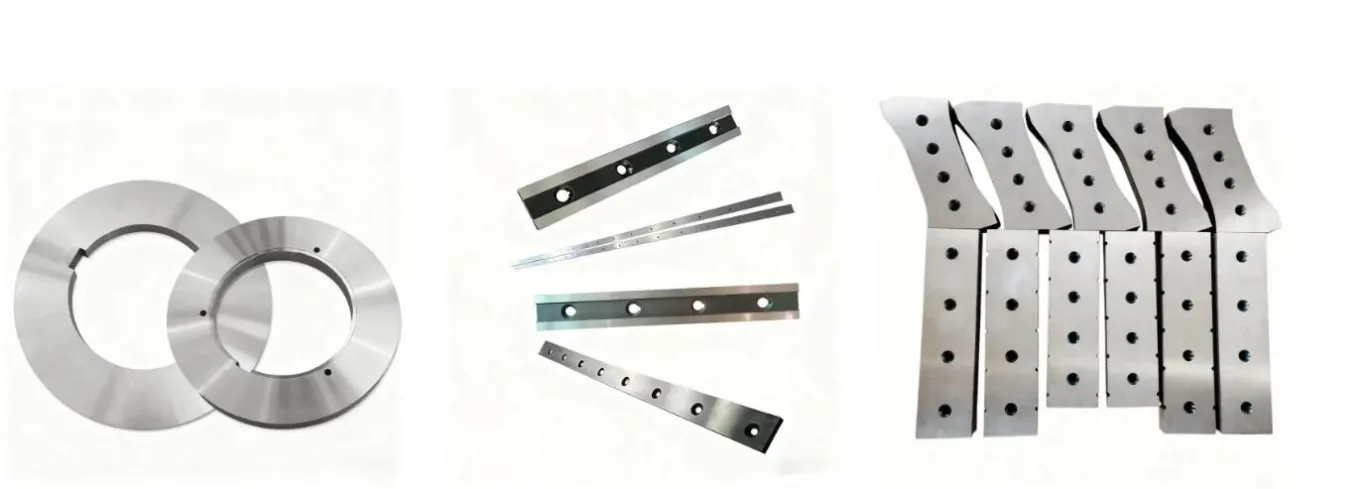
Agricultural machinery blades live a hard life: engines turning all season, crops that vary from dry straw to wet silage, and fields that hide stones. When blades fail early, the cost is not the blade - it is the stopped machine in the middle of a weather window. Getting replacement blades right is a season-planning exercise, not a parts-catalog purchase.
Different machines, different loads
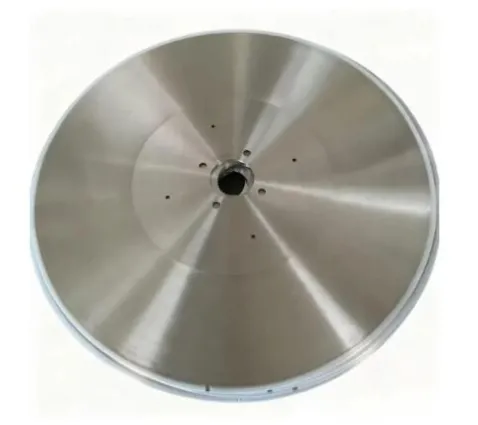
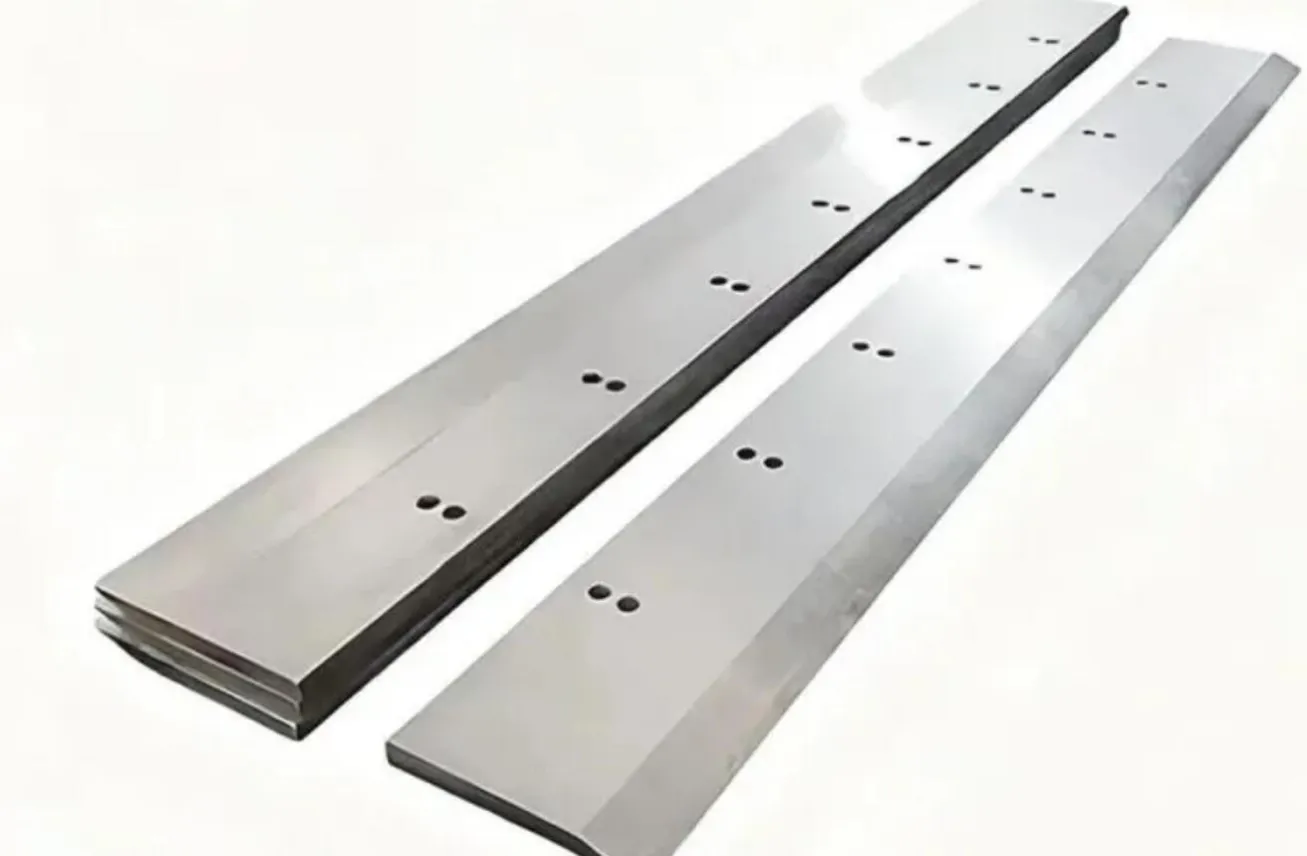
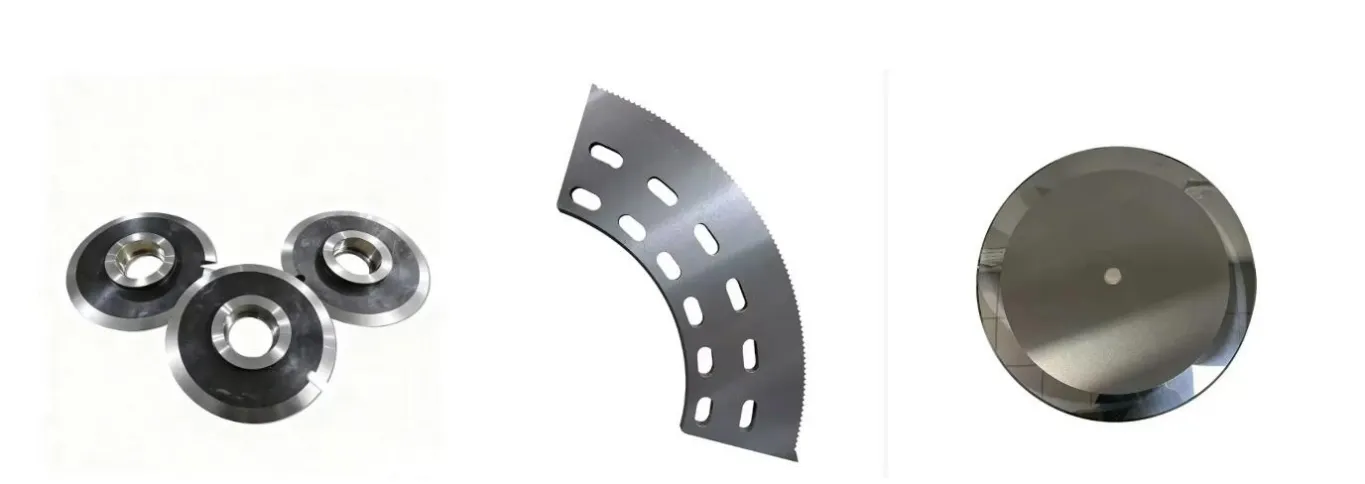
Chaff cutters and forage harvesters cut fibrous material at high speed - their knives need edge retention plus enough toughness to survive the occasional stone. Straw grinders and hammer-mill type machines trade fine cutting for blunt impact - their blades or hammers are chosen for shock resistance first. Mowers and conditioners work against stalks and stems with continuous sliding contact, where edge geometry directly controls power draw. Balers combine wear with wrapping, and wrap is a failure mode of its own. Each machine family has a natural blade specification, and one 'universal' answer fits none of them well.
Material and geometry decisions
For most agricultural cutting, an alloy or tool steel with a controlled hardness-toughness balance covers the job: hard enough to keep an edge through abrasive crops, tough enough to absorb field impact. Edge geometry should follow the crop: a finer angle cuts lush material easily but needs more toughness behind it for dry, brittle crops that chunk. Re-sharpening behavior matters too - a blade that survives multiple grinds without changing its edge angle delivers far more value per season than a cheaper blade that warps after one.
Plan the season, not the incident
Work backwards from harvest. Estimate the number of machine-hours and the expected blade life per set, then order replacements and spare sets before the season starts - agricultural blade demand peaks exactly when every farm needs them, and lead times stretch accordingly. Keep at least one sharpened spare set per machine, and record hours per set so next season's planning improves.
What to send for a quotation
Machine make and model, knife position or part number, crop type and conditions, and a drawing or worn sample. With those, a manufacturer can confirm material, hardness and geometry - and can often improve life over the previous specification by adjusting the edge for the actual crop mix. ZHONGJIAN TECH produces agricultural machine knives and heavy-duty blades for forage, straw and crop processing equipment. Contact ferrytk898@gmail.com with your requirements.