Oct 4, 2026
Selecting Sanitary Replacement Blades for Meat and Poultry Processing
How to specify sanitary replacement blades for meat and poultry lines: blade format, stainless materials, surface finish and replacement planning.
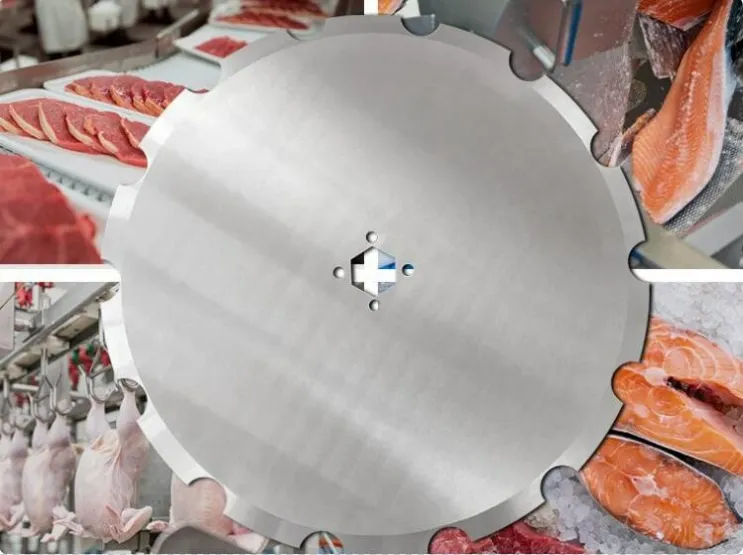
Meat and poultry lines rarely stop. Product moves through at different temperatures, blades run continuously, and crews wash down equipment between shifts. Under those conditions, a replacement blade decision affects far more than the cutting action itself: slice consistency, product waste, machine load and unplanned stoppages all trace back to blade specification.
This guide covers the variables that matter when selecting sanitary replacement blades - the processing step, the machine interface, material and finish, dimensional consistency, and how to manage the replacement cycle.
Match the blade to the processing step
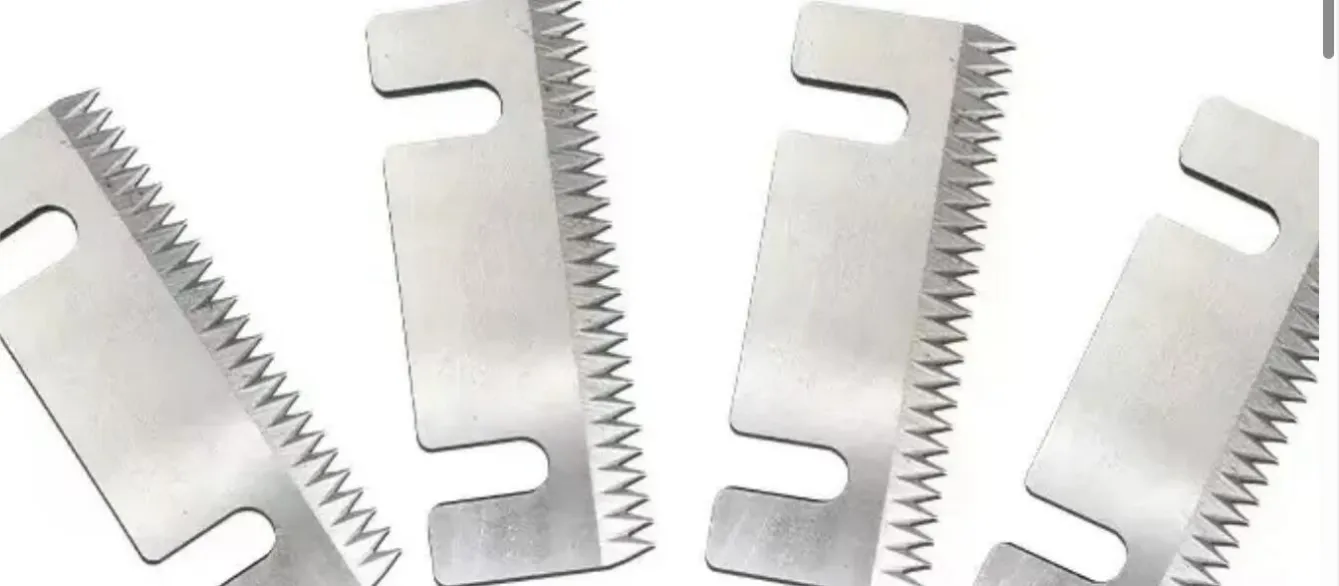
Deboning, trimming, portioning, skinning and slicing each load a blade differently. A knife cutting through soft tissue needs a different edge than one meeting bone or frozen product. Multi-blade systems - dicing grids and slicer heads - add another layer: the blades work as a set, and one blade out of tolerance shows up as an out-of-spec portion in every stroke.
Start by defining the cutting task in plain terms: what is being cut, at what temperature, at what speed, and what tolerance the finished portion must hold. That description, not a part number alone, tells a blade supplier which geometry and material will work.
The machine interface comes first
A replacement blade exists to fit an existing machine. Dimensions, mounting holes, clamping arrangement and edge angle must match the holder exactly, and thickness tolerance and flatness are functional requirements - not production niceties. A blade that sits loosely or deflects under cut pressure produces ragged edges, inconsistent slice thickness and unnecessary product loss.
Where no drawing exists, a sample blade is the fastest path to an accurate specification. A measured sample lets the supplier confirm the critical fits before manufacturing, which avoids the most common cause of rejected first batches.
Material and surface finish
Meat and poultry environments combine moisture, animal fats, mild acids and daily cleaning chemicals. Food-grade stainless steels such as 420 and 440A or 440B are common choices because they resist corrosion while holding a usable edge. Higher-wear cutting tasks may justify higher-alloy stainless grades or special steels, depending on the hygiene regime.
Surface finish matters as much as the grade. Fine-polished surfaces clean down faster and resist product adhesion; rough-ground finishes trap debris and slow sanitation. For plants with formal hygiene audits, specify the finish in writing rather than relying on supplier default.
Dimensional consistency across blade sets
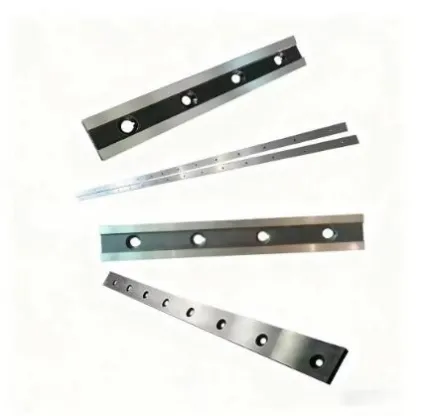
For grid and multi-blade systems, buy blades as controlled sets with stated tolerances for thickness, flatness, hole position and edge condition. Mixing blades from different batches without checking dimensions introduces variation that no amount of machine adjustment can fix.
In a washdown environment, the real cost of a blade is measured in unplanned stops, not on the invoice.
Documentation buyers commonly request
Food manufacturers increasingly ask suppliers for material grades, batch records and dimensional inspection data, so the information can be folded into their own quality and traceability systems. A supplier who treats documentation as standard practice is easier to work with than one who has to be asked for every record.
Build the replacement plan before you need it
Watch for the early wear signals: gradually ragged slice faces, rising machine load, and product deformation all appear before a blade fails outright. Keep a sharp spare set for each machine position, rotate sharpening on a schedule based on production hours, and inspect set alignment every time blades are changed. That discipline converts blade maintenance from reactive repair into planned downtime.
Ordering replacement blades
To specify sanitary replacement blades, send the machine model and blade position, the product and cutting task, a drawing or sample blade, and your hygiene and documentation requirements. ZHONGJIAN TECH produces poultry processing knives and food processing blades in food-grade stainless steels with polished, easy-clean surfaces. Send your details to ferrytk898@gmail.com and we will confirm a specification and quotation.