Oct 4, 2026
Choosing High-Quality Forage Harvester Blades
Forage harvester blades decide cut length, fuel use and machine load. Learn what material, precision and re-sharpening quality mean for harvesting season.
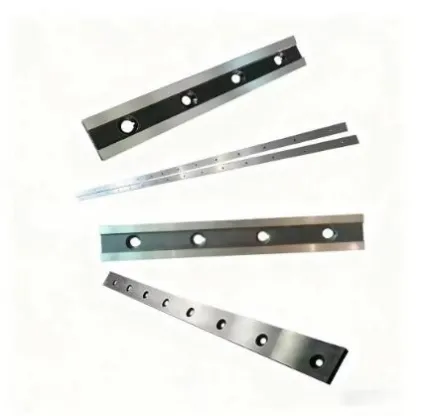
For a forage harvester, blade condition is a season-long operating decision. Sharp, well-balanced knives deliver the consistent chop length that silage quality depends on, and they do it with less fuel and less load on the machine. Blunt or unbalanced knives do the opposite - and harvesting does not wait for a convenient moment to replace them.
This guide covers what separates a high-quality forage harvester blade from a cheap one: material quality, manufacturing precision, re-sharpening behaviour and supply reliability.
Material quality is verified, not assumed
Forage harvester knives work through grass, maize and whole-crop material at high speed, meeting soil, stones and grit along the way. The steel must balance wear resistance with the toughness to survive impact. Reputable manufacturing starts with traceable raw material from stable suppliers and verifies it: composition testing and metallurgical analysis, run in-house and cross-checked by third-party laboratories, keep material quality consistent from batch to batch. Ask a supplier how their material is verified before asking about price.
Manufacturing precision decides machine behaviour
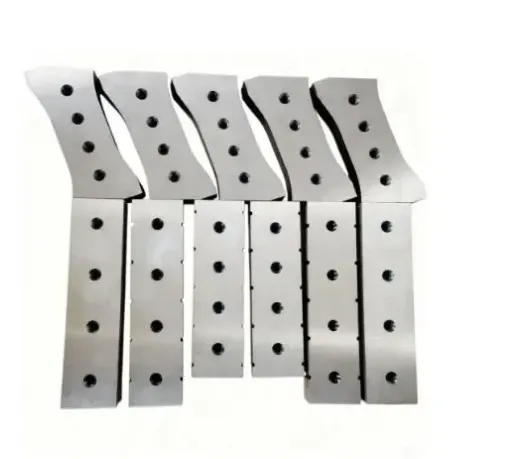
A harvester drum spins fast, so blade precision becomes machine behaviour. Straightness, flatness, hole position and consistent thickness all affect how a set balances and how evenly it cuts. Blades outside tolerance create vibration that accelerates bearing wear and produces uneven chop; the damage shows up far from the blade itself. Precision grinding to tight tolerances, with inspection at each production step, is what keeps a set interchangeable and the drum balanced.
Re-sharpening and service life
Harvesting economics depend on how many times a blade can be re-sharpened without losing cutting quality. Quality knives hold their geometry through multiple grinding cycles because hardness and toughness were balanced properly in heat treatment, and because the geometry tolerates regrinding. Cheap blades often sharpen once or twice before warping or losing their edge angle - at which point the money saved at purchase is spent on replacements and downtime.
What to check before ordering
Specify the machine make and model, the knife position or part number, your crop types and typical conditions, and your re-sharpening practice. Confirm the supplier's material verification process, tolerance standards and inspection records. Consistency between batches matters most of all - a knife that performs well once but varies between orders creates problems you cannot see until the season is underway.
Ordering forage harvester blades
ZHONGJIAN TECH produces precision-ground harvester and agricultural machine knives with controlled material verification and consistent tolerances. Send your machine details, part number or sample, and expected season volume to ferrytk898@gmail.com and we will confirm a specification and quotation.