Oct 4, 2026
Green Waste Grinder Knives: Wear, Wrapping and Maintenance
Fibrous green waste wears grinder knives and wraps rotors. Learn the failure patterns, prevention practices and maintenance planning that keep lines running.
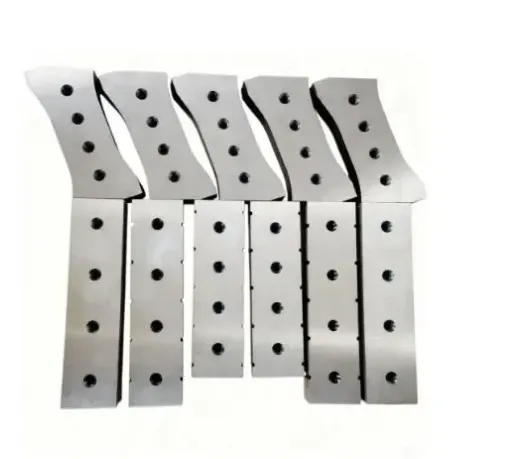
Green waste - branches, leaves, roots, vines and trimmings - is fibrous, irregular and abrasive. In a grinder or shredder, those three characteristics attack the knives continuously: fibre polishes edges, irregular size creates shock loads, and soil or grit grinds away steel. The result is a familiar cycle of slowing throughput, rising fuel or power consumption, and unplanned stops to clear wrapped rotors.
This guide covers the failure patterns to watch on green waste machines - edge wear, wrapping and impact damage - and the maintenance planning that keeps a grinding line productive.
Understand what the machine is fighting
Green waste arrives with variable moisture, density and particle size, and often carries soil, stones and string from the collection process. Each of these loads the knives differently. Soft, wet vegetation smears and wraps; dry, aged branches shatter and produce dust; mixed loads alternate between the two within a single working day. A blade specification and maintenance plan that assumes one consistent material will underperform on all of them.
The wear patterns - and what they mean
Read the knife edges like a maintenance record. Uniform, polished edge rounding is normal abrasion and tells you the machine is processing fibrous material as expected. Local chips and nicks point to contamination - stones or metal in the feed - and usually mean screening or feed discipline needs attention. Cracks near mounting points indicate impact damage or incorrect torque on the mounting bolts. Wrapped, smeared material on the blade faces points to edge geometry, rotor clearance or feed rate, not to steel quality.
Preventing wrapping before it stops the line
Wrapping is the most common cause of unplanned green waste downtime, and it is mostly a geometry and practice problem. Knife and rotor clearances should be checked against the manufacturer's specification: too much clearance lets fibrous material slip past the cutting edge and wind around shafts. Feed practice matters too - consistent, controlled feed rates keep material moving through the cutting zone instead of balling up in it. Worn screens that allow oversize material to recirculate multiply the problem.
Maintenance planning that converts stops into schedules
The economics of grinder knives are downtime economics: an emergency blade change mid-shift costs far more than the same work planned between shifts. Practical programs do four things - inspect knife condition at fixed intervals rather than on failure, check mounting bolt torque at every inspection, rotate knife sets through scheduled sharpening, and keep a ready spare set per machine so a change is a task, not a crisis.
Sharpening deserves its own rule. Knives should be re-ground to the original edge geometry by someone equipped for the profile; improvised grinding changes the edge angle, which changes cut quality and power draw, and usually shortens the next service interval.
Choosing green waste grinder knives
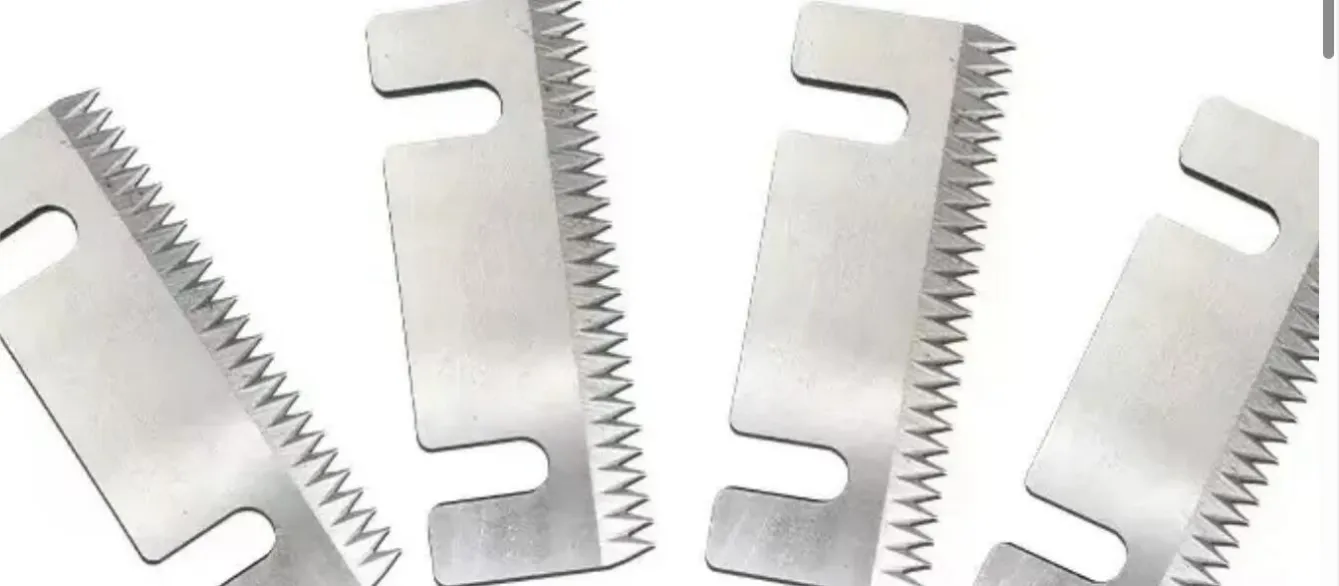
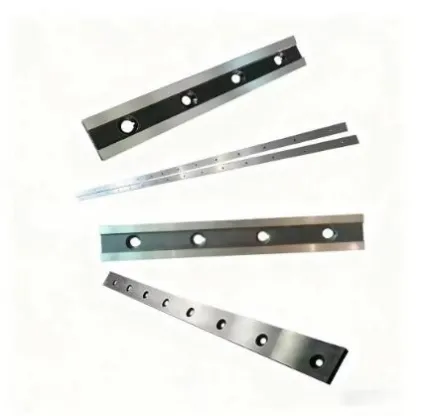
When specifying replacement knives, send the machine model and knife position, the typical feedstock mix, the edge profile drawing or a worn sample, and a description of any recurring problems such as wrapping or chipping. ZHONGJIAN TECH produces shredder and grinder blades for waste processing lines and will confirm a material and edge geometry recommendation for your conditions. Contact ferrytk898@gmail.com with your requirements.