Oct 4, 2026
Why Hygienic Design Matters in Food Processing Blades
Food safety expectations keep rising. Corrosion resistance, smooth surfaces and traceability now matter as much as sharpness when choosing food processing blades.
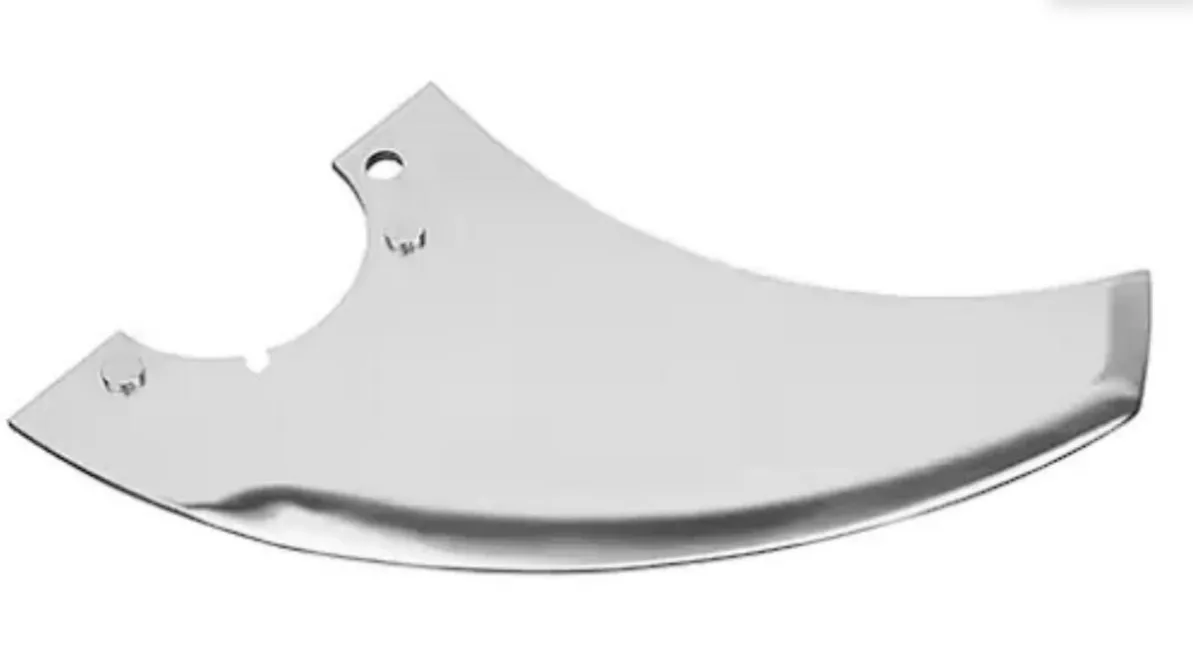
Sharpness has always been the headline when selecting food processing blades. But for food manufacturers - especially those supplying markets with tightening microbial risk controls - cutting performance alone is no longer enough. Every surface that contacts food, including blades and their mounting systems, is now part of the hygiene conversation.
This guide explains why hygienic design has moved to the center of blade selection, where contamination risks hide in a cutting station, and what to specify so a blade supports cleaning, sanitation and traceability as well as it cuts.
From sharpness to hygienic design
A production blade has to do four jobs at once: cut cleanly, clean down quickly, withstand sanitation chemistry, and remain identifiable in a quality system. Modern food safety thinking treats cutting components as food-contact surfaces. When regulators tighten microbiological criteria for ready-to-eat products, processors respond by examining every component that touches the product - and blades sit directly in that path.
Where hygiene problems actually hide
Contamination risk in a cutting station rarely comes from the cutting edge itself. It gathers in the details: rough surface finishes that trap organic debris, crevices around mounting hardware, worn areas where cleaning agents collect, and blades that are difficult to remove for inspection. A blade that is hard to clean will eventually be cleaned inconsistently - and inconsistency is what audits find.
Simple, open mounting designs and smooth, polished blade surfaces address most of this. Components that can be removed and inspected without special tooling support the cleaning validation routines that processors run.
Corrosion resistance under cleaning chemistry
Food environments combine moisture, salts, acids and alkaline cleaning agents - often in the same shift. Stainless grades such as 420 and 440A or 440B are common because they keep corrosion resistance and edge retention in balance. Where aggressive sanitation regimes or salty products are involved, the material choice, surface finish and passivation treatment all contribute to how long a blade keeps both its edge and its appearance.
For some hygiene regimes, uncoated stainless designs are preferred because there is no coating layer to wear, flake or complicate cleaning validation. The right answer depends on the products and the cleaning procedure - which is why blade selection should start with those details, not with a catalogue.
Traceability and documentation
Quality systems increasingly expect food-contact components to be identifiable: material grades, production batches, and inspection results that can be traced when an issue appears. Buyers therefore ask suppliers for material certificates, batch records and dimensional inspection data. These records also make maintenance smarter - if a batch of blades wears differently, the paperwork shows where it came from.
What to specify in a blade order
A hygienic blade specification covers five things: material grade with corrosion rationale, surface finish standard, mounting design, dimensional tolerances, and the documentation package. Put all five in the inquiry. Suppliers who understand food environments will answer them directly; the answers tell you whether the blade belongs in a food-contact application.
Working with the right supplier
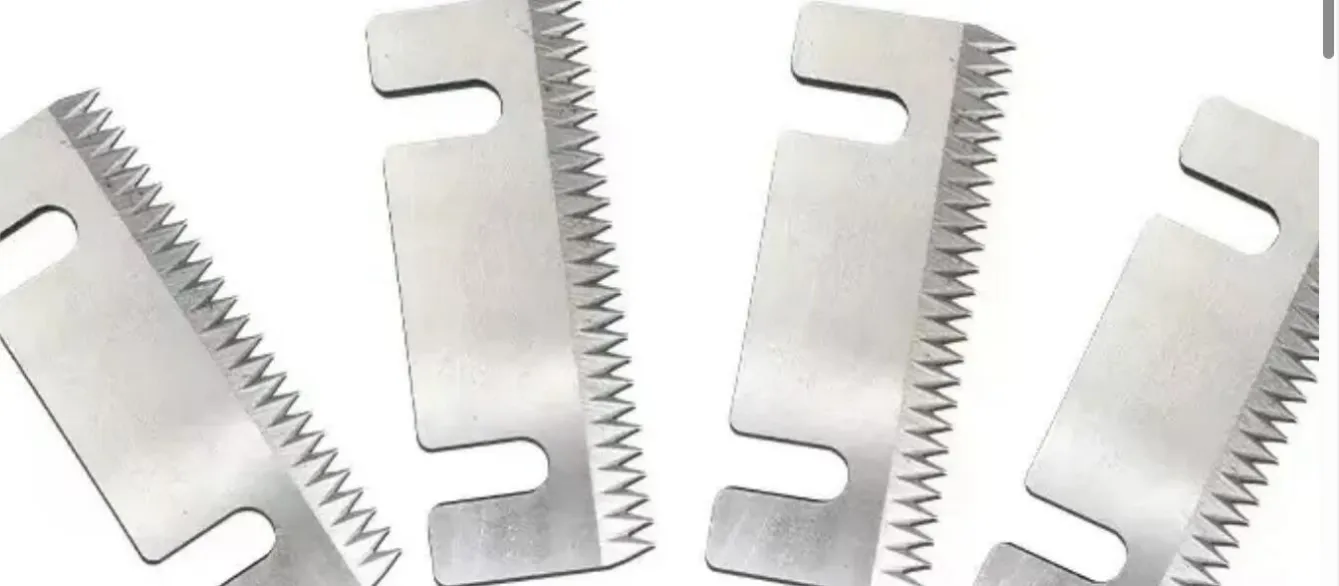
ZHONGJIAN TECH produces food processing blades, slicer and dicer blades and machine knives in food-grade stainless steels, with polished surfaces for easy cleaning and inspection records available with shipments. Send your product, hygiene and machine details to ferrytk898@gmail.com and we will confirm a blade specification for your line.