Oct 4, 2026
Industrial Fish Processing Blades: Optimizing Cutting Efficiency
Fish plant blades face moisture, oils and impact. Learn how material choice and the hardness-toughness balance keep filleting and portioning lines running.
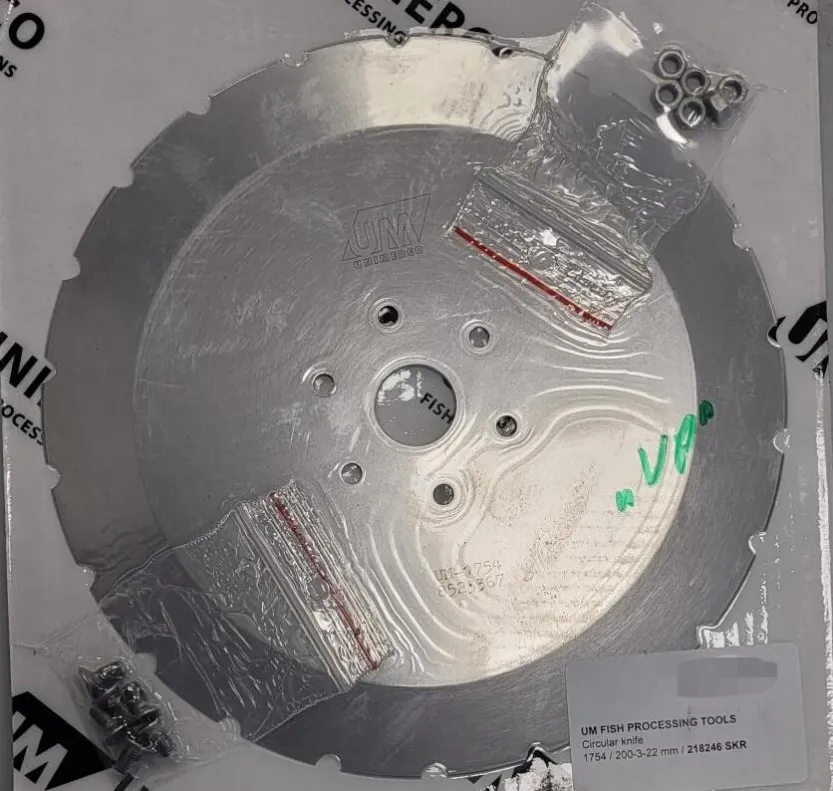
In high-volume fish processing, blades are not simple consumables. They sit at the point where product quality, yield and operating cost are decided: a dull or chipped edge turns into ragged fillets, product deformation and stops on the line. Selecting the right blade is one of the cheapest ways a plant can protect its throughput.
This guide covers why standard blades fail in fish plants, the hardness-toughness balance that decides blade life, material choices for a wet and corrosive environment, and maintenance practice that keeps a line running.
Why standard blades fail in fish plants
A fish processing blade works in conditions that punish cutting tools: continuous impact at speed, constant moisture, fish oils, and aggressive cleaning chemistry between shifts. Blades that were adequate in another application tend to fail here in predictable ways - rapid edge wear that forces frequent sharpening and inconsistent cuts, chipping or cracking under high-speed stress, and unexpected downtime while a line waits for a blade change.
Hardness versus toughness
There is a stubborn misconception that a harder blade is always a better blade. In high-speed fish processing, excessive hardness makes steel brittle, and a brittle edge chips the moment it meets bone or works at high velocity. The practical specification balances four properties: wear resistance to handle friction, toughness to resist chipping, corrosion resistance for the wet environment, and edge stability so cut quality does not drift between sharpenings.
For most filleting and portioning applications, the correct answer is a controlled hardness range agreed with the blade supplier for the specific product and machine - not the maximum the steel can reach.
Material selection for wet environments
Food-grade stainless steels such as 420 and 440A or 440B are common starting points because they resist corrosion in wet, saline conditions while holding a serviceable edge. Applications that combine high volume with abrasive contact may benefit from higher-alloy grades or special steels. The blade must also tolerate the plant's cleaning chemicals - corrosion usually starts between shifts, not during them.
Match the blade to the knife position
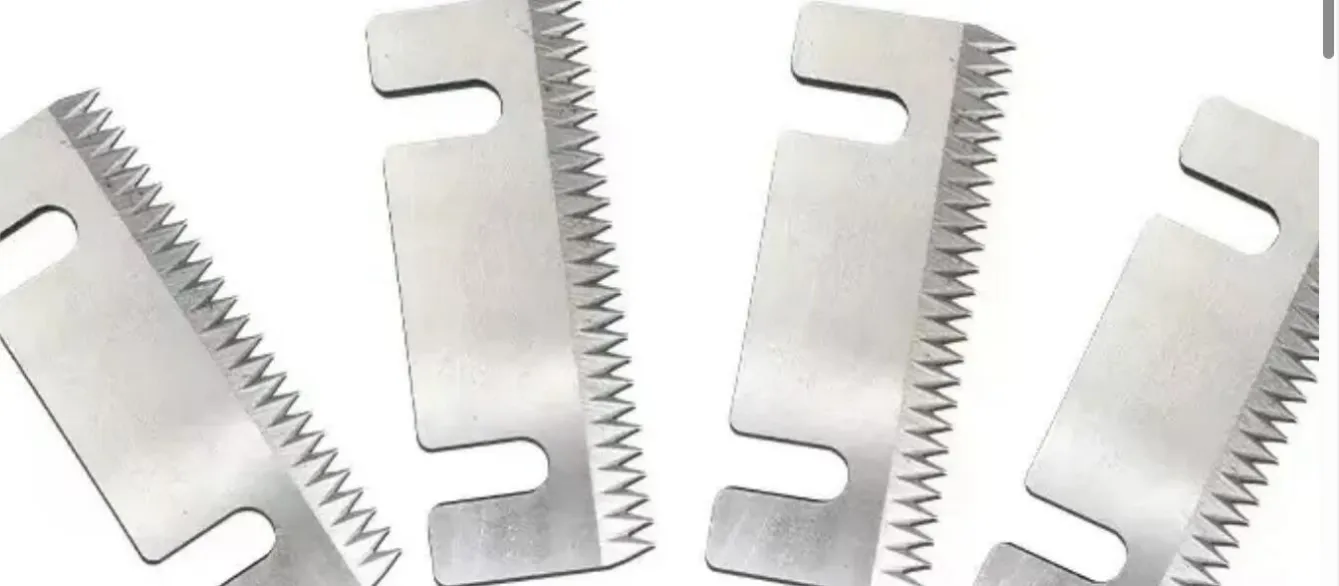
A filleting line is not one cutting task but several: filleting, trimming, skinning, portioning and slicing heads each present different loads and different quality requirements. A blade specified for smooth filleting will not serve a portioning head that meets bone, and vice versa. Where possible, standardize materials across positions but optimize geometry and tolerances per station.
Maintenance that protects yield
Fish plant blade management follows a simple rule: replace or sharpen on condition and schedule, not on failure. Ragged fillet surfaces, rising machine load and slowing line speed are early warning signals. Keeping a sharp spare set for each position, rotating blades through scheduled sharpening, and inspecting holders and alignment at every change prevent both quality drift and emergency stops.
Ordering blades for fish processing
To specify fish processing blades, send the machine and knife position, the species and product form, your cutting speed, and the cleaning regime. ZHONGJIAN TECH produces food processing blades and machine knives in food-grade stainless steels for filleting, portioning and slicing applications. Send your details to ferrytk898@gmail.com and we will confirm a specification and quotation.