Oct 4, 2026
Understanding Decarburization in Steel: Effects and Prevention
Surface carbon loss weakens blade edges, wears fast and causes cracking. Learn how decarburization happens and how controlled manufacturing prevents it.
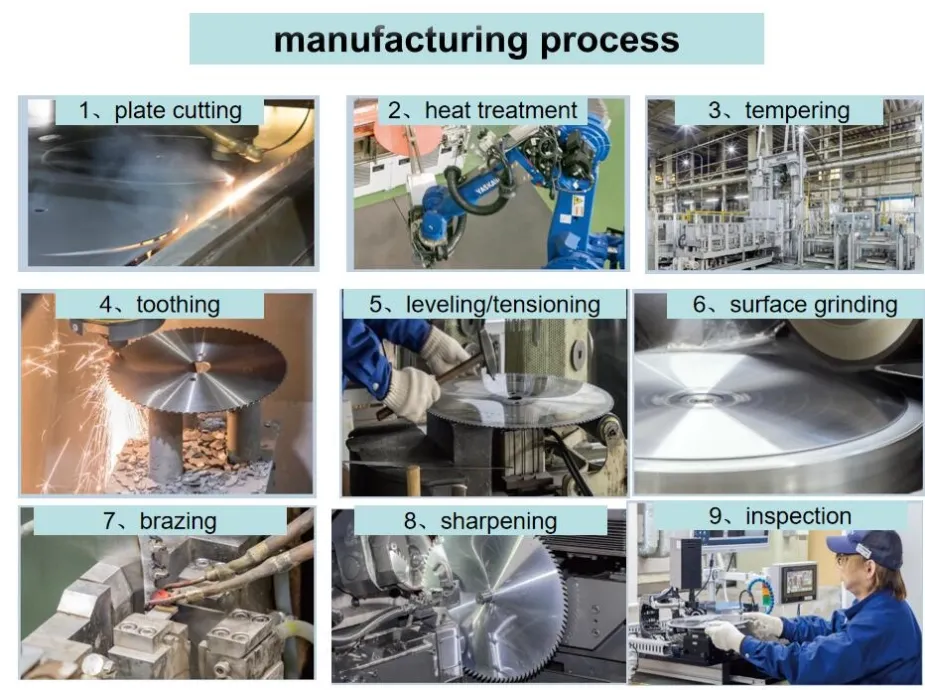
Decarburization is one of the quiet failure modes of steel processing. When steel is heated in an oxidative atmosphere, carbon escapes from the surface layers and leaves a soft, carbon-depleted skin on an otherwise sound material. In a blade, that skin is exactly where the cutting edge lives - which is why decarburization control is a manufacturing discipline, not a metallurgical footnote.
This guide explains what decarburization does to a blade, how it happens, and how controlled manufacturing prevents it.
What decarburization does to a blade
The effects concentrate at the surface. Hardness and strength drop in the decarburized layer, so the cutting edge cannot hold its specification even when the core steel is correct. Wear resistance, cutting ability and fatigue resistance all suffer. In worse cases the mismatch between a soft surface and a hard core creates internal stress, which can lead to cracking during heat treatment or in service. There is one more practical problem: hardness measurements taken through a decarburized layer read low and misrepresent the part, which can cause good components to be reworked - or bad ones to be accepted.
The depth of the decarburized layer decides how much damage reaches the finished blade. If the layer is thinner than the machining allowance, later grinding removes it completely. If it runs deeper, the soft skin survives into the finished edge - and no amount of careful grinding downstream fully corrects it.
How decarburization happens
Three factors drive the process. The furnace atmosphere is the first: a strongly oxidative atmosphere promotes carbon loss, while a controlled protective atmosphere suppresses it. Temperature is the second: higher heating temperatures accelerate both oxidation and carbon diffusion. Time is the third: the longer steel sits at temperature, the deeper the decarburized layer grows. In practice the three interact - a well-controlled atmosphere buys tolerance in temperature and time, and precise furnace control keeps all three within bounds.
How manufacturers prevent it
Prevention is a set of process controls taken together: furnace atmosphere management for the specific steel grade, heating and soaking parameters matched to the material, a machining allowance sized to remove any residual layer on critical surfaces, and inspection that confirms the result. Microstructure examination and hardness profiles through the surface are the standard verification tools - they show whether the surface is sound rather than assuming it.
What to ask a blade supplier
Decarburization is invisible in a finished, painted or polished blade, so buyers verify it through process evidence. Reasonable questions include: how is heat treatment atmosphere controlled, how are heating parameters set per steel grade, and what inspection confirms surface integrity? A supplier who controls the process can answer these directly; a supplier who cannot is relying on luck for the single most performance-critical part of blade manufacturing.
Blades from a controlled process
ZHONGJIAN TECH manufactures industrial blades with controlled heat treatment and documented inspection, so the steel at the cutting edge meets the specification the drawing calls for. Send your blade specification or application details to ferrytk898@gmail.com and we will confirm material, heat treatment and inspection scope for your requirements.