Oct 4, 2026
How to Choose Cutting Blades for Different Plastic Types
Soft plastics need cool, low-friction cuts; brittle plastics need support and fine edges. Learn how blade design, material and speed follow the plastic type.
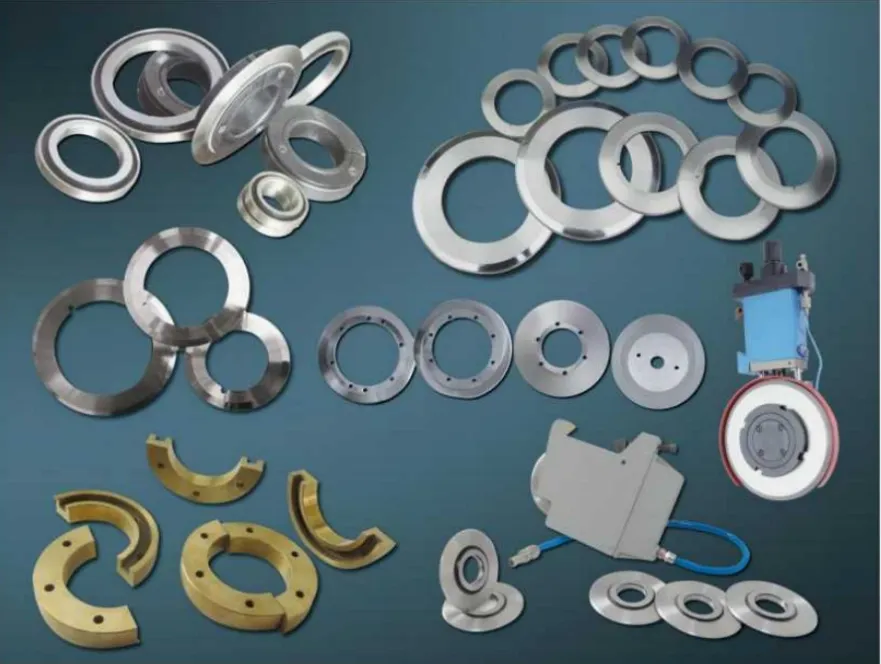
Plastics processing punishes a one-blade-fits-all approach. Polyethylene film, rigid acrylic sheet, PVC profiles and glass-reinforced composites behave nothing alike at the cutting edge, and a blade that sings through one will chip, melt or stall on the next. Choosing a blade by the plastic type - not just by machine size - is the difference between clean cuts and a scrap bin full of rejects.
This guide breaks plastics into their working families and explains what each one asks of blade design, blade material and cutting conditions.
Soft plastics: controlling heat and friction
Polyethylene, polypropylene, PVC and similar soft plastics soften and melt quickly when friction builds at the cutting edge. Blades for these materials are designed to cut with minimum heat: fewer teeth or a continuous edge, a thinner kerf, and generous clearance so chips cannot clog the cut. Sharpness is essential - a dulled edge rubs rather than shears, and rubbing is what turns soft plastic into smeared, welded edges.
Hard and brittle plastics: support and fine edges
Polycarbonate, acrylic, polystyrene and similar materials crack and chip instead of deforming. They reward blades with fine tooth geometries that provide support right up to the moment of separation: more teeth, small chip loads, and edge sharpness held to a high standard. The blade body matters as much as the teeth - deflection in a thin or worn blade produces the micro-cracks that later become visible failures.
Composites and reinforced plastics
Glass-fibre and other reinforced materials are abrasive, so wear resistance moves to the front of the specification. Tool steels such as D2 and carbide-tipped edges are common choices where glass or mineral fillers are present, and cutting parameters are usually set conservatively - the material cost of edge failure on a reinforced profile is high.
Blade material follows the application
Across plastic cutting, three material families cover most work: alloy tool steels for general slitting and sheeting, high-speed steels where edge retention at speed matters, and tungsten carbide where wear resistance or precision demands it. The right choice balances cut quality requirements against blade cost over the production run, not just the cost of the blade itself.
In plastics, the blade is a temperature control device as much as a cutting tool - manage friction and most other problems take care of themselves.
Practical habits that protect cut quality
Three habits pay back quickly in plastics processing. Test a new blade specification on sample material before committing a production runs; keep a sharp spare blade staged at each machine so a change happens the moment quality drifts; and inspect blades for chips at every change, because a single chipped tooth on a soft-plastic line scribes a defect into every metre that follows.
Specifying blades for plastic processing
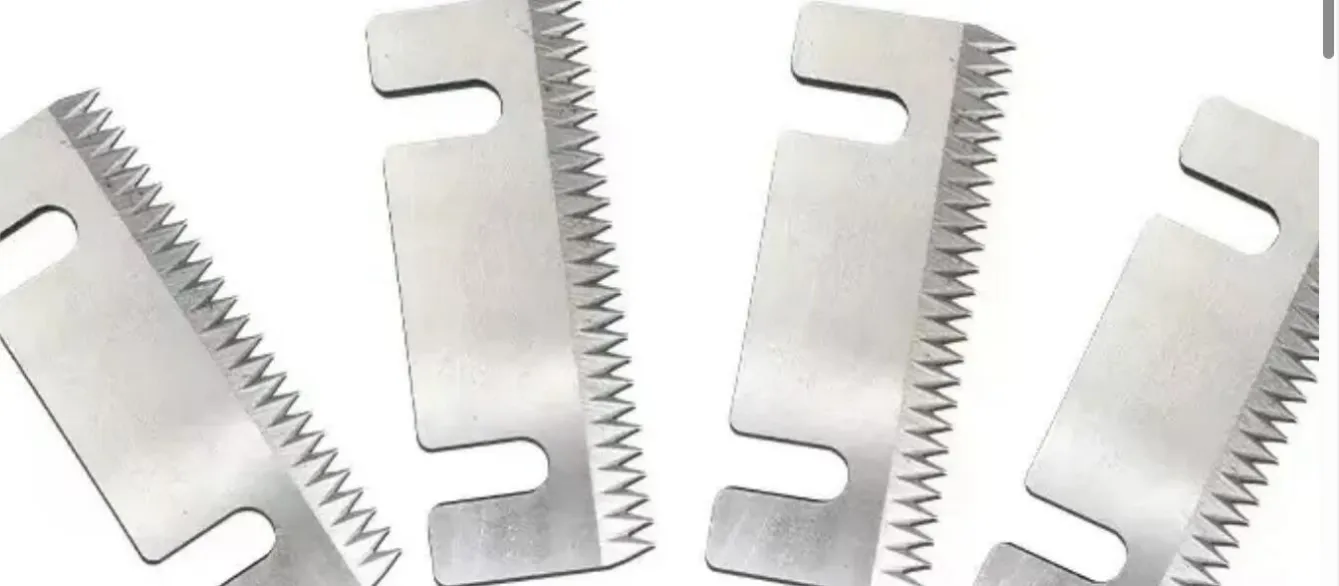
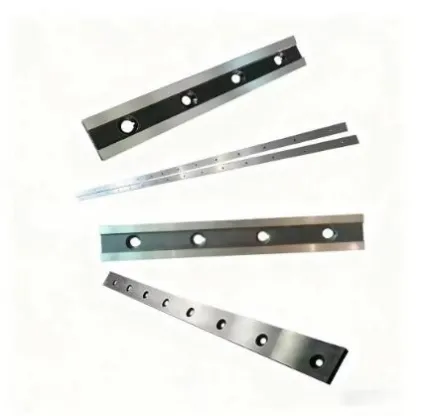
Send the plastic type and form (film, sheet, profile), the thickness range, the machine and cutting method, and your current blade drawing or sample. ZHONGJIAN TECH produces circular slitter blades, sheeting knives and industrial cutting blades in D2, HSS and carbide options, sized to your machine. Contact ferrytk898@gmail.com and we will confirm a specification for your material.