Aug 19, 2026
Why the Right Diamond Blade Matters (H2)
Why the Right Diamond Blade Matters (H2)
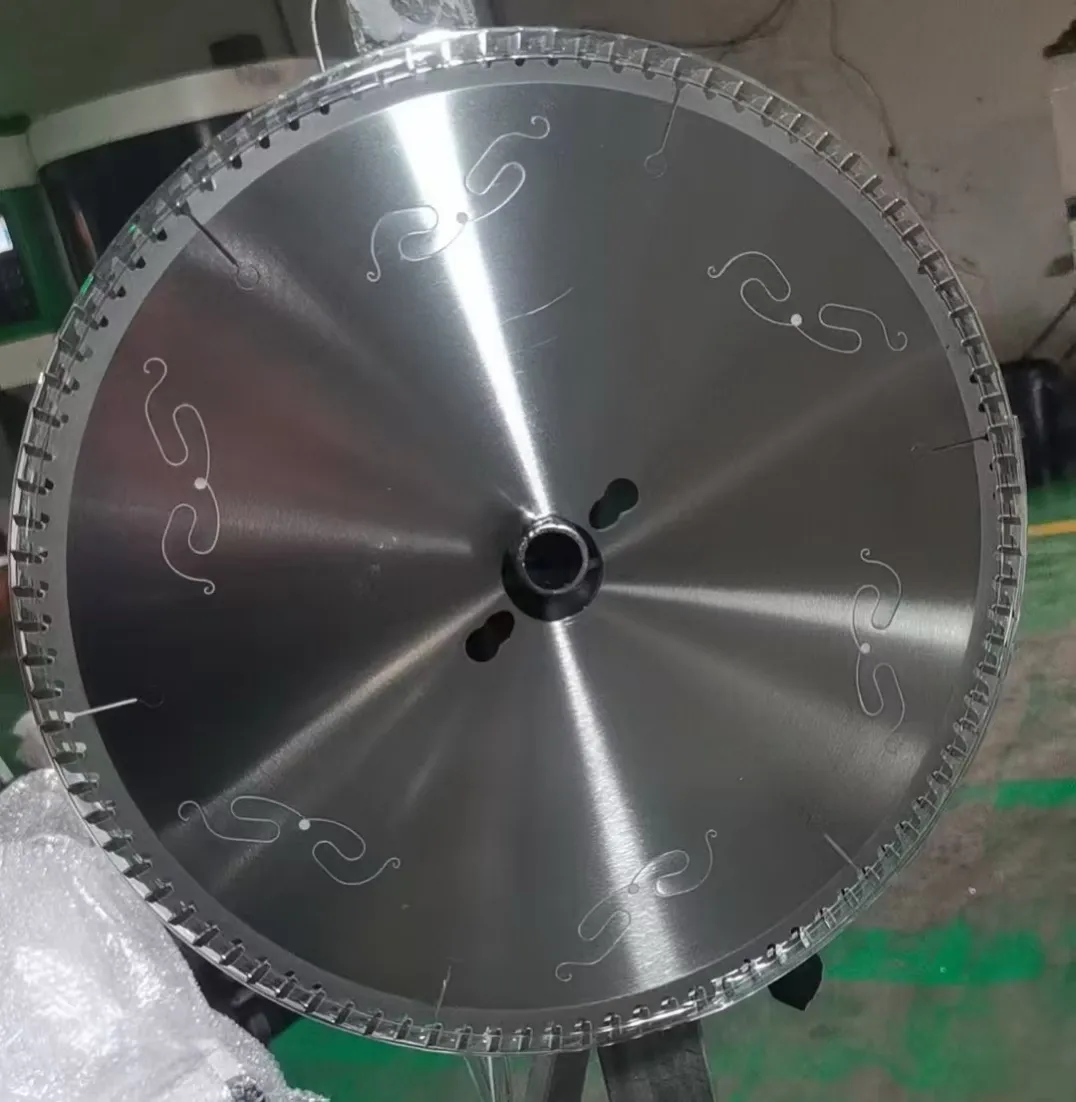
Achieving a flawless, mirror-like finish on granite requires more than just skill—it requires the right equipment. Whether you are a professional stone fabricator, a contractor, or managing a high-volume stone workshop, selecting the best diamond blades for granite cutting is the secret to efficiency and precision.
In the world of stone fabrication, the blade you choose dictates the quality of the cut, the speed of the project, and the lifespan of your power tools. This guide will walk you through everything you need to know about selecting high-performance diamond blades to ensure clean, chip-free results every time.
- Why the Right Diamond Blade Matters (H2) Granite is one of the hardest natural stones used in construction. Using an inferior blade doesn’t just result in poor aesthetics; it can lead to: Edge Chipping: Ruining expensive slabs with jagged edges. Overheating: Shortening the life of your angle grinder or bridge saw. Increased Labor Costs: Slower cutting speeds mean fewer jobs completed per day. At FerryCrown, we understand that a professional-grade diamond blade is an investment in your craftsmanship.
- Key Factors to Consider When Choosing a Blade (H2) Before purchasing, you must match the blade to your specific application. Here are the three most critical factors: A. Wet vs. Dry Cutting Wet Cutting: Ideal for bridge saws and stationary machines. Water acts as a coolant and dust suppressant, allowing for the cleanest cuts and longest blade life. Dry Cutting: Best for hand-held angle grinders on job sites where water isn't accessible. These blades feature a heat-resistant bond to handle high friction. B. Blade Rim Types Continuous Rim: Best for ultra-smooth, chip-free finishes on granite and marble. Segmented Rim: Offers the fastest cutting speed by allowing debris to escape quickly, ideal for thick granite slabs. Turbo Rim: A hybrid design that combines the speed of segmented blades with the smoothness of continuous rims. C. Tool Compatibility Ensure the blade’s RPM rating matches your equipment—whether it’s a high-speed bridge saw or a portable stone cutter.
- Top-Rated Diamond Blades for Granite (H2) (Note: You can link these to specific FerryCrown products) The Professional Bridge Saw Blade: Engineered with high-concentration diamond segments for industrial-scale granite fabrication. The Super-Thin Turbo Blade: The go-to choice for intricate manual cuts and minimizing material waste. Silent Core Diamond Blades: Designed to reduce noise pollution in the workshop while maintaining high-speed cutting performance.
- Expert Tips for Maximizing Blade Life (H2) To get the most out of your FerryCrown diamond tools, follow these professional tips: Don’t Force the Cut: Let the diamond segments do the work. Applying too much pressure can glaze the diamonds or overheat the core. Proper Cooling: When wet cutting, ensure a consistent water flow to both sides of the blade. Dress the Blade: If the blade becomes dull, cut through a dressing stone or abrasive firebrick to expose fresh diamond grit.
- Conclusion: Elevate Your Craftsmanship with FerryCrown (H2) Selecting the best diamond blade for granite cutting is about balancing speed, precision, and durability. By choosing the right tool for your specific material and machine, you reduce costs and deliver superior results to your clients.